
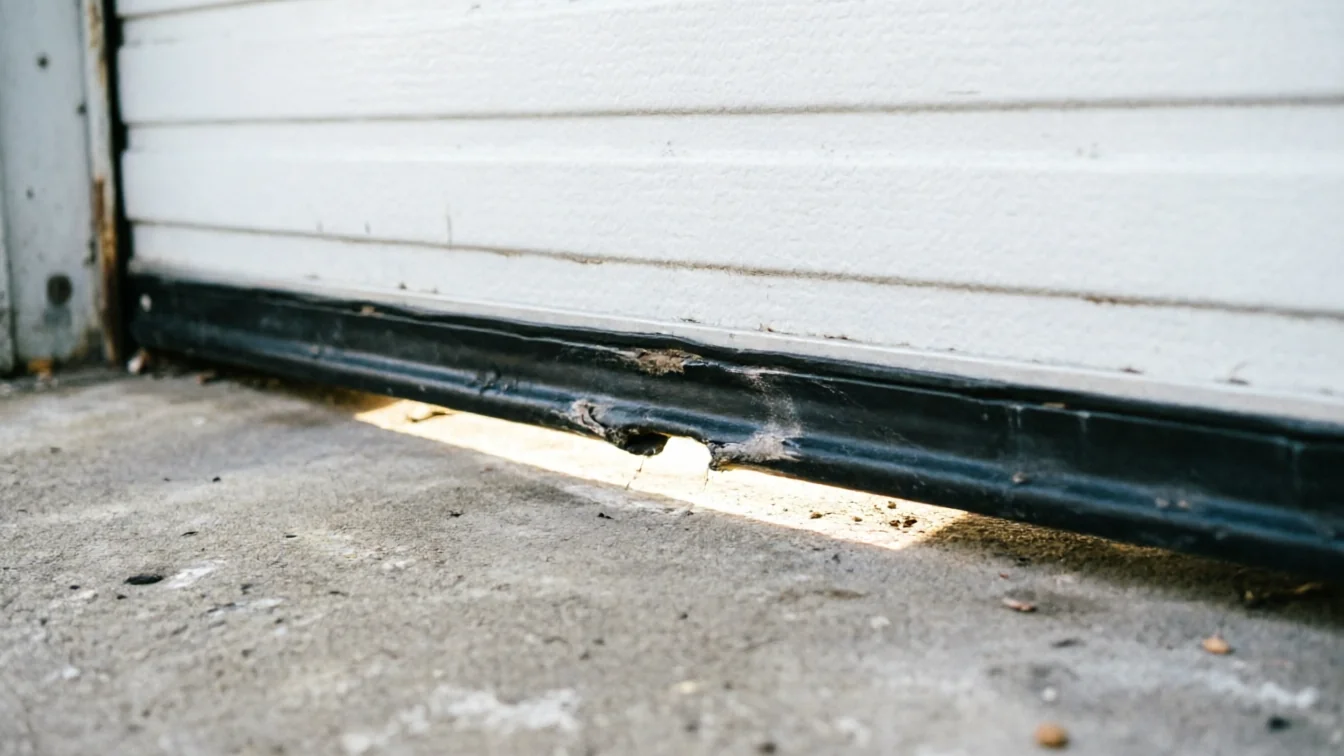
Why Your Garage Door Leaks Air in Clearwater, FL
Clearwater homes built 1958-2005 lose heat through worn seals and draughts around garage doors-here's what actually helps in this mild coastal climate.
Read moreBlogClearwater, FL · 4 min read
Clearwater homes built 1958-2005 often have doors with no thermal break. Here's what that means for comfort, cost, and upkeep in our mild coastal climate.
Local detail
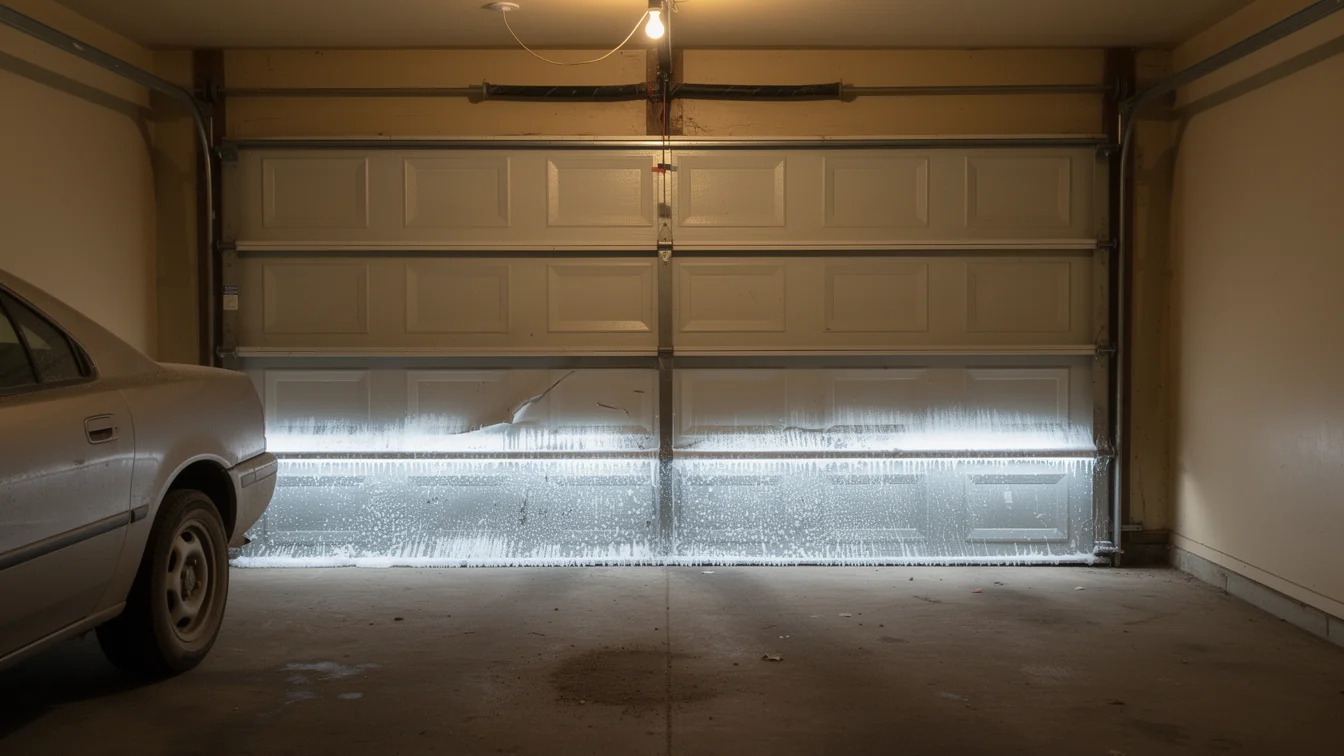
Clearwater sits in a mild temperate band, so you're not dealing with the freeze-thaw cycle that splits weatherstripping in a single winter or the kind of swing that warps a steel skin overnight. That's the good news. The less obvious part is that mild doesn't mean dry. Humidity here stays elevated most of the year, and a door built without a thermal break doesn't resist that moisture the way a newer, insulated panel does. In summer, an uninsulated door turns the garage into a holding tank for heat that seeps into the house through the shared wall. In the rainy months, condensation forms on the inside face of a bare steel panel the same way it beads on a cold glass. Nothing here is dramatic. It's steady, year-round wear on hardware and a steady drag on comfort, not a single bad storm that breaks something. If your door was installed when your house was built, odds are it's never had to deal with a code that required it to hold a line against any of this.
The area
We can't quote a number without knowing your door, so we won't invent one here. What we can tell you is what actually drives the cost on a pre-insulation-era door: whether the track width matches anything still in production, whether the panel has to be special-ordered because the original profile is long discontinued, and whether you're patching a single-layer steel door or replacing it with an insulated one. Patching buys time. Replacing a door built in the 1960s or 70s with a modern insulated unit usually costs more up front than another round of hardware repair, but it's the only option that actually changes how the garage performs in our climate. The honest answer is that we'd rather look at your specific door and tell you which category it falls into than give you a figure that doesn't apply to your house.
What we find
Most of the housing stock across our service area went up between 1958 and 2005, with the median landing around 1979, and the bulk of it across the 31 communities we cover - from Belleair four miles out to Cheval nineteen miles north - is 1960s and 70s construction. That matters because insulation requirements for garage doors came later than that. A door from that era is almost always a single layer of steel with no thermal break and no vapor barrier behind it. It wasn't a defect when it was installed; it just predates the standard. The practical effect now is a door that transmits heat, sweats on the inside in humid stretches, and relies on hardware - springs, rollers, tracks - that's had four or five decades to wear down, sometimes with no upgrade in between. None of this is unique to one house. It's the default condition for a huge share of what's out there.
How we work
With Clearwater Beach four miles west and Belleair Beach five miles south, this area sits close enough to the Gulf that the air carries more moisture than you'd find further inland, even without a single storm involved. On an insulated door, that moisture mostly stays outside. On an uninsulated steel panel from 1979, it condenses on the inside face, drips onto the floor, and over years that moisture works on the bottom seal, the track brackets, and anything metal it touches. The mild temperate climate means you're spared the freeze damage that shortens a door's life up north, but it trades that for a slow, humidity-driven wear pattern that shows up as rust at the hinges and a bottom seal that never quite stays sealed. It's not urgent the way a cracked panel is urgent. It's the kind of thing that gets worse every year you don't look at it.
Questions
If it was installed when your house was built - which for a lot of homes here means the 1960s or 70s - the hardware has likely had decades of wear, and parts for that original door may no longer be made. We'd rather inspect it and tell you honestly whether repair or replacement makes more sense than guess over the phone.
Not the way freezing weather does further north. Our mild temperate climate spares you cracked seals from hard freezes, but the steady humidity, especially this close to the Gulf, works on uninsulated steel doors over time through condensation and rust at the hardware.
If your door is original to a house built before insulation requirements existed, which covers a lot of the stock in this area, it's a single layer of steel with no thermal break. It absorbs and transmits heat straight into the garage and often into the house beyond it.
Recommendation
More garage door guides for Clearwater homeowners.
Clearwater homes built 1958-2005 lose heat through worn seals and draughts around garage doors-here's what actually helps in this mild coastal climate.
Read more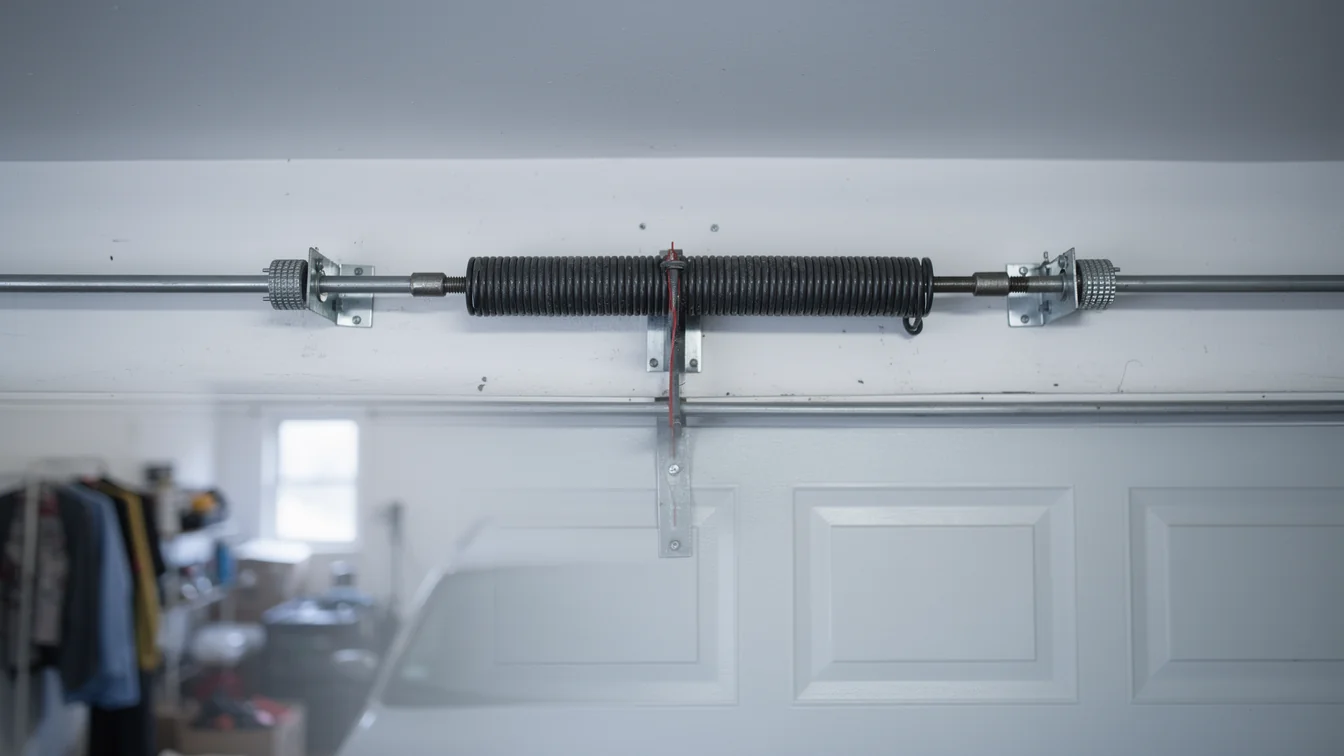
A look at how Clearwater's housing stock, mild climate, and coastal air affect garage door springs, tracks, and openers - and what actually drives repair cost here.
Read more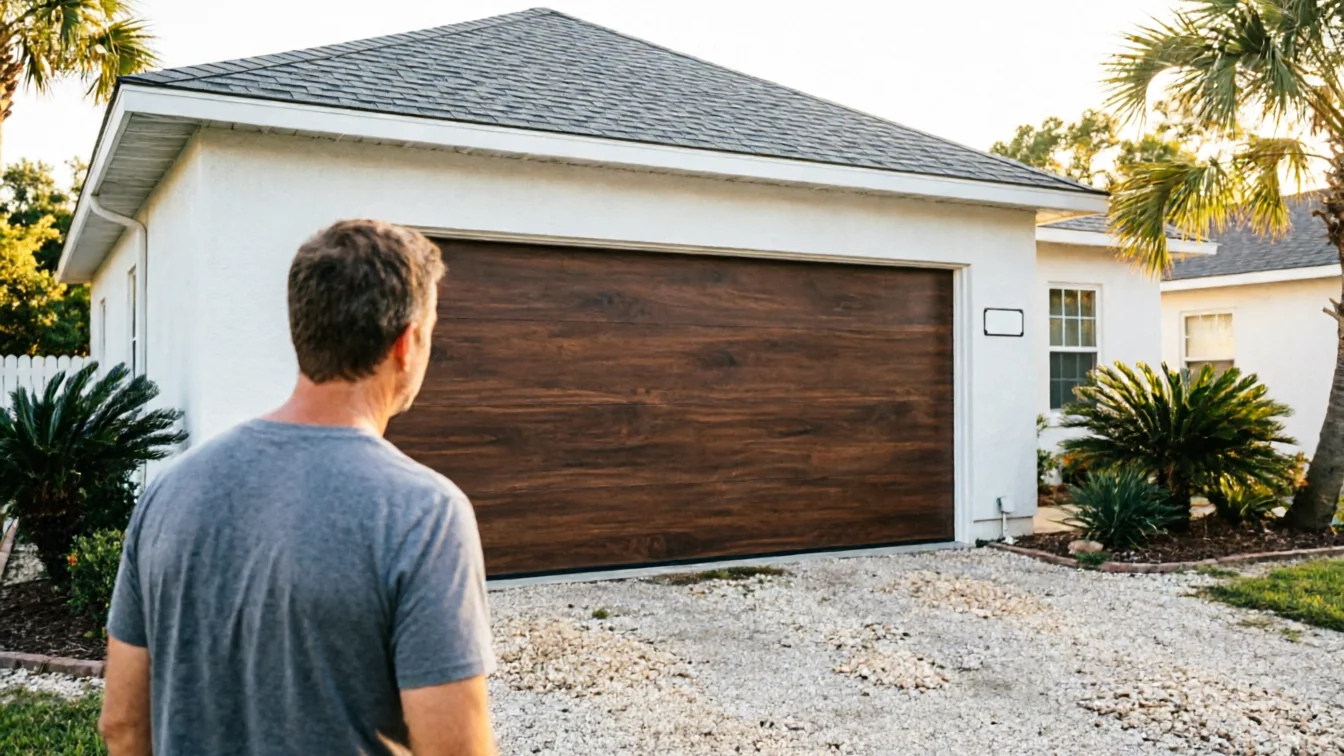
What replacing a garage door actually involves in Clearwater, where most houses date to 1958-2005 and the climate stays mild temperate year-round, with no price guesses attached.
Read moreReady when you are
Clearwater Garage Door Pros repairs and installs garage doors, springs and openers in Clearwater, FL and the surrounding area.