
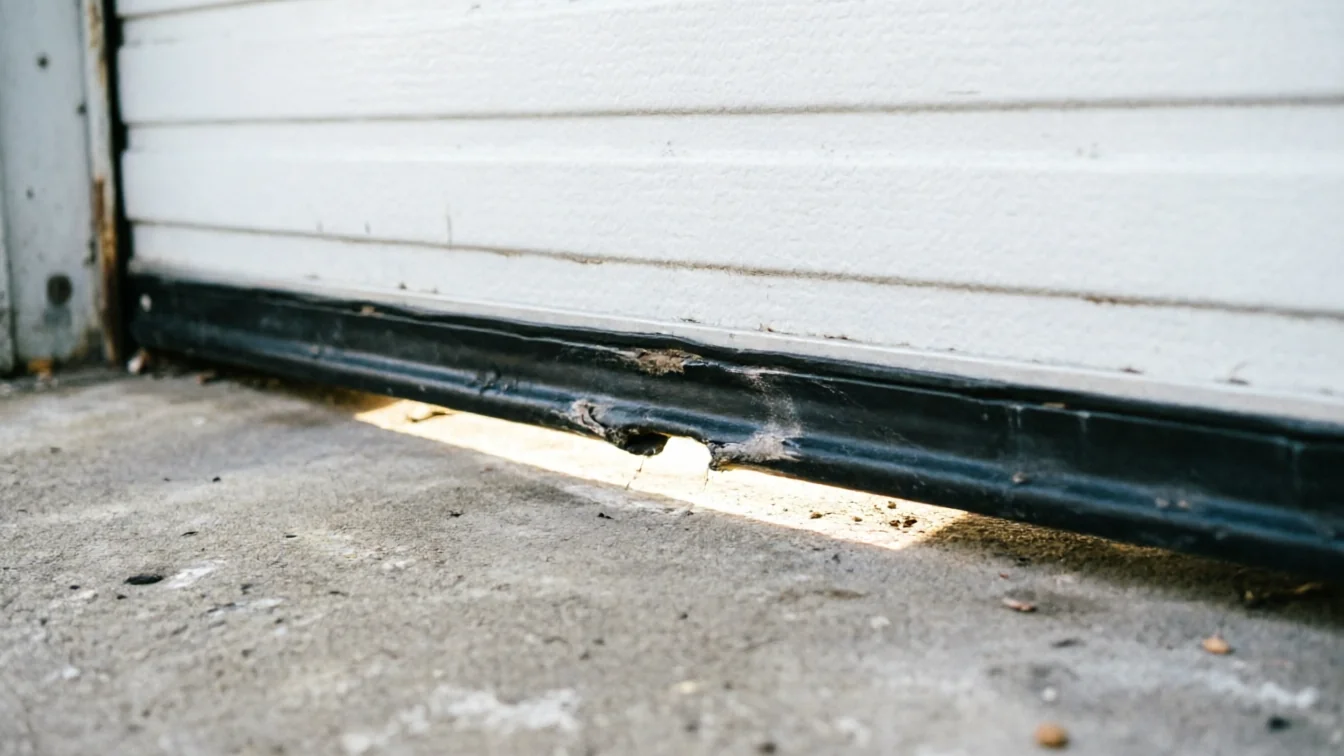
Why Your Garage Door Leaks Air in Clearwater, FL
Clearwater homes built 1958-2005 lose heat through worn seals and draughts around garage doors-here's what actually helps in this mild coastal climate.
Read moreBlogClearwater, FL · 5 min read
Clearwater homes built 1958-2005 face off-track doors from aging hardware and coastal air, not winter freeze. See what causes it and what to check first.
Local detail
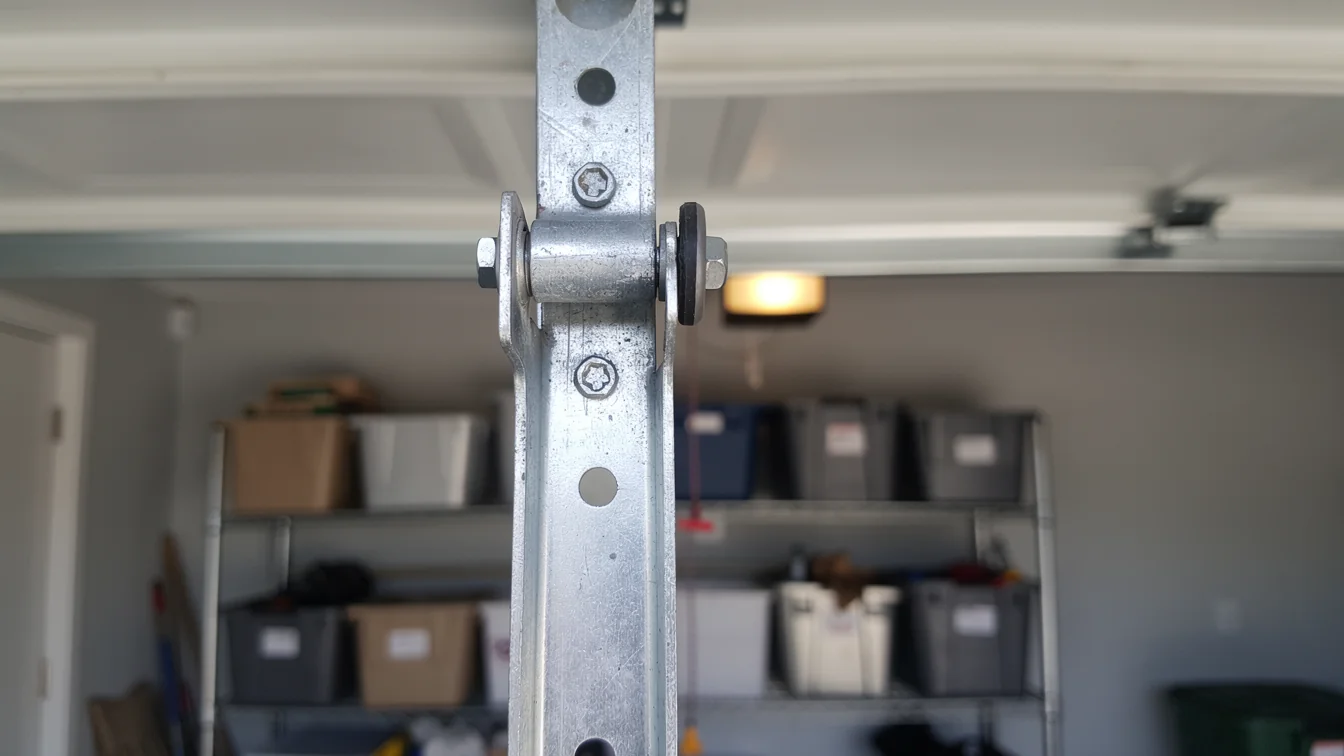
Clearwater sits in a mild temperate band, so you don't get the hard freeze-thaw cycle that stresses brackets and warps track in colder parts of the country. That's actually good news for the metal itself. What you do get is a steady year-round load on hinges, rollers, and track fasteners from a climate that never gives hardware a cold, dry break. In a lot of colder markets, a door jumps track in January when frozen grease seizes a roller and the opener forces it sideways. That's not the pattern here. In Clearwater, off-track problems don't cluster around a season the way they would up north - they build slowly, month after month, as fasteners loosen and brackets corrode at roughly the same rate from spring through fall. If your door is suddenly riding rough or catching at the same spot on the track, it's rarely a one-day event tied to a cold snap. It's more likely a bracket that's been working loose for a while, or a roller that wore out of round gradually. That slow-build pattern means regular visual checks of the track bolts matter more here than seasonal tune-ups timed around winter.
The area
We can't quote a number without seeing the door, so we won't guess one here. What we can tell you is what drives the cost up or down. A door that's simply jumped track with the rail and rollers otherwise sound is a bracket and alignment job - the least expensive outcome. A lot of houses in this service area were built between 1958 and 2005, with the bulk going up in the 1960s and 1970s, and many of those still carry original steel track and roller hardware that's well past a normal service life. On those doors, pushing the panel back onto a worn track often buys you a few weeks before it happens again, because the rollers themselves are out of round or the track is bent, not just knocked loose. That turns a cheap fix into a track-and-roller replacement, and sometimes a full hardware upgrade if the brackets are also rusted through. The honest answer is that the age of your track and rollers matters more to the final bill than the brand of door or the size of the opening. If your hardware is original to a house from that era, budget for replacement parts, not just a realignment.
What we find
We work across 31 named areas in this part of Pinellas County, from Belleair four miles out to Trinity sixteen miles north, and the housing stock tells a consistent story: most of it went up between 1958 and 2005, with a heavy concentration in the 1960s and 1970s. That matters for track problems specifically, because garage door hardware from that era was built to a different spec than what's sold today. Track widths, bracket spacing, and roller stem lengths have all shifted over the decades, so when a bracket finally gives out on a house from the 1960s or 70s, a generic hardware-store replacement bracket sometimes doesn't line up cleanly with the original track. That's the situation we run into most: not a dramatic failure, but an older system where one worn part throws off the alignment of parts around it. With 98,911 owner-occupied houses across this service area, a large share of them sitting in that same build window, off-track calls here skew toward age-related wear on original hardware rather than installation mistakes or storm damage.
How we work
Clearwater's mild temperate climate means the track itself doesn't fight expansion and contraction the way it would somewhere with real winters. But this area sits close to the Gulf - Clearwater Beach is four miles west, Belleair Beach five, Indian Rocks Beach seven - and that proximity brings salt-carrying air well inland, not just to the waterfront streets. Salt air speeds up corrosion on the galvanized coating of track brackets and roller shafts, and once that coating is compromised, rust takes hold faster here than it would in a dry inland climate. A rusted bracket flexes under the door's weight instead of holding the track rigid, and that flex is what lets a roller walk out of the track over time. It's a slow process, which is exactly why it gets missed - nobody notices a bracket losing half a millimeter of rigidity a month. By the time the door audibly catches or jumps, the corrosion has usually been working for a long while. This is the main reason we tell owners in this area to look at bracket condition, not just roller condition, when a door starts riding rough.
Questions
Usually it's a roller or bracket on that side that's worn enough to let the panel ride slightly off center. In houses from the 1960s and 70s, which make up a lot of this area's stock, that hardware is original and has had decades to wear unevenly. Once one roller is out of round, the door pulls toward that side every time it cycles.
You can, and sometimes it holds for a while, but if the rollers or track are actually worn rather than just knocked loose, it will happen again soon. Pushing it back doesn't fix the underlying wear - it just resets the symptom. If it's jumped more than once, the rollers likely need replacing, not realigning.
Yes. Gulf-carried salt air travels well past the immediate waterfront, and it speeds up corrosion on galvanized brackets and roller shafts anywhere in this service area. Corroded brackets flex under load instead of holding the track steady, which is a common root cause of a door walking off its track over time.
If the track is bent or the brackets are rusted through, repair is usually a short-term patch. On a door with original 1960s or 70s hardware, replacing the track and rollers together tends to be the more durable call than trying to realign worn parts one at a time.
Recommendation
More garage door guides for Clearwater homeowners.
Clearwater homes built 1958-2005 lose heat through worn seals and draughts around garage doors-here's what actually helps in this mild coastal climate.
Read more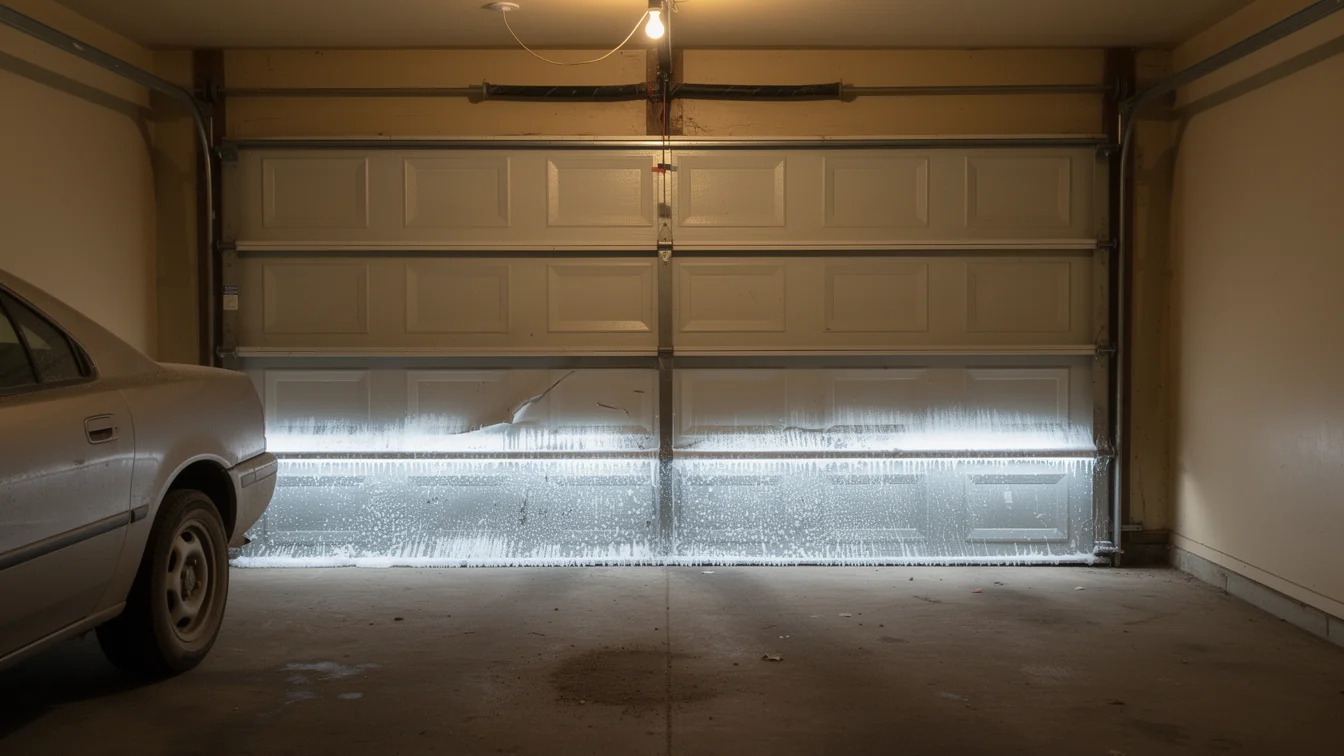
Clearwater homes built 1958-2005 often have doors with no thermal break.
Read more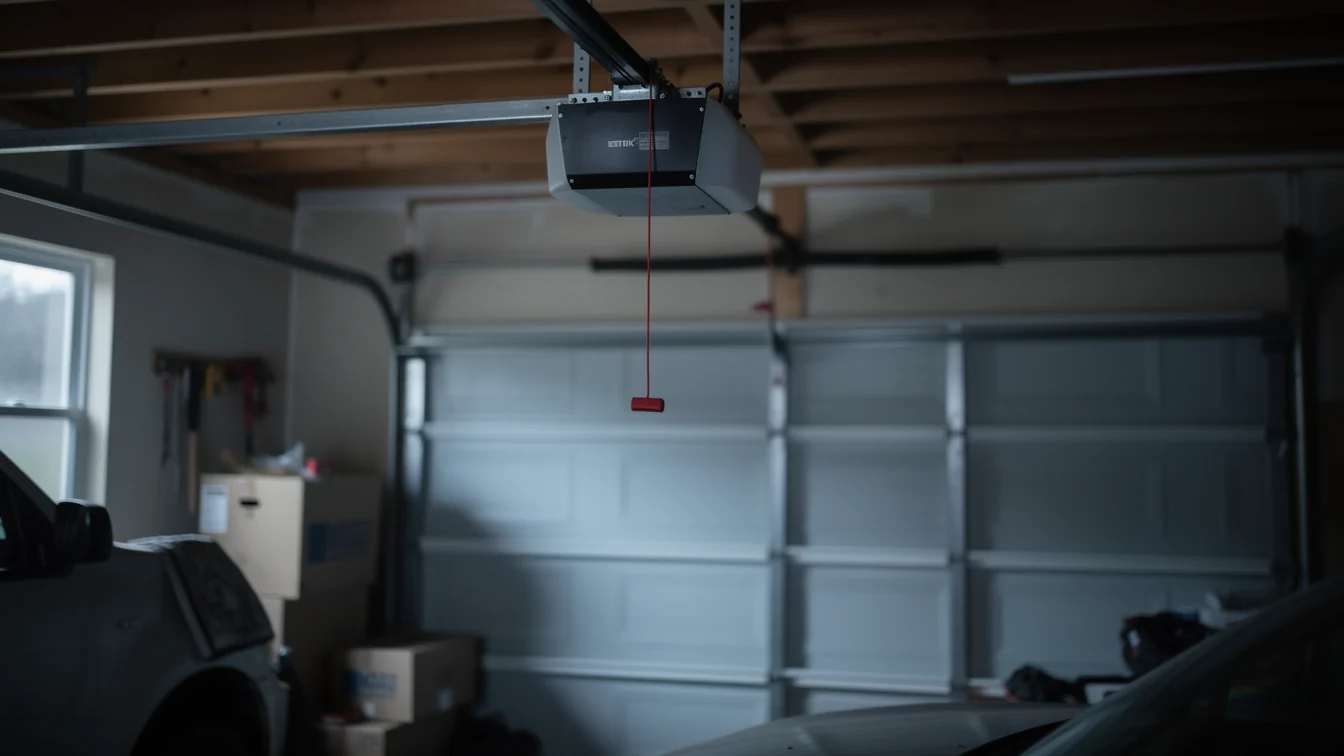
A look at how Clearwater's housing stock, mild climate, and coastal salt air affect garage door openers and what happens to them when the power drops.
Read moreReady when you are
Clearwater Garage Door Pros repairs and installs garage doors, springs and openers in Clearwater, FL and the surrounding area.