
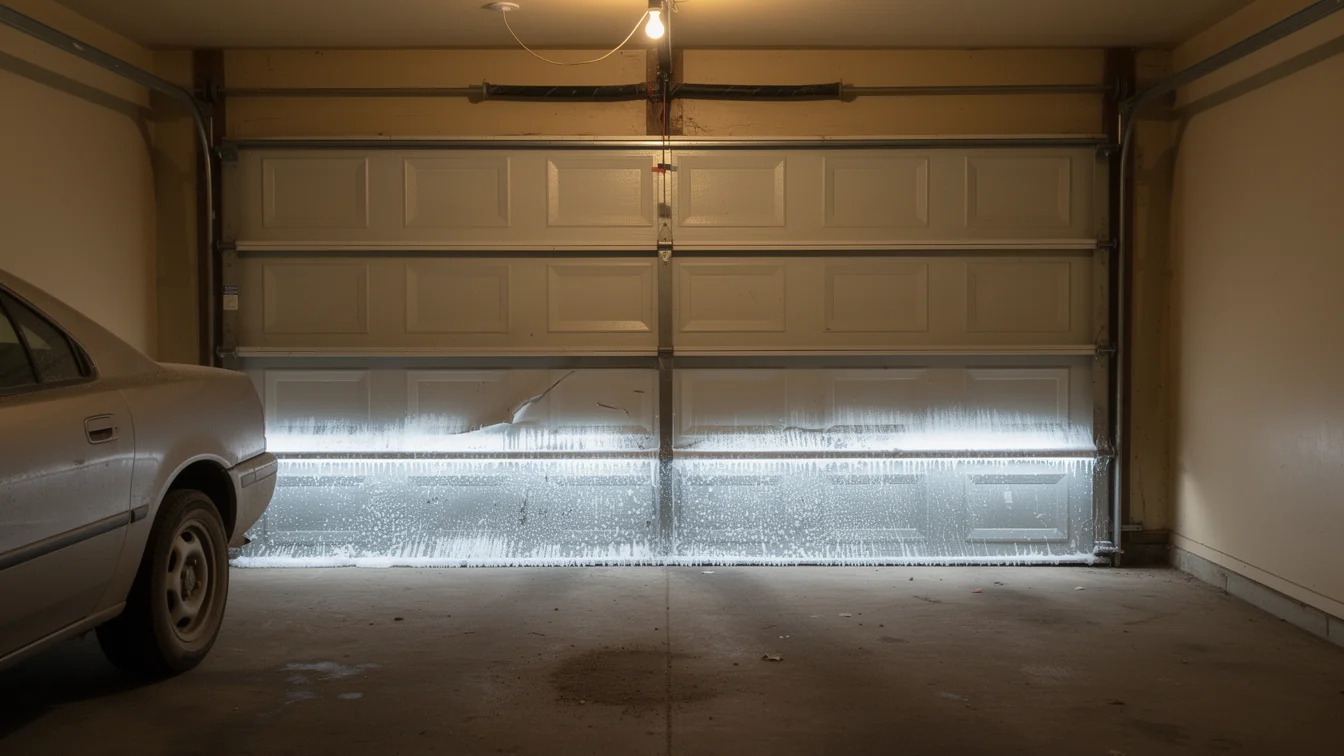
Doors on Houses Built Before Insulation Rules Existed
Clearwater homes built 1958-2005 often have doors with no thermal break.
Read moreBlogClearwater, FL · 4 min read
Clearwater homes built 1958-2005 lose heat through worn seals and draughts around garage doors-here's what actually helps in this mild coastal climate.
Local detail
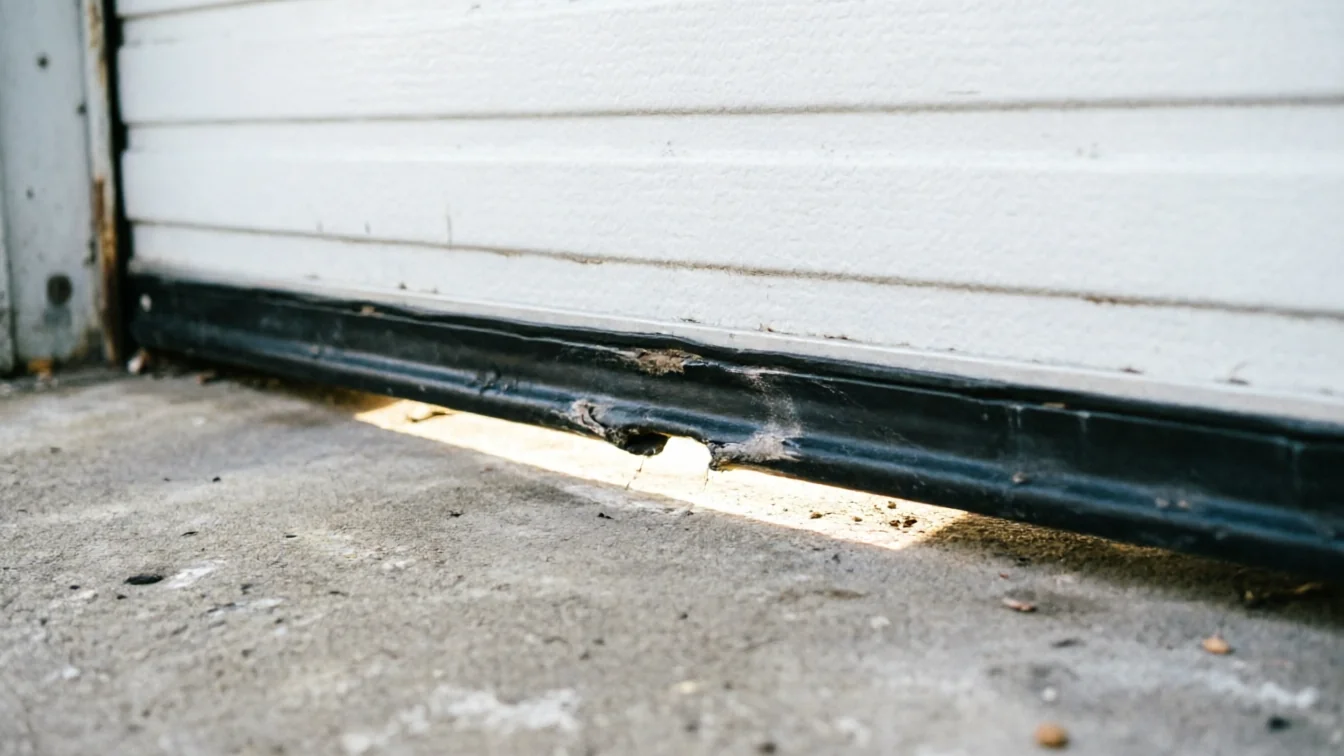
This is a mild temperate climate, not one with hard freezes or deep snow, so the seal on your garage door doesn't go through the sharp expand-and-crack cycle that ruins rubber up north. What it does go through is sustained warmth and humidity for most of the year, with the sun doing the real damage. A door facing west, closer to Clearwater Beach and the open water four miles out, spends its afternoons absorbing direct heat that softens and then dries out the vinyl bottom seal faster than shade-side doors a few blocks over. There isn't a hard freeze season here to watch for, so the maintenance rhythm is different than what a homeowner who grew up somewhere colder might expect. The failure point is gradual - a seal that looked fine in spring is cracked and letting draughts through by late summer, not because of one storm but because of months of UV and heat cycling. Checking the bottom seal and the side weatherstrip twice a year, rather than waiting for a visible gap, catches most of this before it turns into a draft you can feel standing in the garage.
The area
We don't post a flat number here because the right fix depends on what's actually wrong - a worn bottom seal is a different job than weatherstrip that's pulled loose from aluminum track installed decades ago, and the parts fit differently depending on the door's age. With a median household income of $84,220 across the service area, most owners we talk to choose to reseal a door that's otherwise sound rather than replace the whole unit, and that's usually the right call if the panels and track are in decent shape. Where it gets more expensive is when the track itself has warped or the stop molding around the frame has rotted - at that point you're not buying a seal, you're buying carpentry plus a seal, and that's worth knowing before you call expecting a quick fix. The honest limitation: if your door was installed before the 1980s, matching weatherstrip to the original track profile sometimes means a longer wait on parts than a newer door would need, because the channel dimensions aren't standard anymore.
What we find
Housing across this service area runs from 1958 up through 2005, with the median landing around 1979, and most of the 31 named areas we work in are dominated by 1960s and 70s construction. That matters for seals specifically because the garage doors installed on houses from that era used track and jamb dimensions that don't match what a hardware store sells off the shelf today. A door from 1968 and a door from 1998 in the same subdivision can need completely different weatherstrip profiles, even if they look similar from the driveway. On the older end of that range, a lot of original doors are still in service with their original side seals, which by now have outlived any reasonable expectation for rubber in a hot garage. The situation isn't uniform - newer construction toward the later end of that 1958-2005 window usually has tighter-fitting doors and less of a draft problem - but across the bulk of the stock, which skews 60s and 70s, gaps around the door are common enough that we treat it as the default rather than the exception when we're called out.
How we work
Without a freeze-thaw cycle, the usual way weatherstrip fails elsewhere - cracking from ice expansion - isn't the main threat in a mild temperate climate like this one. Instead it's steady heat and UV breaking down the rubber and vinyl from the outside in, which shows up as brittleness and hairline cracking rather than a sudden split. Doors closer to the coast, within a few miles of Clearwater Beach, take more of this because the sun exposure is more consistent and the materials never get a real cold snap to slow the breakdown. The draft you feel isn't usually one big gap - it's a dozen small ones along a bottom seal that's gone stiff, plus a side seal that's shrunk just enough to pull away from the jamb. None of that is dramatic, which is exactly why it gets ignored until the energy bill or the dust on the garage floor makes it obvious.
Questions
In this mild climate, seals fail from sun and heat exposure rather than cracking from cold, so the vinyl or rubber goes stiff and shrinks slightly before it visibly splits. By the time you can see daylight around the edge, the seal has usually been letting air through for months without an obvious sign.
Yes. Housing in this service area was mostly built between 1958 and 2005, with a lot of it from the 1960s and 70s, and the track and jamb dimensions from that era often don't match current off-the-shelf weatherstrip sizes, so the right seal depends on when your door and track were installed.
If the panels and track are sound, resealing is almost always the better move, and it's what most owners here choose. Replacement only makes sense once the track has warped or the frame around the door has rotted - at that point you're paying for more than a seal anyway.
Recommendation
More garage door guides for Clearwater homeowners.
Clearwater homes built 1958-2005 often have doors with no thermal break.
Read more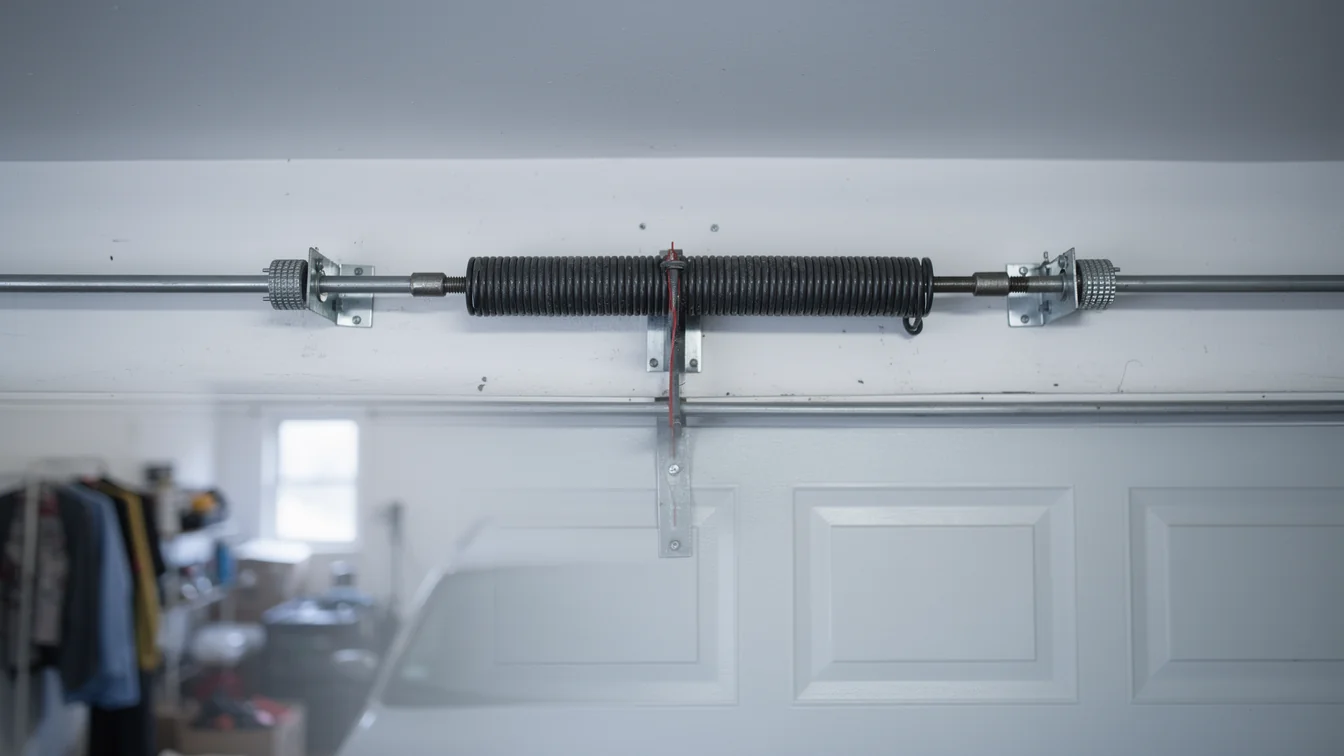
A look at how Clearwater's housing stock, mild climate, and coastal air affect garage door springs, tracks, and openers - and what actually drives repair cost here.
Read more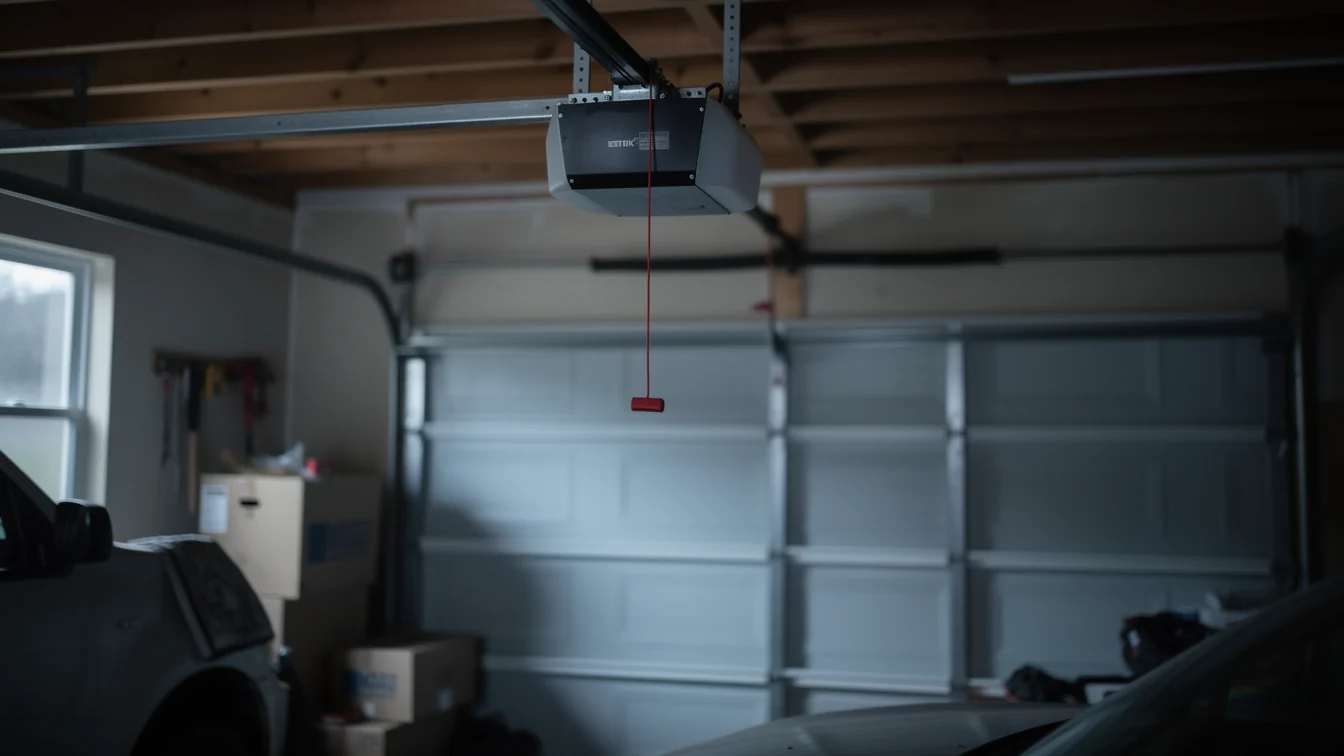
A look at how Clearwater's housing stock, mild climate, and coastal salt air affect garage door openers and what happens to them when the power drops.
Read moreReady when you are
Clearwater Garage Door Pros repairs and installs garage doors, springs and openers in Clearwater, FL and the surrounding area.