
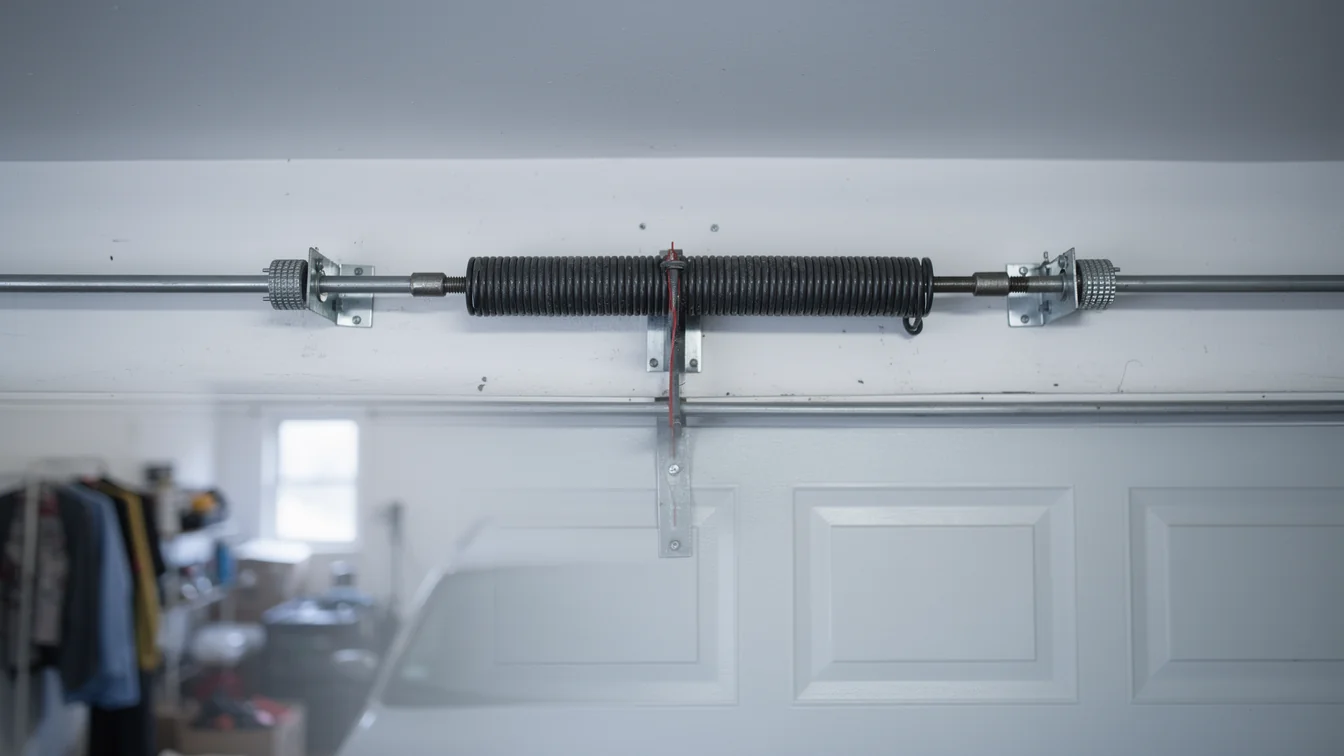
How Clearwater's Houses and Weather Treat a Garage Door Spring
A look at how Clearwater's housing stock, mild climate, and coastal air affect garage door springs, tracks, and openers - and what actually drives repair cost here.
Read moreBlogClearwater, FL · 4 min read
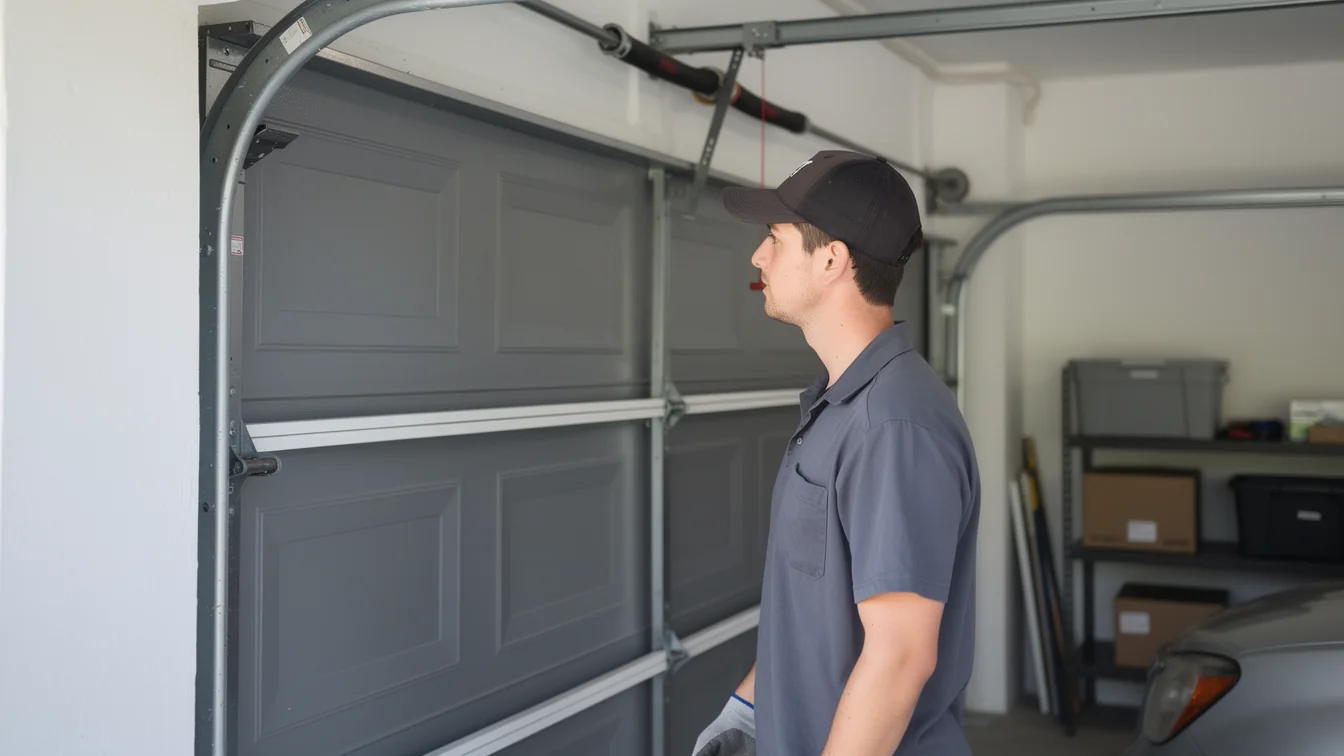
A grinding, popping, or slapping garage door in Clearwater usually points to age-specific wear from the area's 1960s-70s housing stock. Here's what each sound means and what it costs.
Local detail
Clearwater sits in a mild temperate band, so you don't get the freeze-thaw cycle that cracks springs and seizes rollers up north. That's the good news. The less obvious news is that a door here runs almost year-round without the forced rest a harsh winter gives a system elsewhere. Rollers and hinges wear from cycle count, not cold, so the grinding you hear in August is the same wear you'd hear in February - there's no seasonal lull where problems announce themselves on a schedule. What does shift through the year is how a loose or worn part sounds. A door that pops once a cycle in cooler months can start slapping or banging once daytime heat expands metal tracks and hardware slightly, which is often when a homeowner finally calls. If your door has been quietly getting noisier for months, don't wait for a specific season to act on it - in this climate there isn't one that fixes itself.
The area
We don't post a flat number here because the fix depends entirely on what's making the noise and how old the hardware is. A worn roller or a hinge that needs a drop of oil and a tighten is a small job. A torsion spring on a door installed when the house was built - and a lot of Clearwater houses went up between 1958 and 2005, with the bulk of the stock from the 1960s and 70s - can mean sourcing parts for hardware that isn't made the way it used to be. Older one-piece doors and their original track hardware sometimes need a full replacement part swapped for a modern equivalent rather than a like-for-like fix, and that changes the number. We'll tell you on the call or at the door what you're actually looking at before any work starts, and if a repair isn't worth it against a full door or opener replacement, we'll say so rather than patch something that'll be back on our schedule in six months.
What we find
Across the 31 named areas we work in, most garage doors are tied to a build era, not a brand. Housing here runs from 1958 to 2005 with a median year of 1979, and the bulk of it clusters in the 1960s and 70s. That means a lot of doors and openers installed when those houses were built, or a first replacement installed a decade or two later - both generations old enough that the springs, cables, and pulley systems are nearing or past their rated cycle life. A squeal on lift usually means a dry or worn roller. A deep thunk partway through the cycle often means a spring losing tension unevenly. A rattle that travels the length of the track is loose hardware working itself free - common on original track brackets that have never been re-torqued. None of these mean the same thing on a door installed last year, which is why we ask the install date before we ask about the noise.
How we work
A mild temperate climate is easy on garage doors in the ways that make headlines - no ice jamming a track, no subzero snap freezing a spring mid-lift. It's harder on them in a quieter way: without a cold season to slow things down, a door in this climate logs more open-close cycles per year than the same door somewhere with a real winter, and cycle count is what actually wears out springs, rollers, and cables. So the noise you're hearing isn't weather damage in the way a cracked panel from a hard freeze would be - it's ordinary mechanical wear that's had more opportunities to happen. That's worth knowing because it means waiting for 'storm season' to get it looked at doesn't buy you anything. The wear is happening on the mild days too.
Questions
Usually, yes. A single sharp bang partway through the lift is a common sign of a torsion spring losing tension or failing outright, especially on original hardware from the 1960s-70s housing stock common across Clearwater. It can also be a loose bracket. We'd want to see it before guessing further.
Heat expansion. Tracks and hardware shift slightly as metal warms through the day, which can turn a minor looseness into an audible rattle or slap by afternoon. It's not damage from the heat itself, just the existing wear becoming more noticeable as parts move.
Not really - it needs different attention. You skip freeze-related failures, but a door here cycles more often year-round since there's no cold season slowing use down. More cycles means rollers, cables, and springs reach the end of their life on a similar timeline, just from use rather than weather.
A door and opener from that era is well past typical spring and roller life, even if it still opens. We'd rather inspect it and tell you honestly whether a repair makes sense or whether you're better off replacing the unit outright, especially since original parts for that generation of hardware aren't always easy to source.
Recommendation
More garage door guides for Clearwater homeowners.
A look at how Clearwater's housing stock, mild climate, and coastal air affect garage door springs, tracks, and openers - and what actually drives repair cost here.
Read more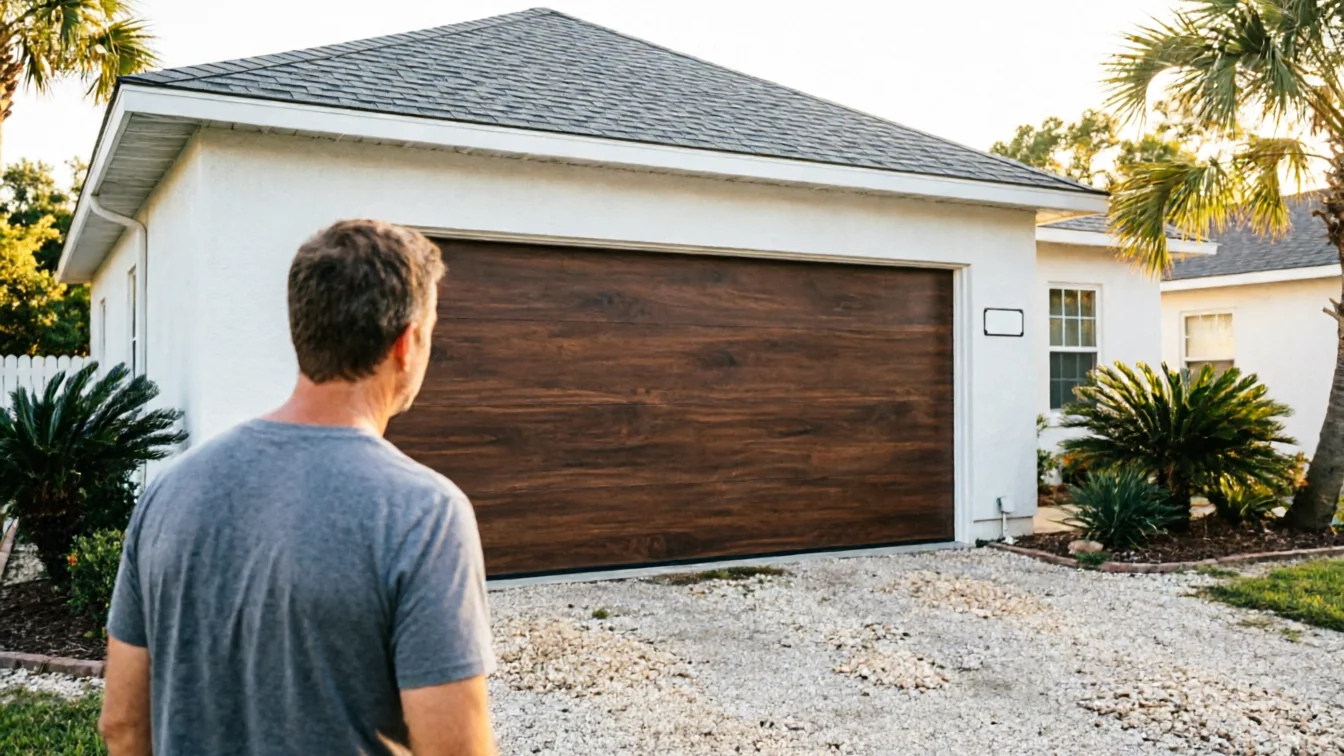
What replacing a garage door actually involves in Clearwater, where most houses date to 1958-2005 and the climate stays mild temperate year-round, with no price guesses attached.
Read more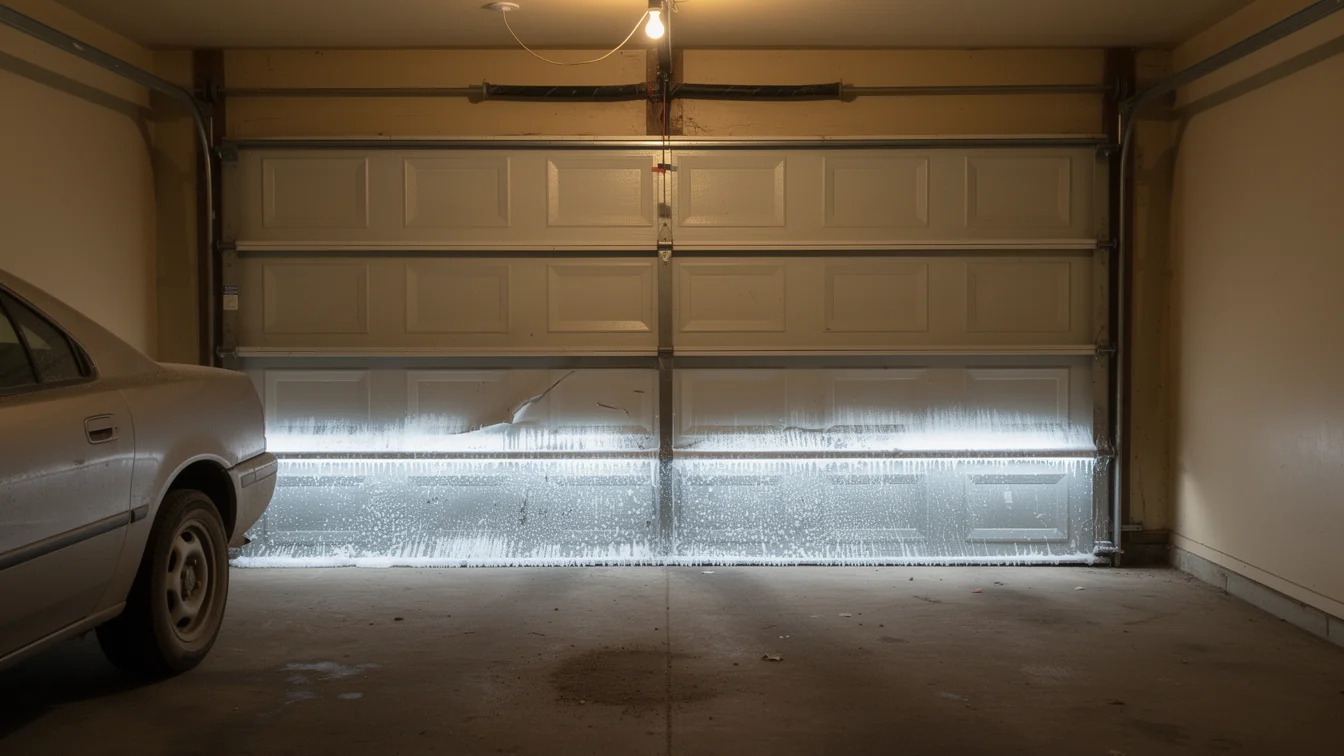
Clearwater homes built 1958-2005 often have doors with no thermal break.
Read moreReady when you are
Clearwater Garage Door Pros repairs and installs garage doors, springs and openers in Clearwater, FL and the surrounding area.