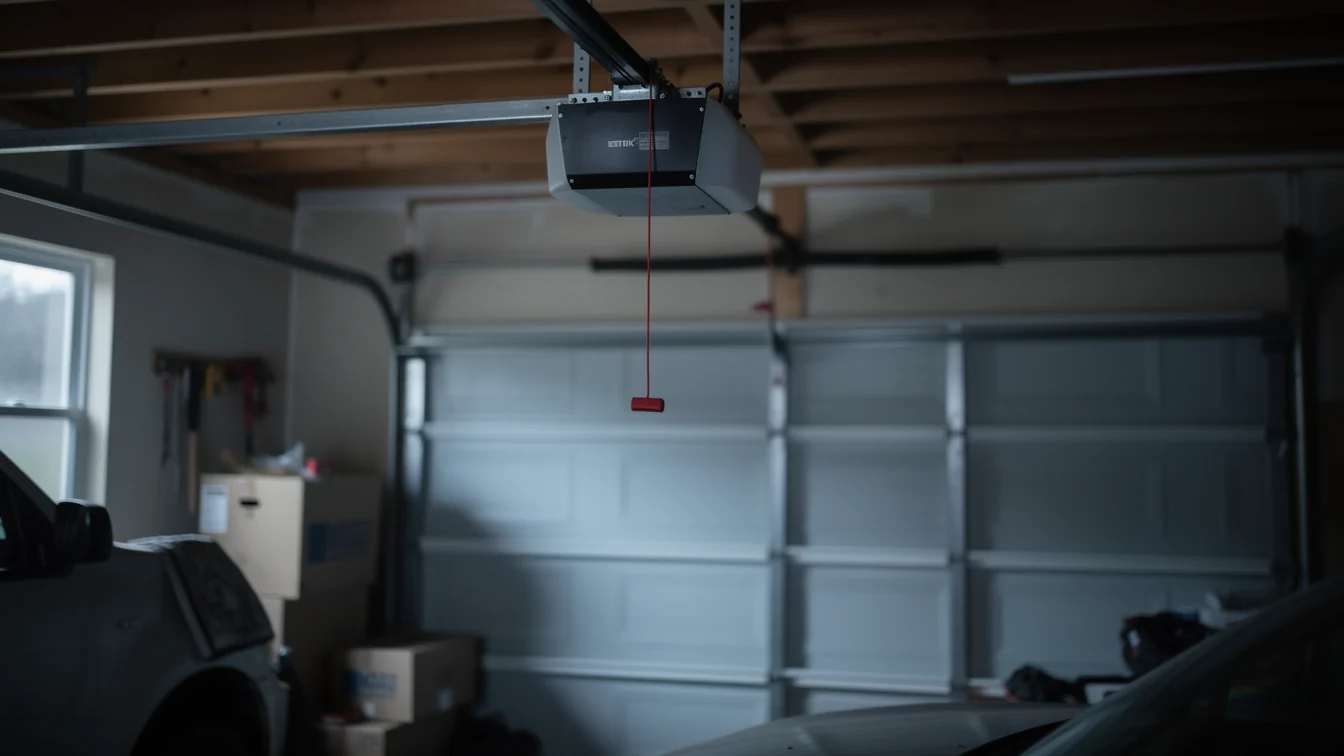
Openers and Power Cuts in Clearwater Garages
A look at how Clearwater's housing stock, mild climate, and coastal salt air affect garage door openers and what happens to them when the power drops.
Read moreBlogClearwater, FL · 4 min read
A look at how Clearwater's housing stock, mild climate, and coastal air affect garage door springs, tracks, and openers - and what actually drives repair cost here.
Local detail
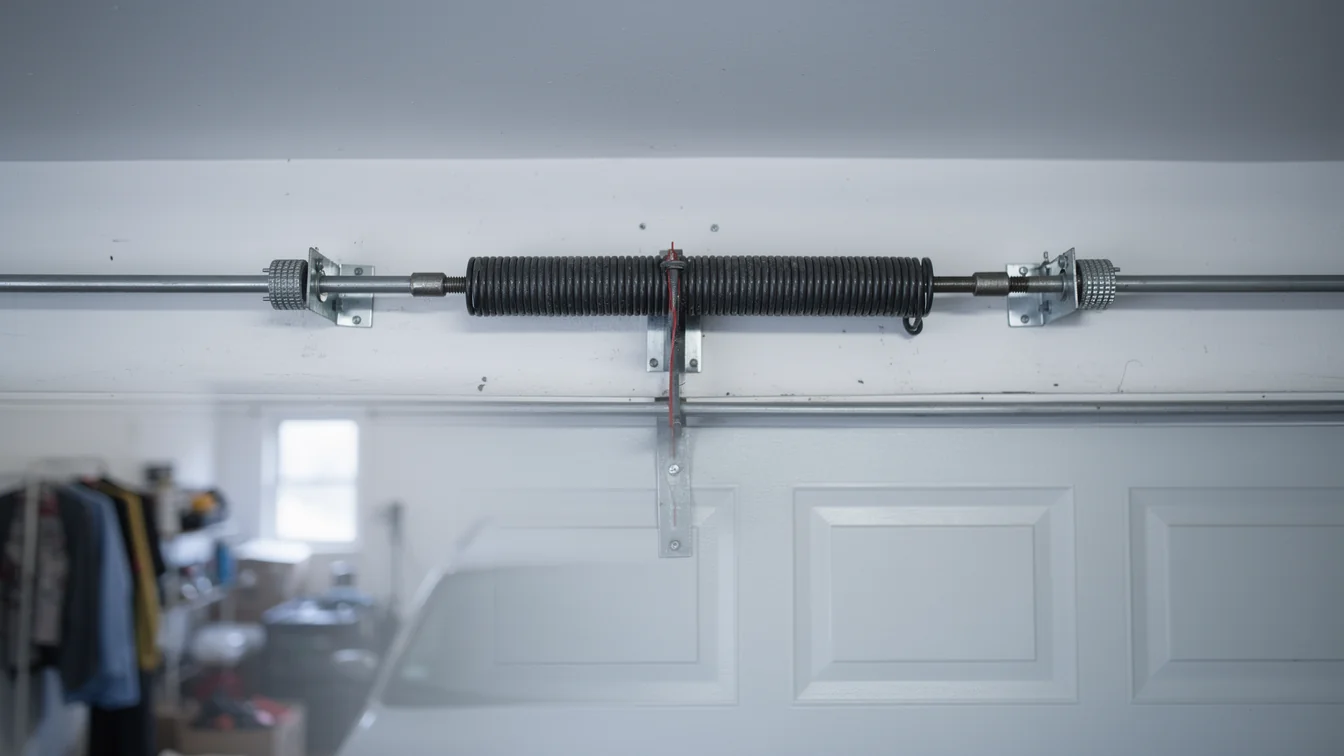
Clearwater sits in a mild temperate band, so you don't get the hard freeze-thaw cycle that snaps springs on schedule the way it does up north. That doesn't mean the spring is safe year-round. The stress on a torsion spring comes from temperature swings, not just cold, and this area gets humid, salt-heavy air most of the year with the occasional sharp cold snap pushing overnight lows down fast. A spring that's been quietly fatiguing in the heat and salt all summer is the one that finally lets go the first cold morning it has to work harder to lift a door that's gotten stiffer overnight. We don't see the brutal winter breakage spikes some regions do, but we do see a bump whenever a cold front comes through, because that's when a spring already near the end of its coil count gets the extra load that tips it over. If your door has been getting noisy or slow to open over the past few months, don't wait for the cold snap to find out how close it is.
The area
We don't have a price list to hand you here, and we're not going to make one up. What drives the cost of a spring job in this area is mostly the age and type of hardware already on the house. A lot of Clearwater homes were built between 1958 and 2005, with the bulk of the stock dating to the 1960s and '70s, and those doors often still run original torsion or extension setups that don't match parts sold today. Matching an old spring size and wind direction, or replacing a whole worn track system instead of just the spring, takes longer and costs more than swapping a standard modern torsion spring. A straightforward single-spring swap on newer hardware is a different job than pulling apart a 1970s extension-spring setup that's been painted over twice. Until someone's looked at your specific door, torsion versus extension, drum size, cable condition, any number we gave you would be a guess dressed up as a quote. That's the honest limitation here: we price after we see the door, not before.
What we find
A big share of the houses in this part of Florida, across the 31 named communities in our service area, were built in that same 1958 to 2005 window, with most clustered in the 1960s and '70s. That matters for springs specifically because those decades of garage doors were built heavier, with steel panels and simpler torsion or extension hardware that was never designed to be maintenance-free for fifty years. A lot of those original springs are still on the door, just older, more fatigued, and carrying a heavier door than anything built today. With 98,911 owner-occupied houses across roughly 219,513 households in this market, that's a lot of original 1970s-era hardware still quietly doing its job until one cold morning it doesn't. Add a median household income of $84,220 and you get a lot of homeowners who can afford to fix it right rather than patch it, but plenty still wait until the door won't open at all before calling.
How we work
Being four miles from Belleair and about four miles from Clearwater Beach itself means a lot of homes here sit close enough to the Gulf to pick up salt air on a regular basis, even without a storm. That salt works into spring coils and cable ends over years, speeding up corrosion in metal that's already decades old on a lot of these 1960s-70s doors. Combine that with the mild temperate swings this area sees and you get a slow, steady fatigue process rather than a sudden freeze failure. Then a cold snap rolls through, temperatures drop faster than the metal is used to, and a spring that's been thinning out from salt exposure for years finally breaks on that one cold morning instead of a hot one. It's not the cold alone doing the damage. It's corrosion plus temperature swing on hardware that was installed before anyone on the street was thinking about garage door maintenance.
Questions
It's not about deep cold, it's about the sudden swing. Metal that's been fatigued by salt air and years of use contracts a little when temperatures drop fast, and that's often enough stress to finish off a spring that was already near the end of its life. The cold snap is the trigger, not the cause.
On a lot of homes in this area, yes. Houses here were mostly built in the 1960s and '70s, and many still have their original torsion or extension hardware. If the spring has never been replaced, it's likely decades past the manufacturer's cycle rating regardless of how it looks.
Not honestly. Spring jobs vary a lot depending on whether you've got original extension hardware from the '60s or '70s versus a newer torsion setup, and we'd rather see the door than guess. We quote after a look, not before.
It's worth checking more often. Homes closer to the water pick up more salt in the air, and that speeds up corrosion on spring coils and cable ends. If you're within a few miles of the Gulf, an annual look at the hardware is worth the time.
Recommendation
More garage door guides for Clearwater homeowners.
A look at how Clearwater's housing stock, mild climate, and coastal salt air affect garage door openers and what happens to them when the power drops.
Read more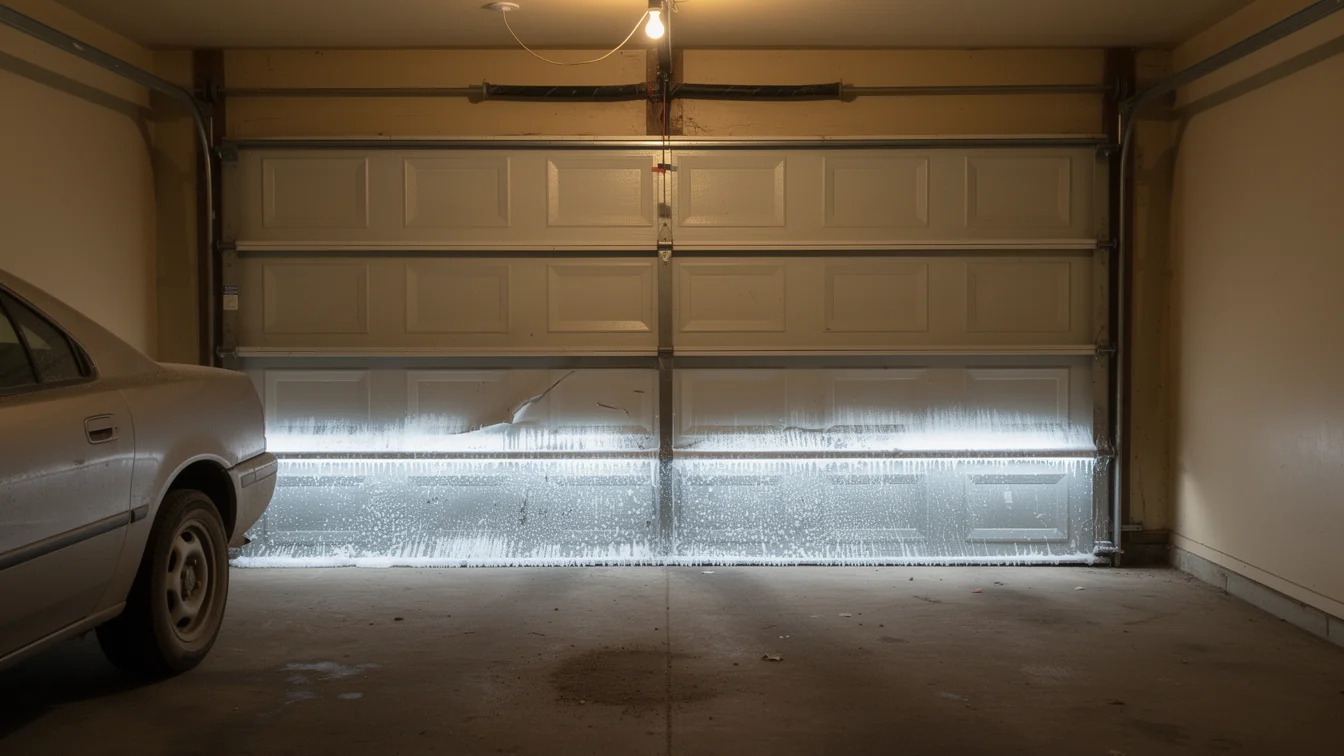
Clearwater homes built 1958-2005 often have doors with no thermal break.
Read more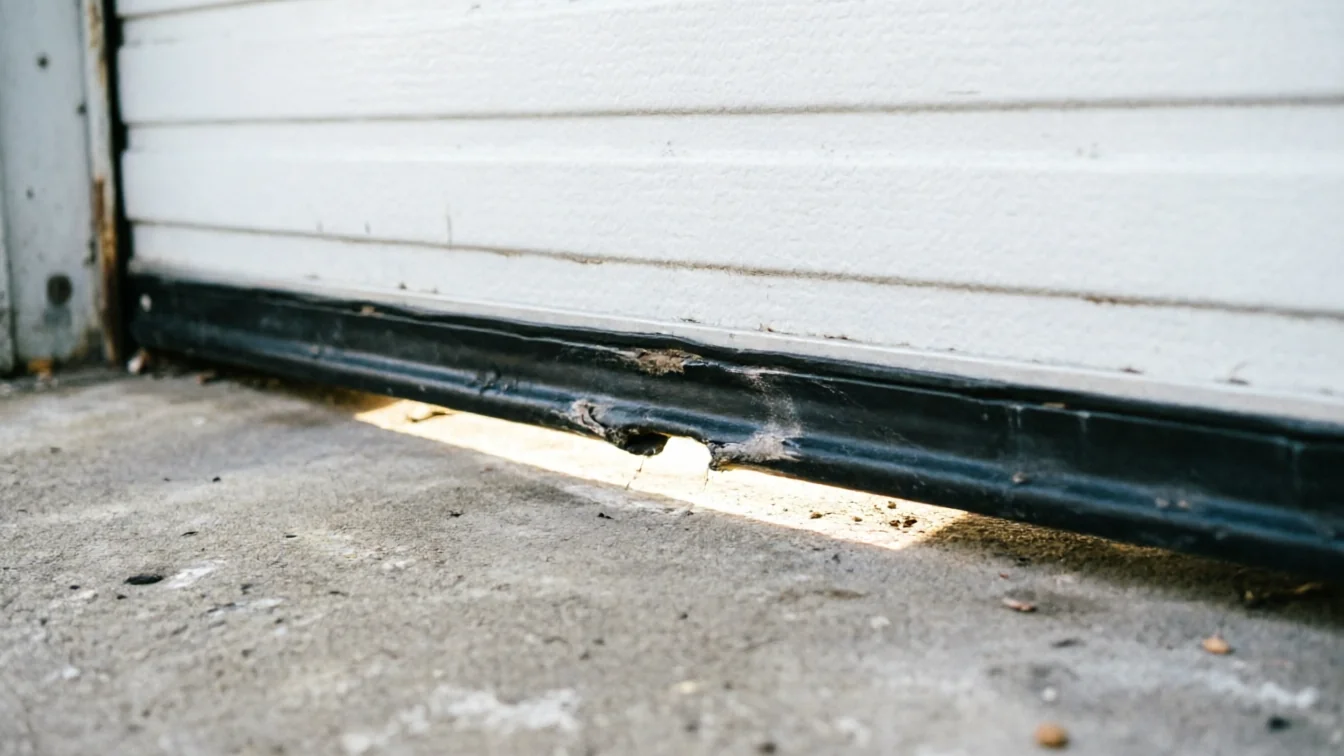
Clearwater homes built 1958-2005 lose heat through worn seals and draughts around garage doors-here's what actually helps in this mild coastal climate.
Read moreReady when you are
Clearwater Garage Door Pros repairs and installs garage doors, springs and openers in Clearwater, FL and the surrounding area.