
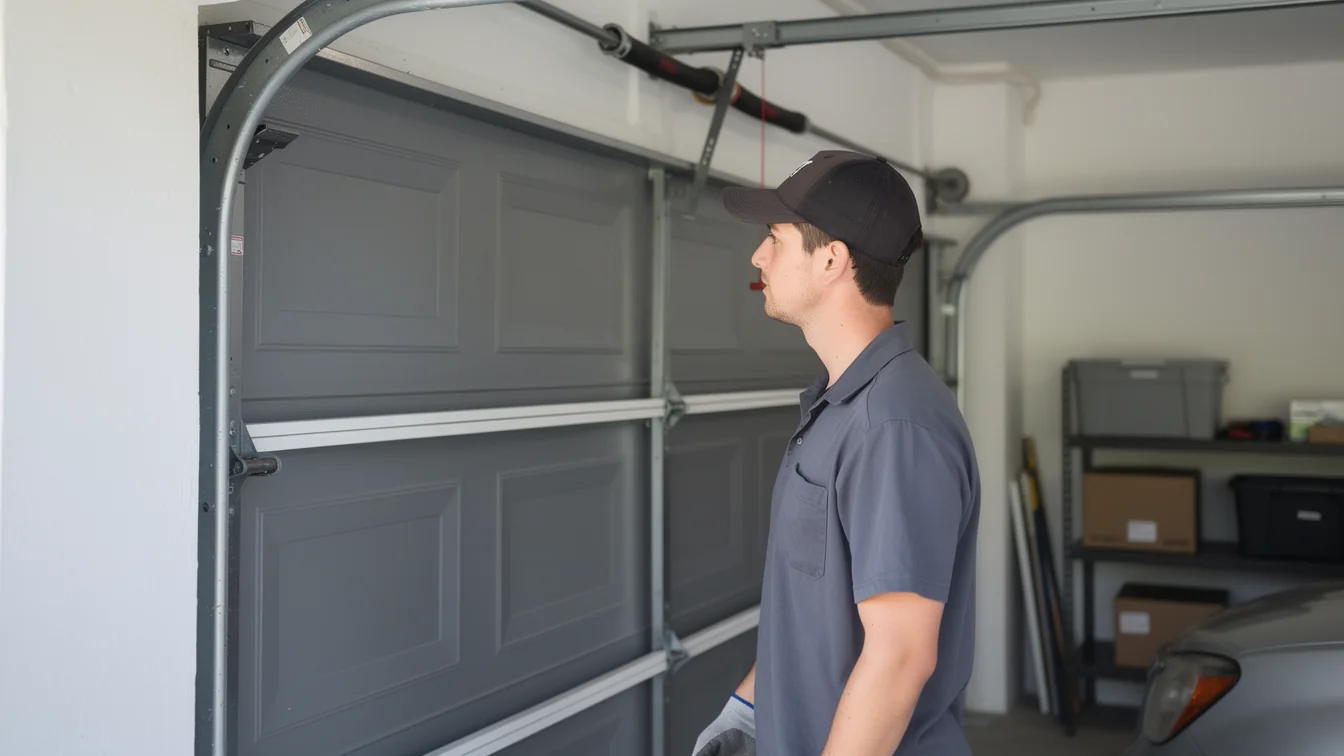
What That Noise Actually Means
A grinding, popping, or slapping garage door in Clearwater usually points to age-specific wear from the area's 1960s-70s housing stock.
Read moreBlogClearwater, FL · 4 min read
A plain breakdown of what we check, test, and quote on a Clearwater service call, and why 1960s-70s hardware behind so many doors here changes the job.
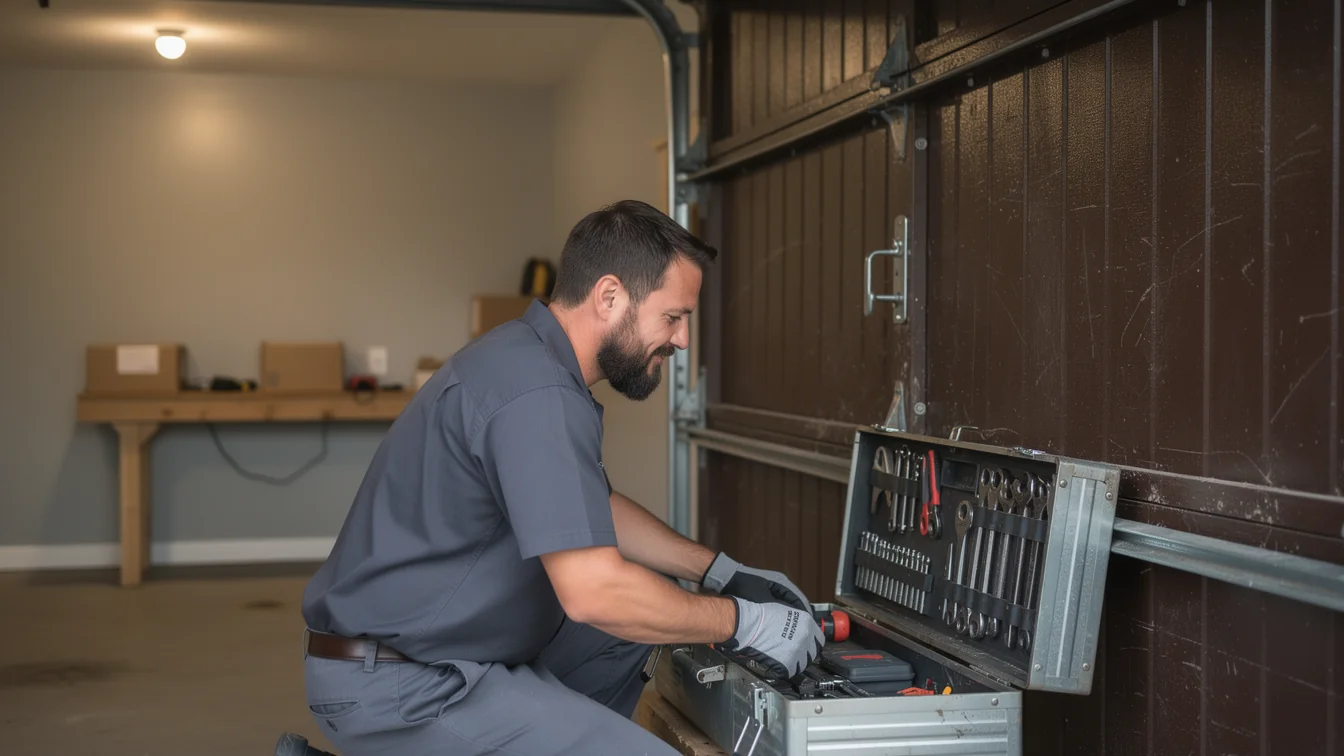
Local detail
Clearwater sits in a mild temperate band, so we're not chasing the freeze-thaw damage that snaps springs in colder states every January. That's the good news. The trade-off is a long stretch of warm, humid months that never really lets up, and that steady heat does its own kind of damage over time - drying out lubricant on rollers and hinges, letting grease on the track gum up with dust, and working on rubber weatherseal until it cracks and stops sealing the bottom of the door. On a service call we're looking at the same components whether it's February or August, because the climate here doesn't give the hardware a real off-season to recover in. What changes house to house is age. A door installed when a house went up in 1979 - close to the median build year across this area - has had every one of those warm months to wear on it, and that's usually where we find the spring or opener problem waiting. We check lubrication, seal condition, and spring tension on every visit regardless of season, because in this climate the wear is gradual and constant rather than tied to one bad cold snap.
The area
We don't have a flat number to hand you before we've seen the door, and anyone who quotes one over the phone is guessing. What we can tell you is what drives the number up or down: whether it's a spring job or a full opener swap, whether the track needs realignment or replacement, and whether the hardware is original to a house built decades ago versus something already replaced once. Doors in this service area skew older - built-era hardware from the 1958-2005 window, with a lot of it clustered in that 1960s-70s stretch - so parts matching can take longer to source than on a newer door, and that affects both cost and timeline. The honest limitation here: if your opener or spring assembly is old enough that replacement parts are scarce, we'll tell you straight that a full replacement is the better spend rather than nursing along a repair that won't hold. We'd rather lose a repair invoice than have you call us back in three months with the same door down again.
What we find
Across this service area, with 98,911 owner-occupied houses and a median household income of $84,220, most of the doors we get called to aren't on their first owner. Housing here was built mostly between 1958 and 2005, with the bulk of it going up in the 1960s and 70s across the 31 named areas we cover - which means a lot of garages still have the original one-piece or early sectional doors, sometimes with side-mounted torsion hardware that newer doors don't use at all. Downtown, just two miles southwest, has some of the oldest stock in the area, pushing right up against that 1958 start date. Out toward Safety Harbor or Belleair, a few miles off, you're still largely on that same 1960s-70s build, so the same worn rollers and brittle plastic idler pulleys show up again and again. The pattern is consistent enough that when a homeowner calls describing a door that's gotten loud or slow to close, we can usually guess the decade of the hardware before we even see it.
How we work
Mild temperate doesn't mean easy on a garage door. Without hard freezes, metal doesn't contract and crack the way it does up north, but the constant warmth and humidity in Clearwater work on a door differently - lubricant breaks down faster, rubber seals dry out and split, and any exposed metal hardware that isn't properly sealed starts to show surface corrosion well before it would somewhere drier and colder. On older doors from the 1960s and 70s building stock common across this area, that slow wear compounds, since the hardware was never designed to run this many years in this kind of climate without attention. We see it most in the bottom seal and the torsion spring coating. The fix isn't exotic - regular lubrication and a seal check catch most of it before it becomes a stuck or sagging door - but skipping that maintenance in a climate like this costs you years off the hardware's life compared to letting it slide in a drier region.
Questions
No. Cost depends on what's actually wrong - spring, opener, track, or seal - and on whether your hardware is original or already replaced. We'll give you a number once we've looked at the door, not before.
Clearwater's mild temperate climate skips the freeze-thaw damage colder states see, but the constant warmth and humidity breaks down lubricant and dries out rubber seals faster, so maintenance intervals matter more here than extreme-weather swings would elsewhere.
It can be. A lot of houses in this service area were built in that 1960s-70s stretch, and some of that original hardware is no longer made. If parts are scarce, we'll tell you when replacement is the better call instead of a repair that won't last.
We cover the Clearwater service area and nearby communities including Safety Harbor, Belleair, and Oldsmar, among others. Call and give us your address and we'll tell you straight whether it's in range.
Recommendation
More garage door guides for Clearwater homeowners.
A grinding, popping, or slapping garage door in Clearwater usually points to age-specific wear from the area's 1960s-70s housing stock.
Read more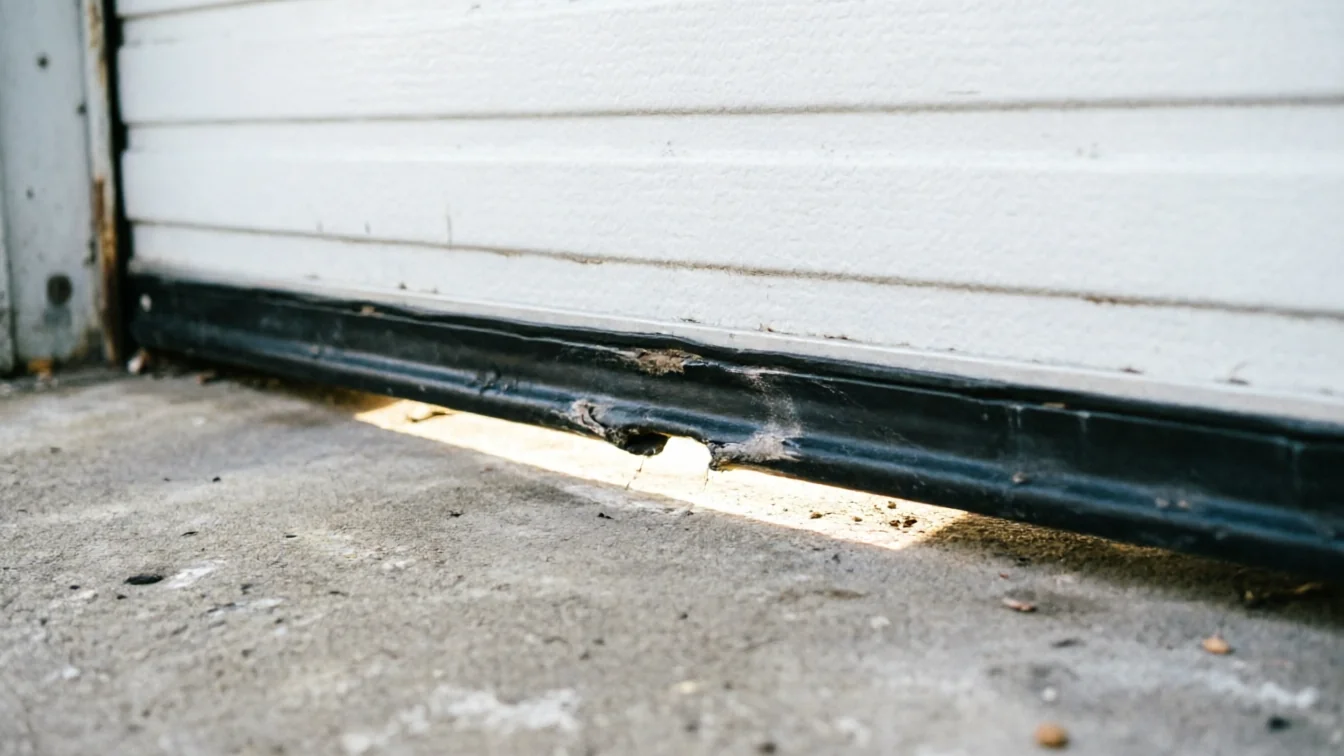
Clearwater homes built 1958-2005 lose heat through worn seals and draughts around garage doors-here's what actually helps in this mild coastal climate.
Read more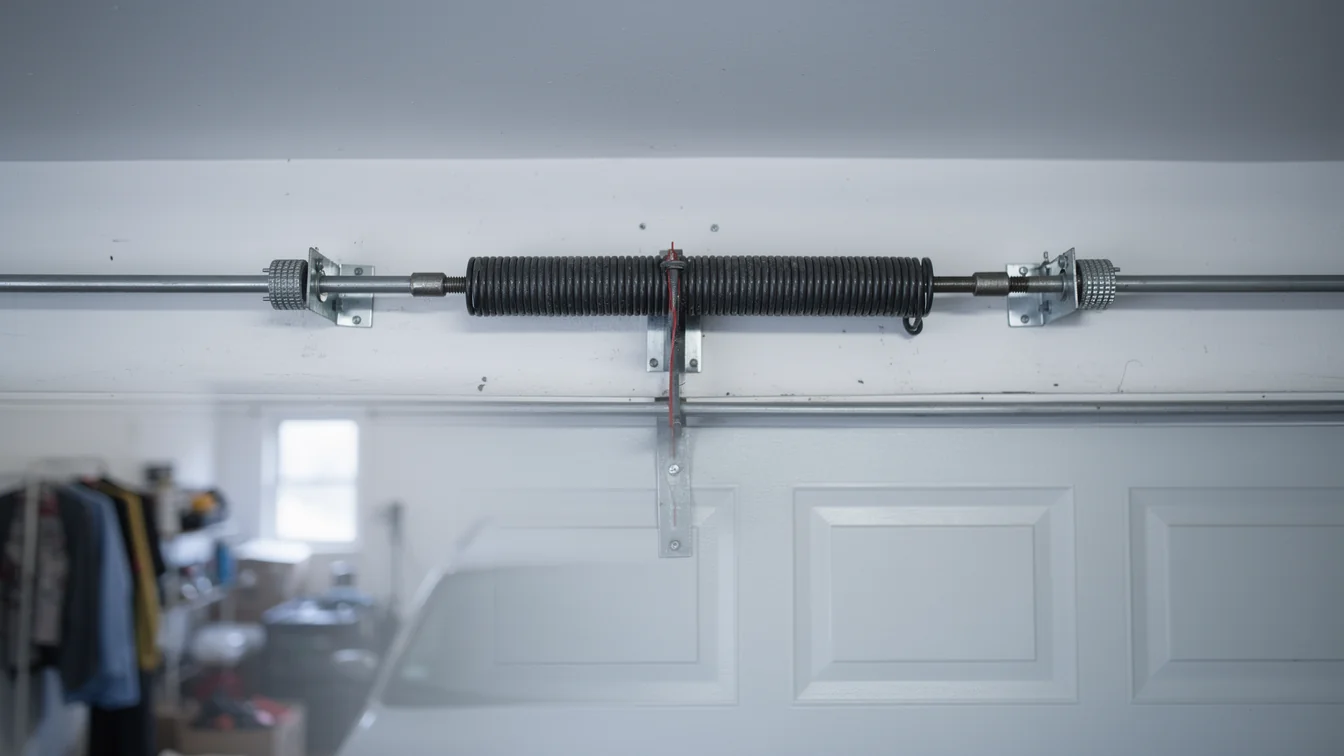
A look at how Clearwater's housing stock, mild climate, and coastal air affect garage door springs, tracks, and openers - and what actually drives repair cost here.
Read moreReady when you are
Clearwater Garage Door Pros repairs and installs garage doors, springs and openers in Clearwater, FL and the surrounding area.