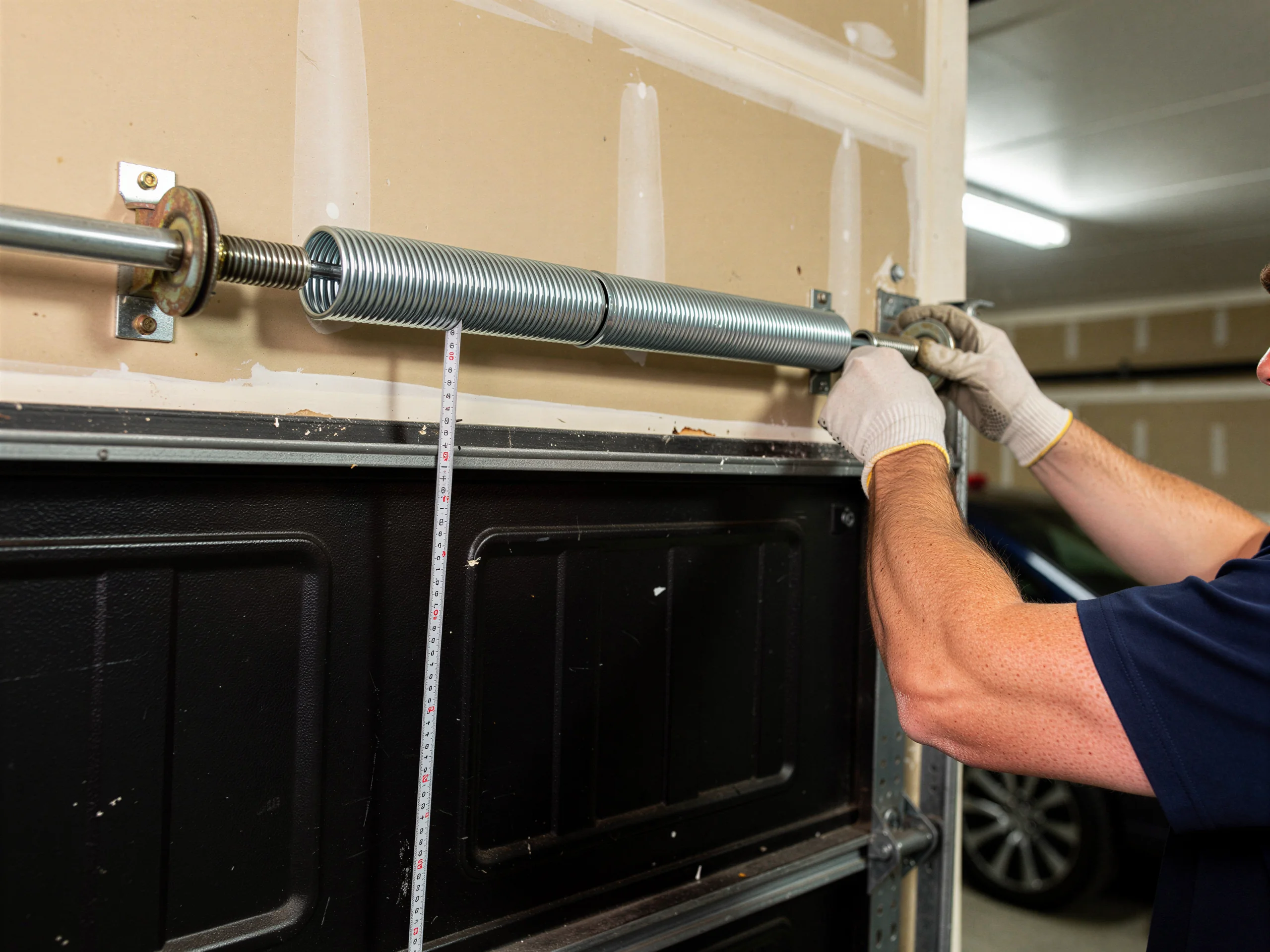
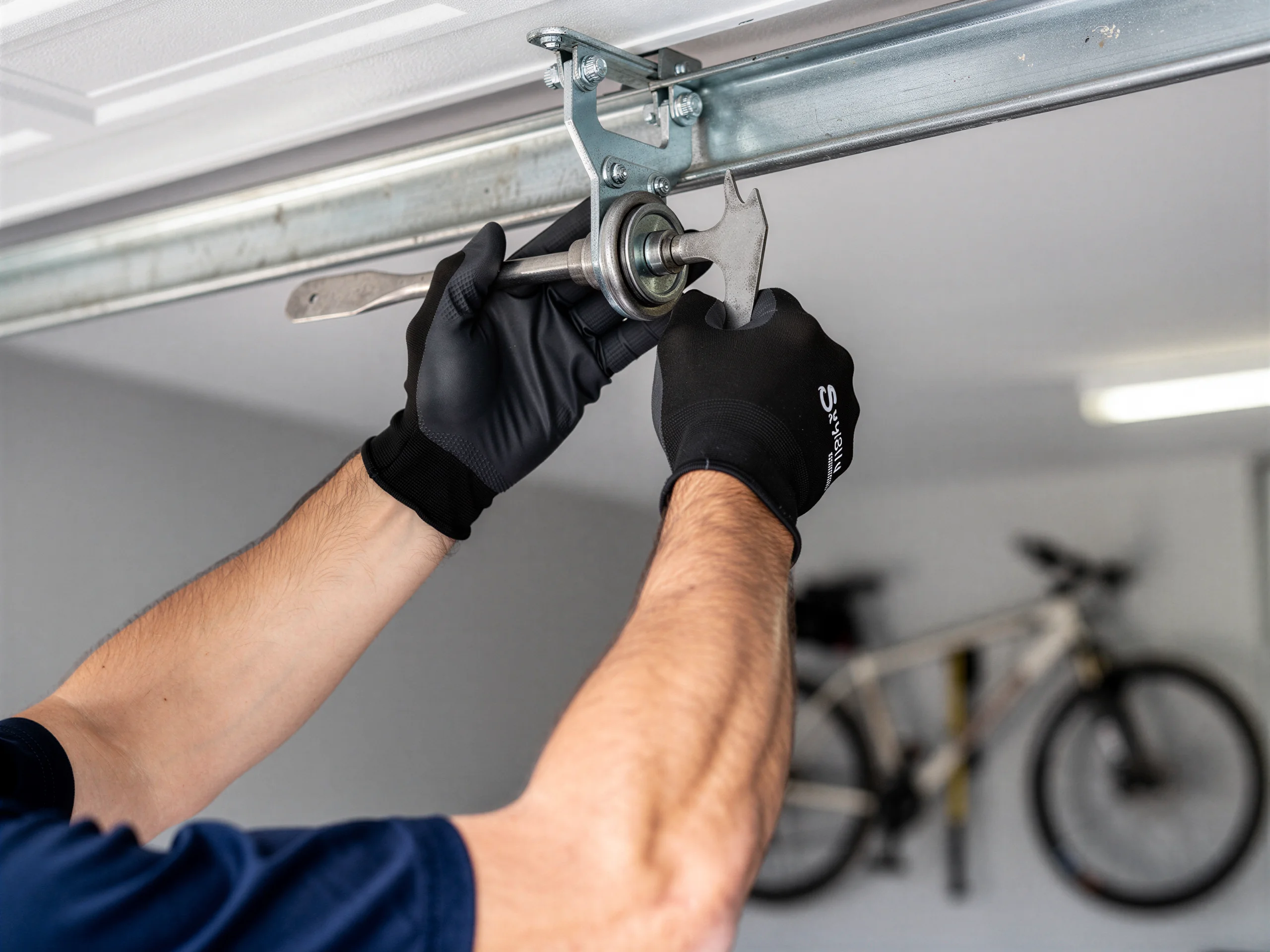
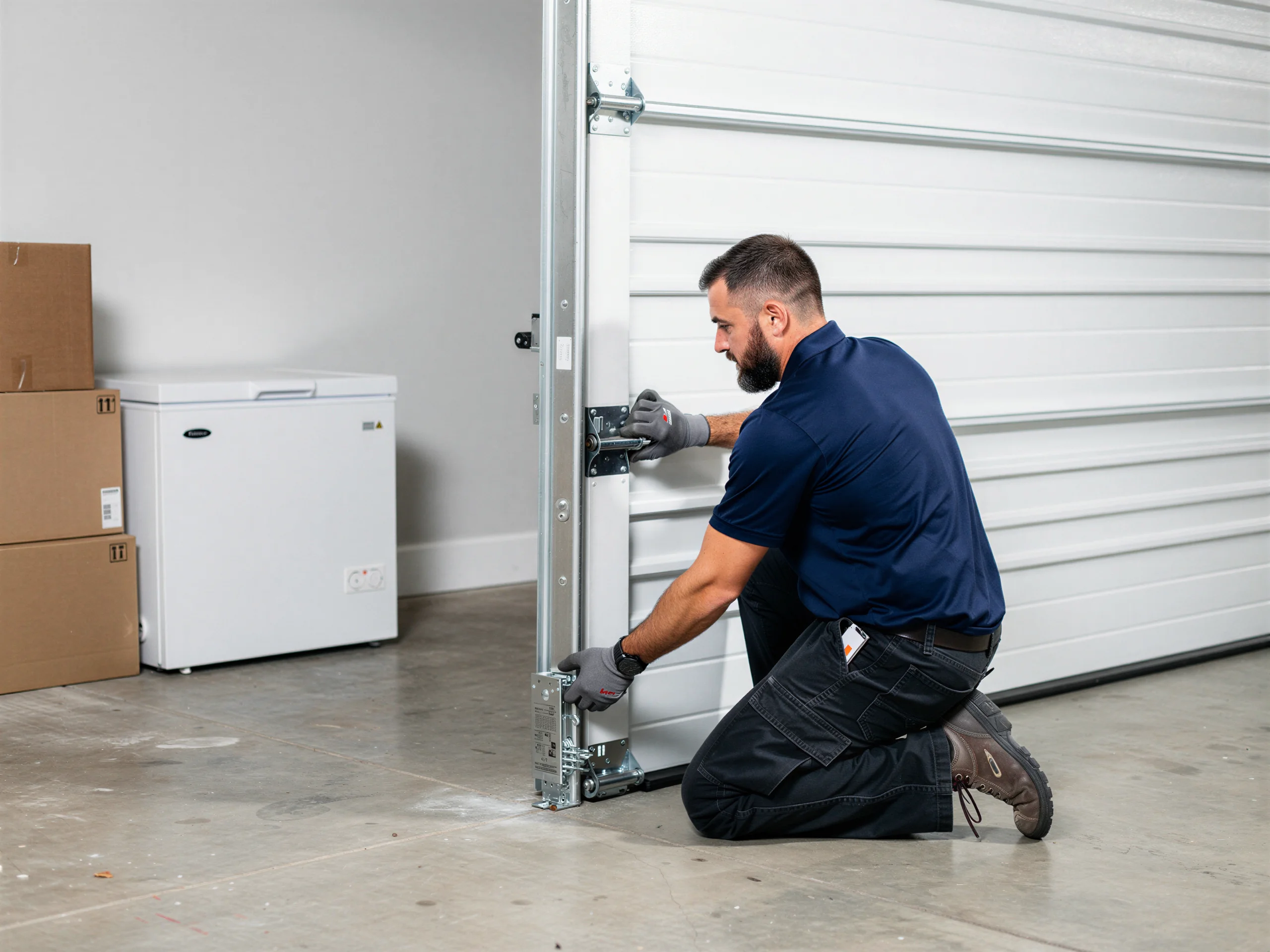
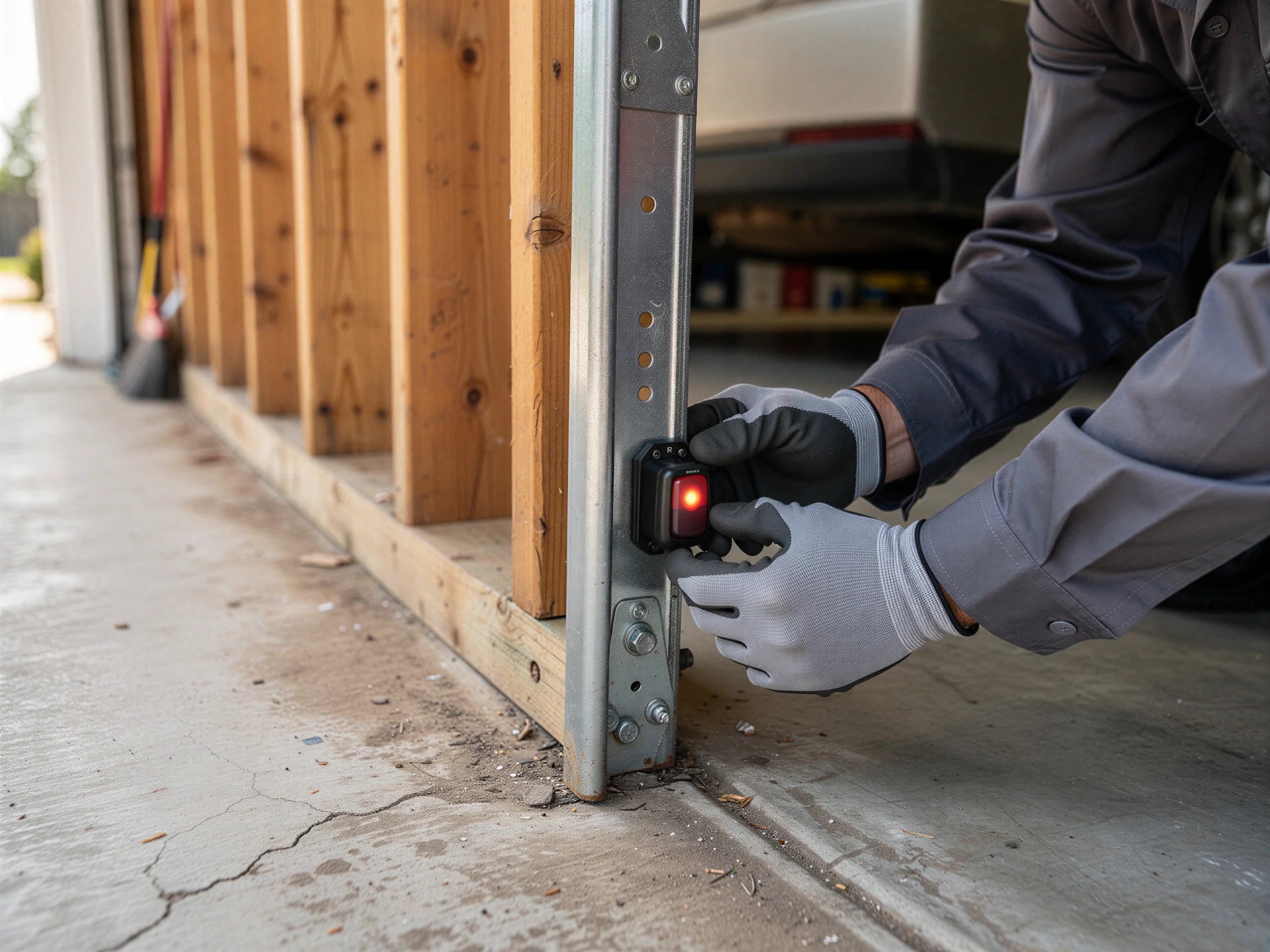
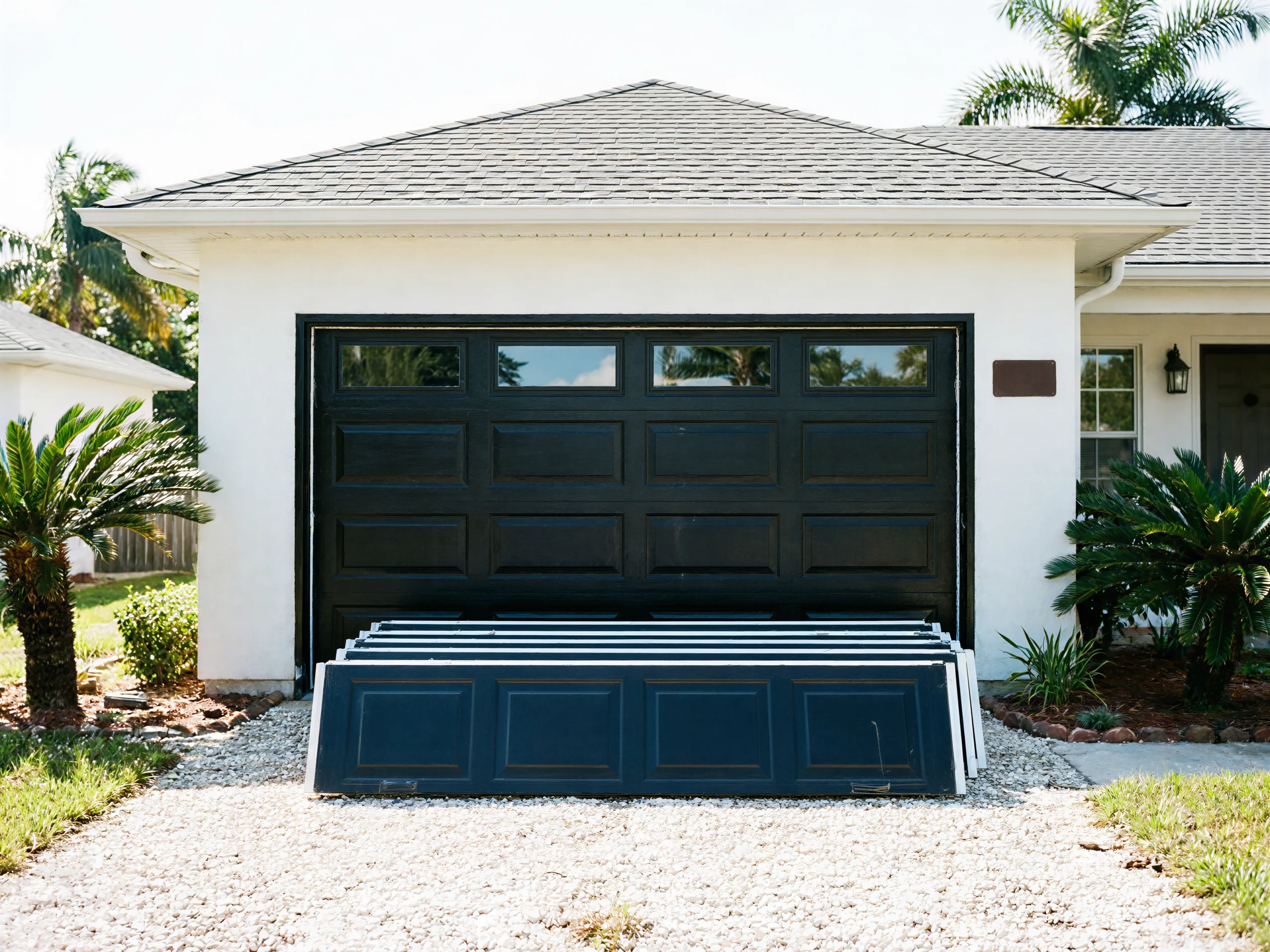
Housing across the Clearwater service area mostly went up between 1958 and 2005, with the bulk of it dating to the 1960s and 1970s across the 31 communities we work in. That means a lot of original or first-replacement garage door hardware - torsion springs, steel tracks, hinge sets - that's now 40 to 60 years into a lifespan nobody designed to run that long without attention.
The climate does its own work on top of that. This is a mild temperate band, which sounds easy on hardware, and in some ways it is - no deep freeze cracking seals, no snow load on the door itself. But mild here still means sustained humidity most of the year, and humidity is what corrodes springs, pits bearings, and swells wood jambs enough to throw a door's alignment off by a few degrees. It's a slower failure path than a hard freeze-thaw cycle, but it's a steadier one, and it runs year-round instead of seasonally.
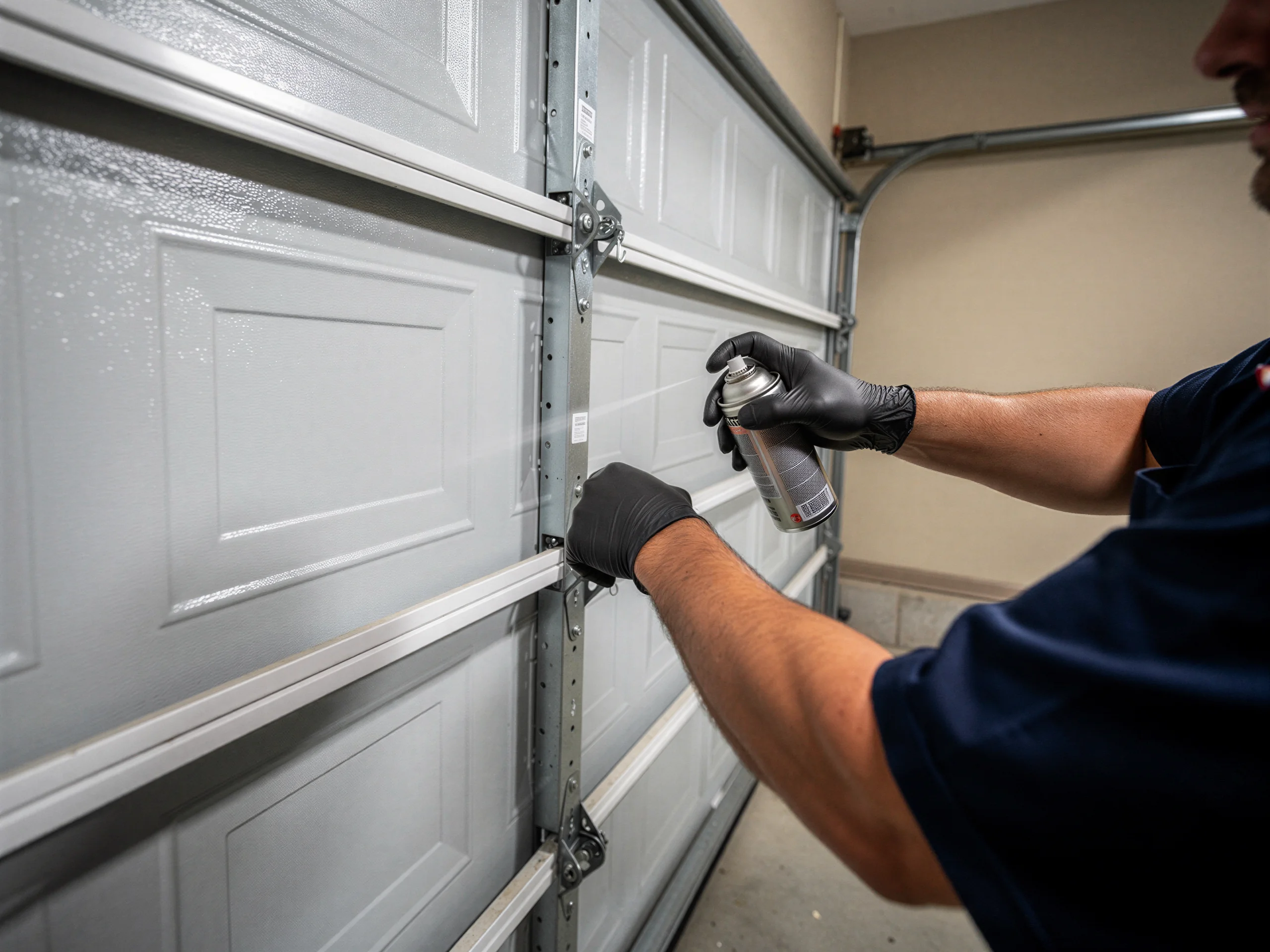
Put those two things together - older hardware, constant humidity - and you get doors that don't fail dramatically. They drift. Rollers wear unevenly, track bolts back out a sixteenth of an inch at a time, and springs lose tension gradually instead of snapping. That's exactly the kind of wear a maintenance visit catches before it becomes a Saturday morning repair call.