Booking ahead helps
That's not a knock on the work - it just means booking ahead gets you a cleaner appointment window than trying to catch a same-day slot.
Trinity, Clearwater
Trinity homes mostly date to 2005, not the 1970s stock common closer to Clearwater. Here's what that means for maintenance, cost, and when a tune-up beats a replacement.
Local causes
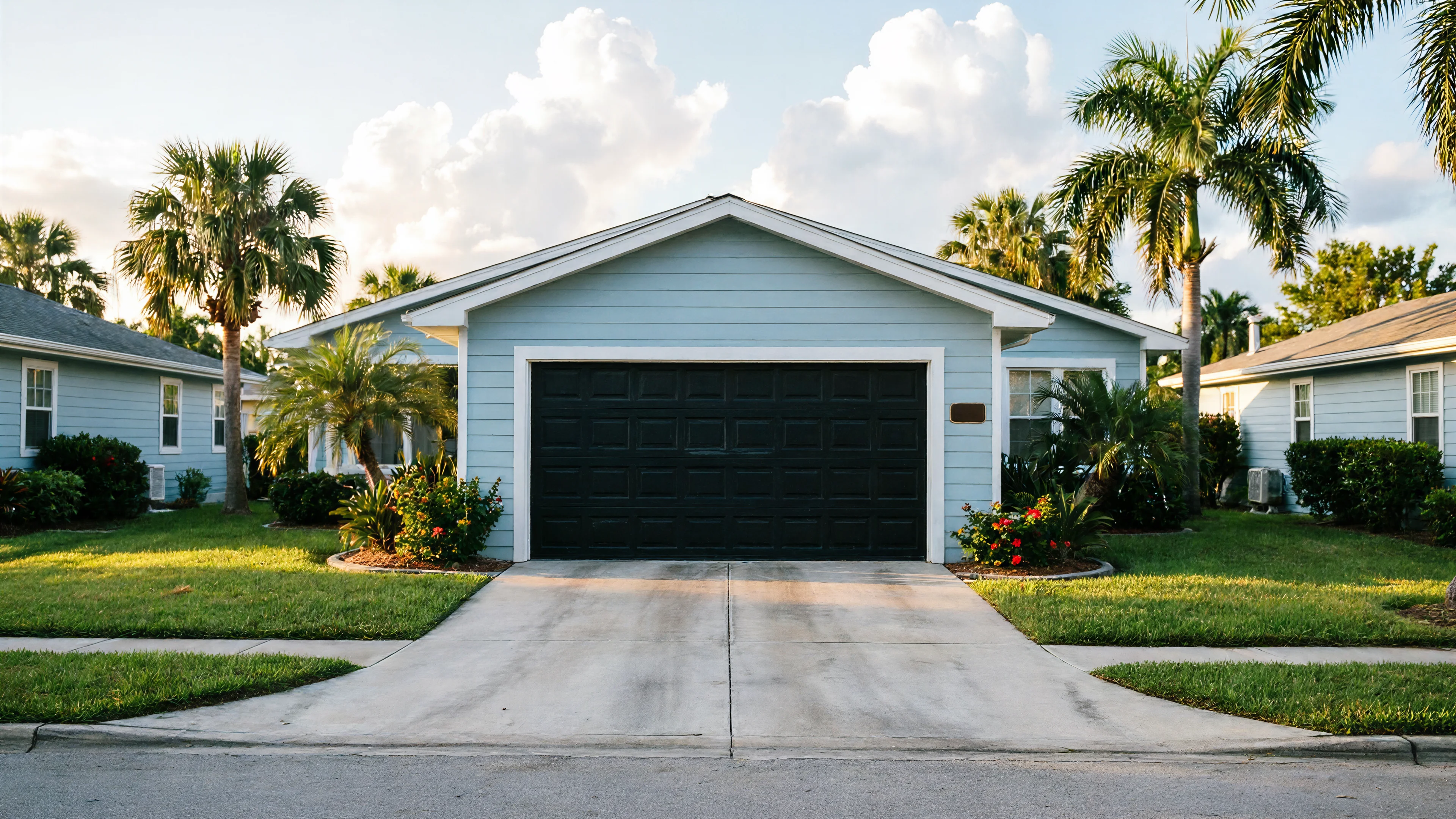
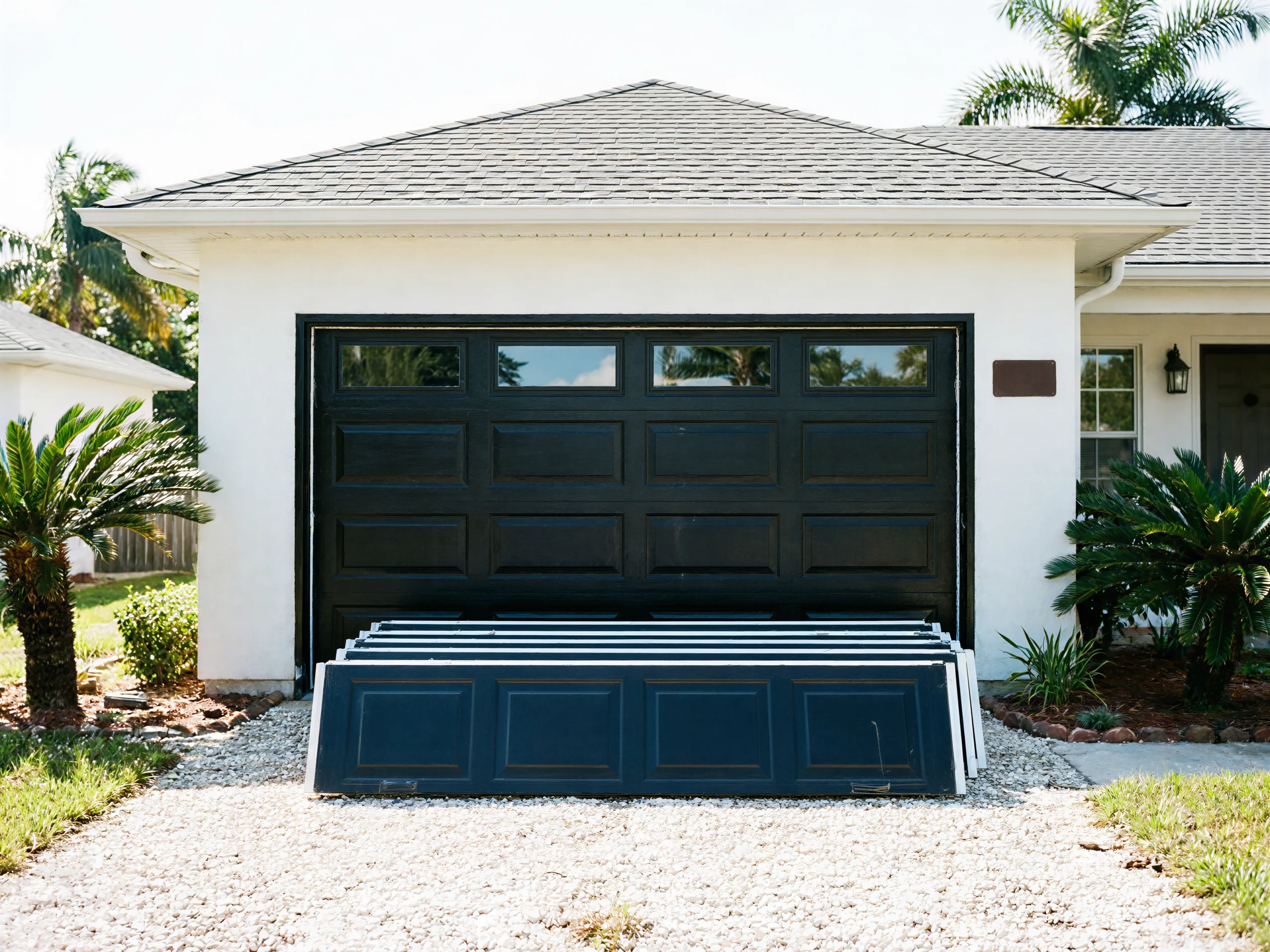
Trinity's median household income runs $113,125, well above the $84,220 median across the broader service area, and that number matters more than people think when a technician is standing in front of your door deciding what to recommend. At that income level, most owners aren't looking to nurse a door along for another five years with patched hardware - if a repair is going to cost two-thirds of a new door, the math usually points to replacement, and we'll say so instead of selling a stopgap.
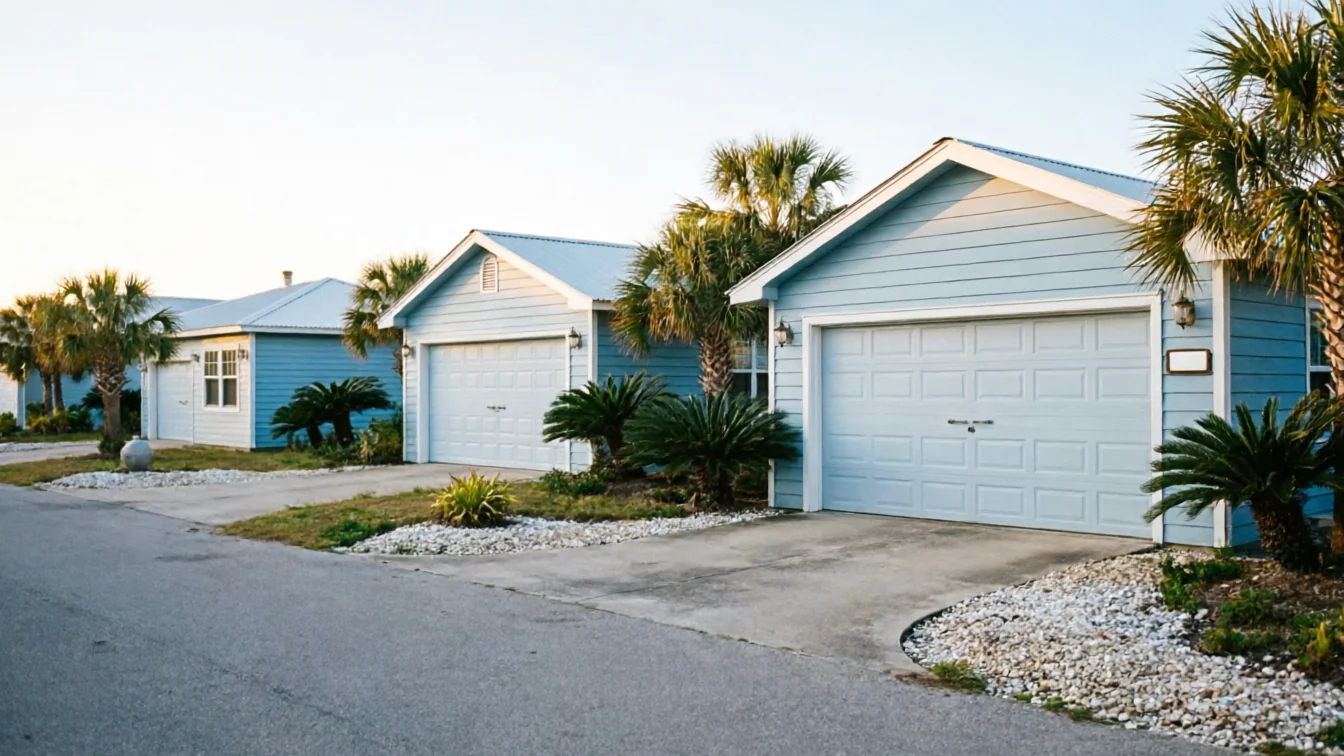
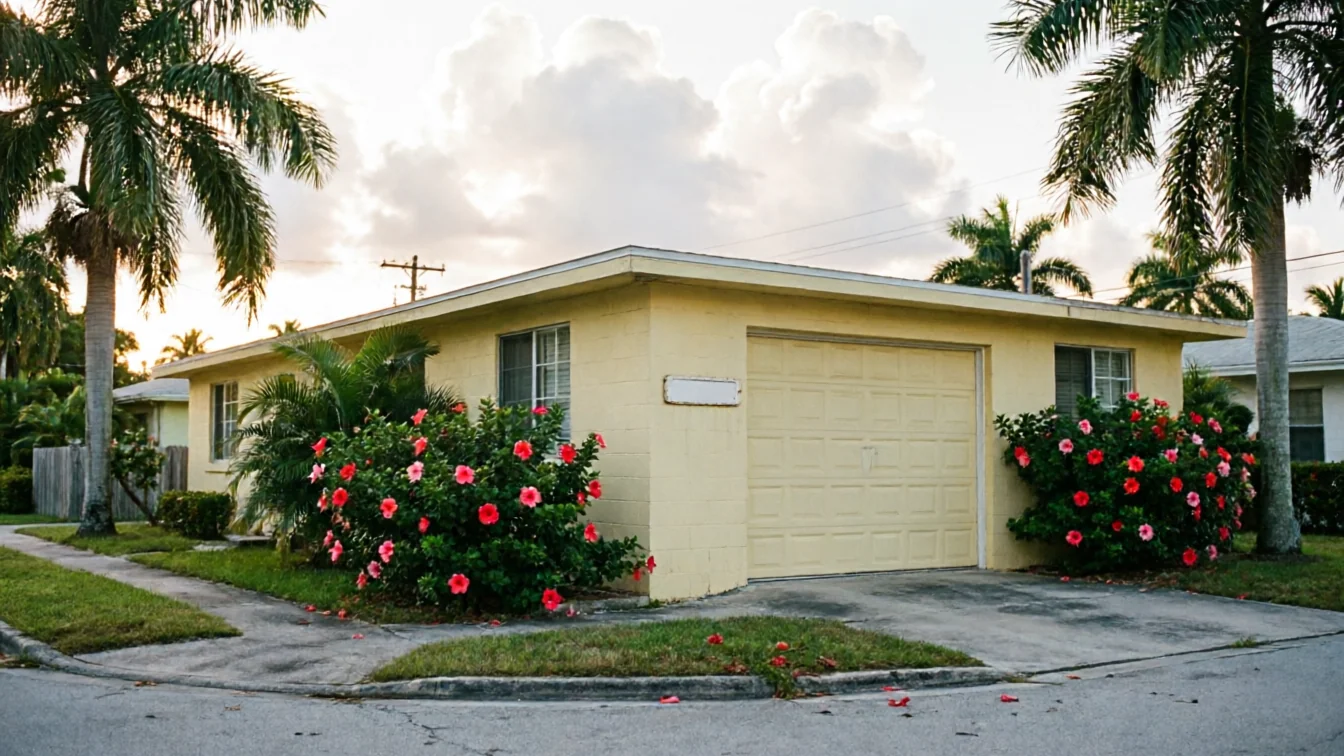
The housing itself tells a different story than the rest of the area. Trinity's median year built is 2005, decades newer than the 1979 median across the wider service zone. That means original openers with circuit boards instead of plain chain-drive motors, factory-balanced springs still inside their rated cycle life, and insulated steel doors rather than the older single-layer panels common in 1960s and '70s stock. The failures we see here tend to be wear items - rollers, hinges, weatherstripping gone brittle - not the structural fatigue that shows up in a 50-year-old door. The mild temperate climate keeps freeze-thaw stress off the hardware too, so most of what goes wrong is lack of lubrication and loosened fasteners, not rust or warping.
Booking
We run out of Clearwater, about 16 miles from Trinity, so maintenance visits here get scheduled rather than dropped in on short notice.
That's not a knock on the work - it just means booking ahead gets you a cleaner appointment window than trying to catch a same-day slot.
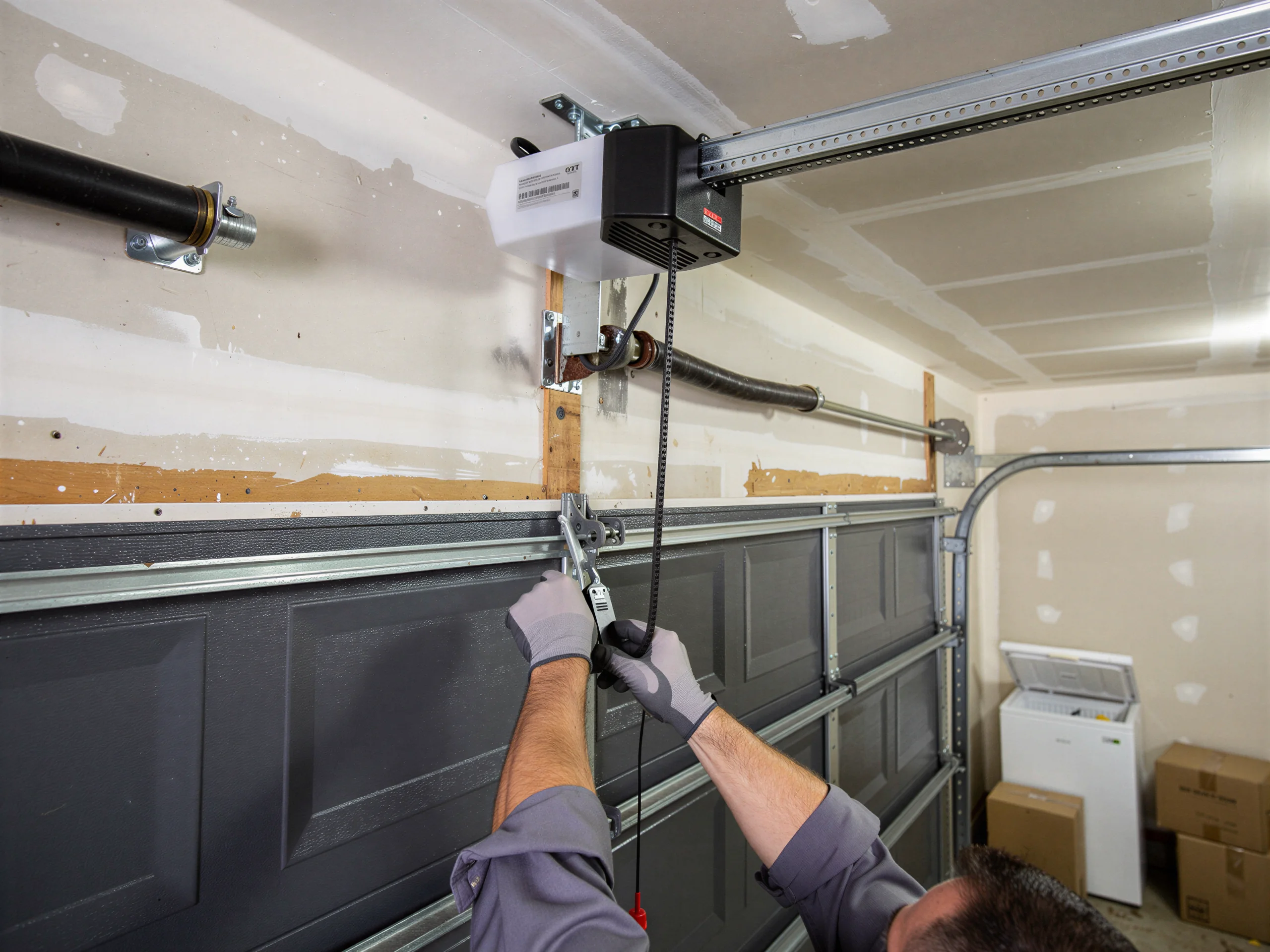
Tell us the door's age and whether it's ever been serviced; on a 2005-era door that's never had a tune-up, we're usually dealing with original rollers and a spring that's done a lot of cycles without attention. Bring that detail up front and the visit runs faster.
DIY or pro
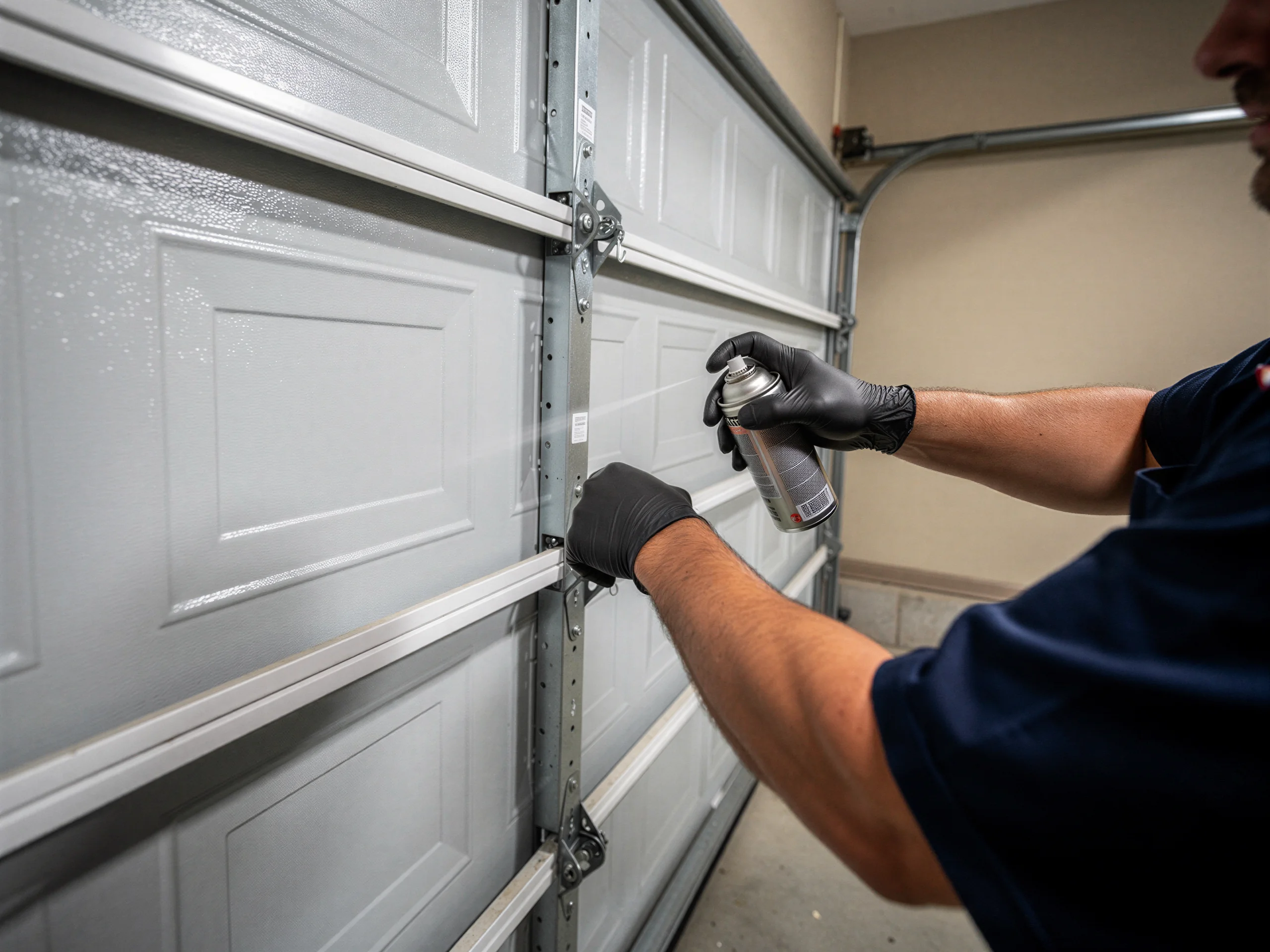
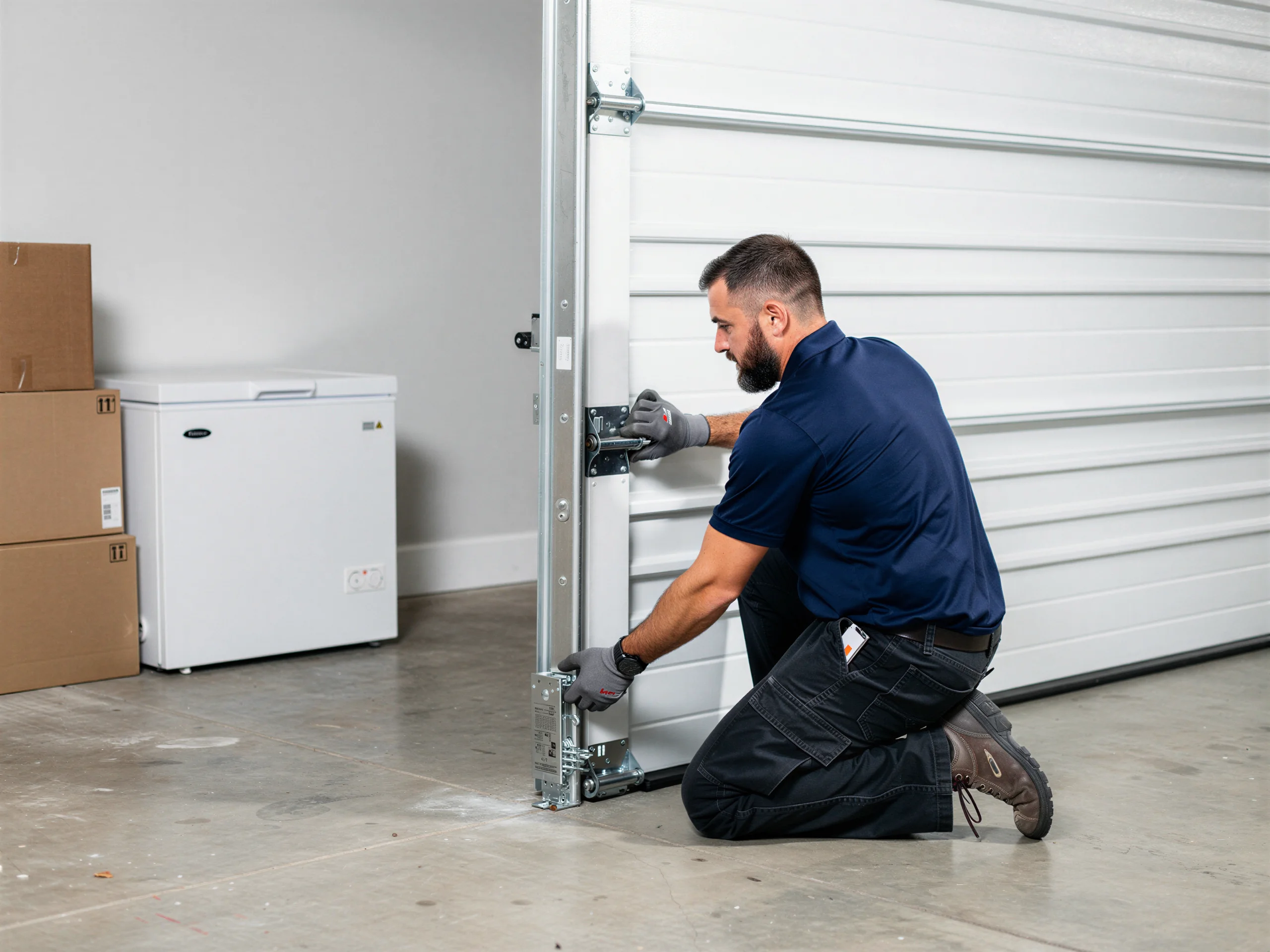
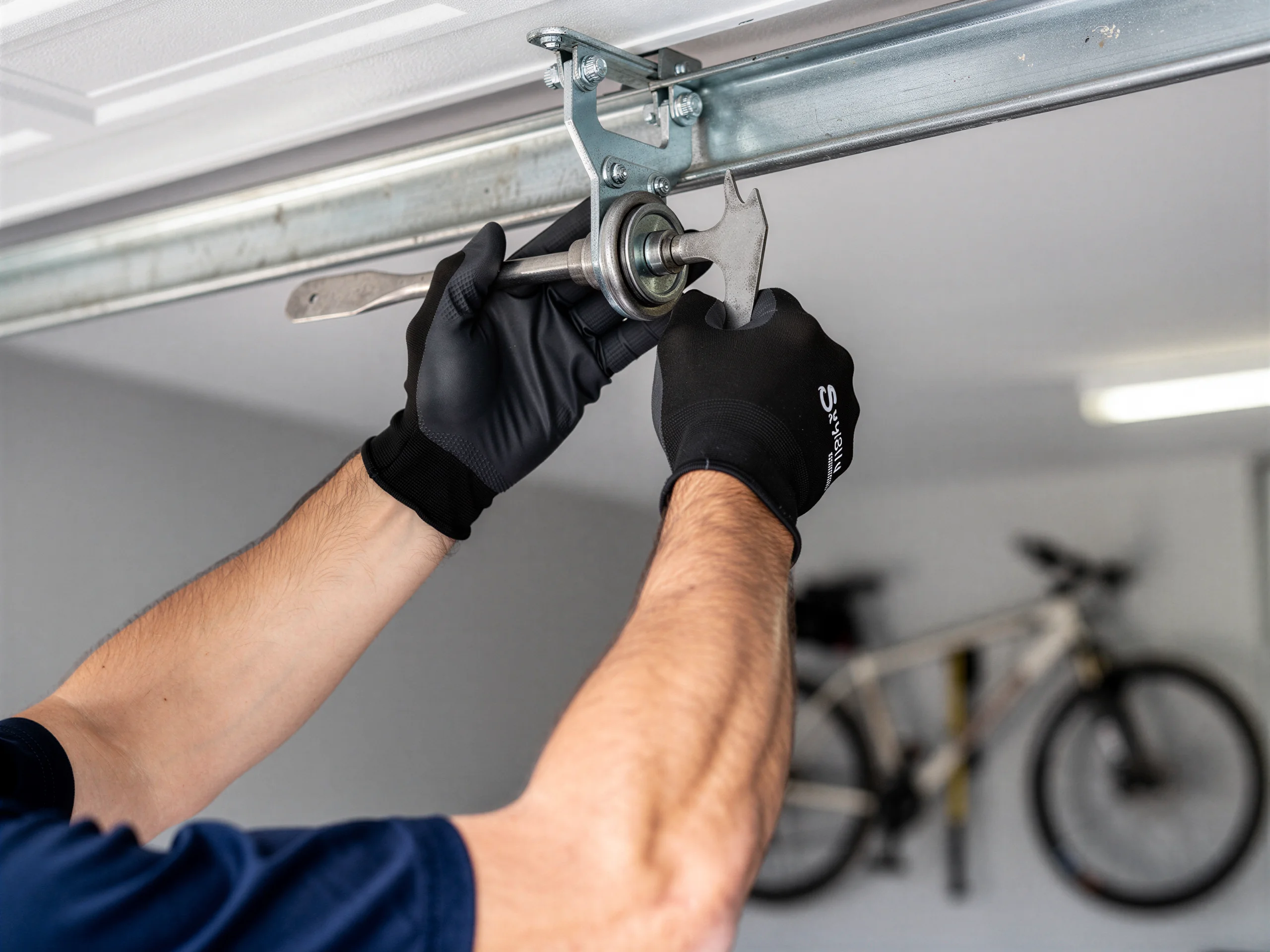
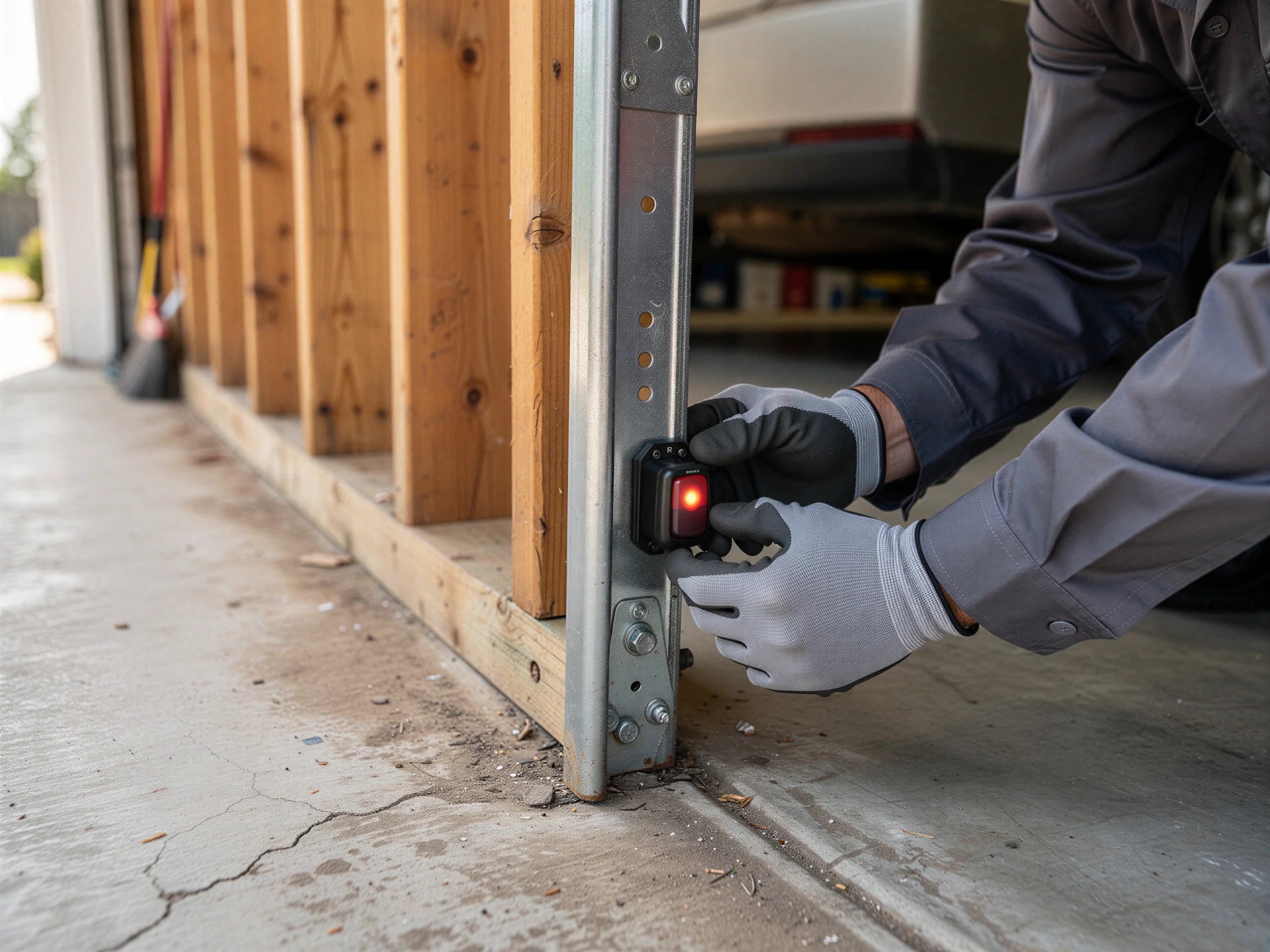
Plenty of what keeps a newer door running is within reach for a homeowner: wiping down tracks, checking that the auto-reverse safety sensors aren't knocked out of alignment, tightening visible bolts on the track brackets, and keeping hinges and rollers lubricated.
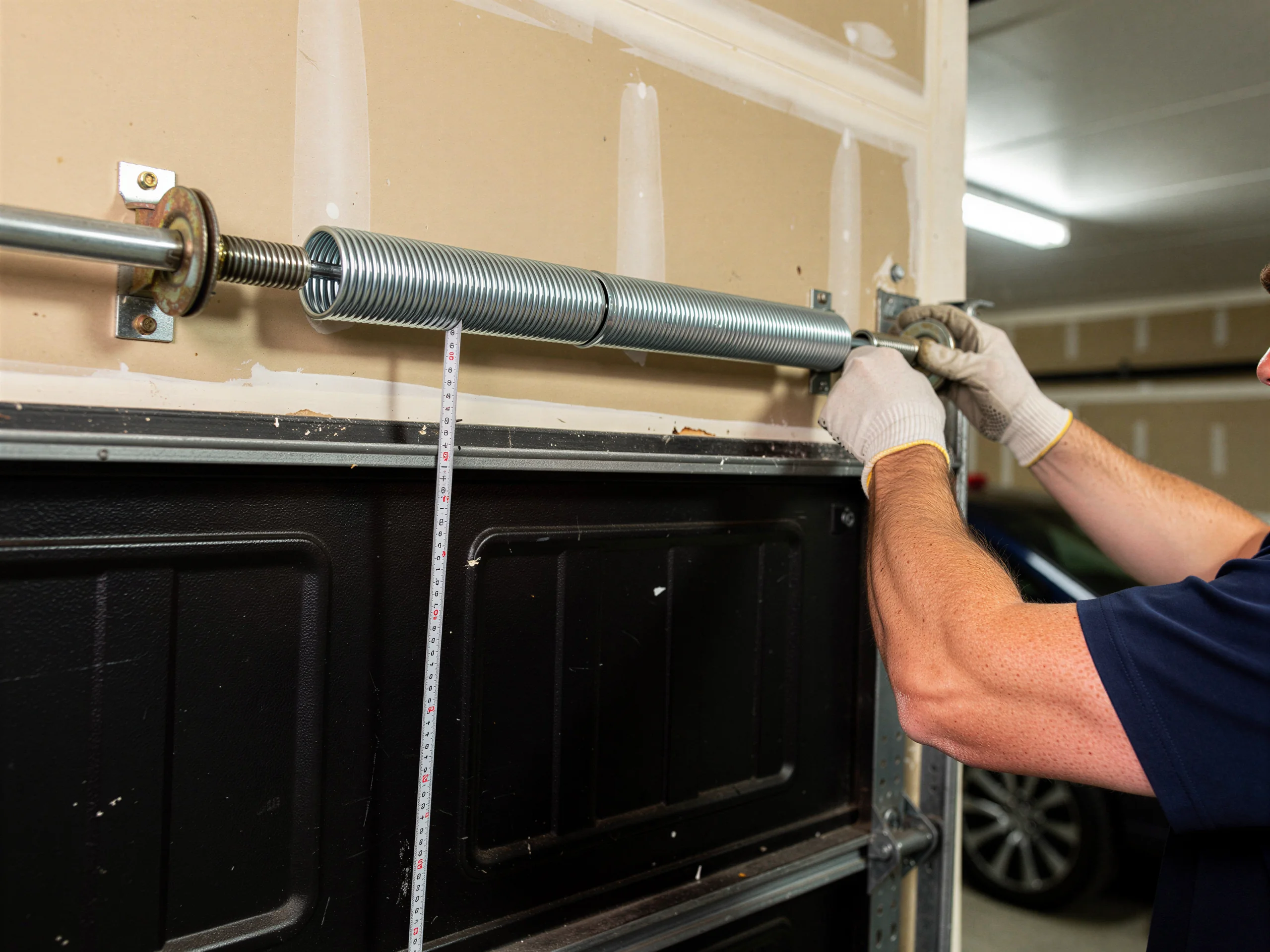
None of that requires touching the spring system. What you shouldn't do yourself is anything involving the torsion spring or the cable drums - those are under heavy tension and a slip can break a hand or worse.
On a 2005-built home that spring has likely never been replaced, which means it's closer to the end of its rated cycle life than most owners realize. If you hear a loud bang or see a visible gap in the spring, that's a call, not a DIY afternoon.
Timing
A standard maintenance visit on a door this age is quick work compared to an older door with corroded hardware to fight through - there's no rust to cut through, no warped track to re-align. Most of the time goes into lubrication, hardware checks, balance testing, and opener sensor alignment. If something needs replacing, like a roller set or weatherstripping, that adds time but not a second trip in most cases, since parts for 2005-era doors are still common and don't need special ordering the way older discontinued panel styles sometimes do.
Watch-outs
The honest limitation: if your opener's circuit board is original from 2005 and it's starting to fail intermittently, that's not always a maintenance fix. Boards from that era are reaching the point where a repair patch doesn't hold, and replacing the opener outright is often the better call rather than chasing an electrical fault twice. We'll tell you when we're at that point instead of billing you for a second visit on the same board.
Beyond that, the usual things that go wrong on a well-kept newer door are small: a sensor knocked a quarter-inch out of alignment by a bike or a broom, a roller that's worn oval instead of round, weatherstripping gone stiff enough to let light in at the bottom edge. None of these are urgent, but left alone they put more strain on the opener and the spring than they should.
Questions
Once a year is a reasonable baseline for a door this age, since the hardware isn't fighting the rust and warping older doors deal with. If the opener or door gets heavy daily use, twice a year catches wear items like rollers and hinges before they start putting extra strain on the spring.
At a median build year of 2005, most Trinity doors have a lot of service life left, so maintenance now protects an investment you're not replacing anytime soon. If your door is showing structural problems rather than wear, that's a different conversation and we'll tell you straight.
No. We run out of Clearwater, about 16 miles away, and schedule maintenance visits to Trinity rather than offering same-day drop-ins. Booking a day or two ahead gets you a better appointment window.
On a 2005-era opener, repeated board failures usually mean the board itself is reaching end of life, not that something was missed in the tune-up. At that point replacing the opener is typically the more reliable fix than repeated repairs to the same circuit.
Explore more
Ready when you are
Clearwater Garage Door Pros repairs and installs garage doors, springs and openers in Clearwater, FL and the surrounding area.