Settled frame adds shimming
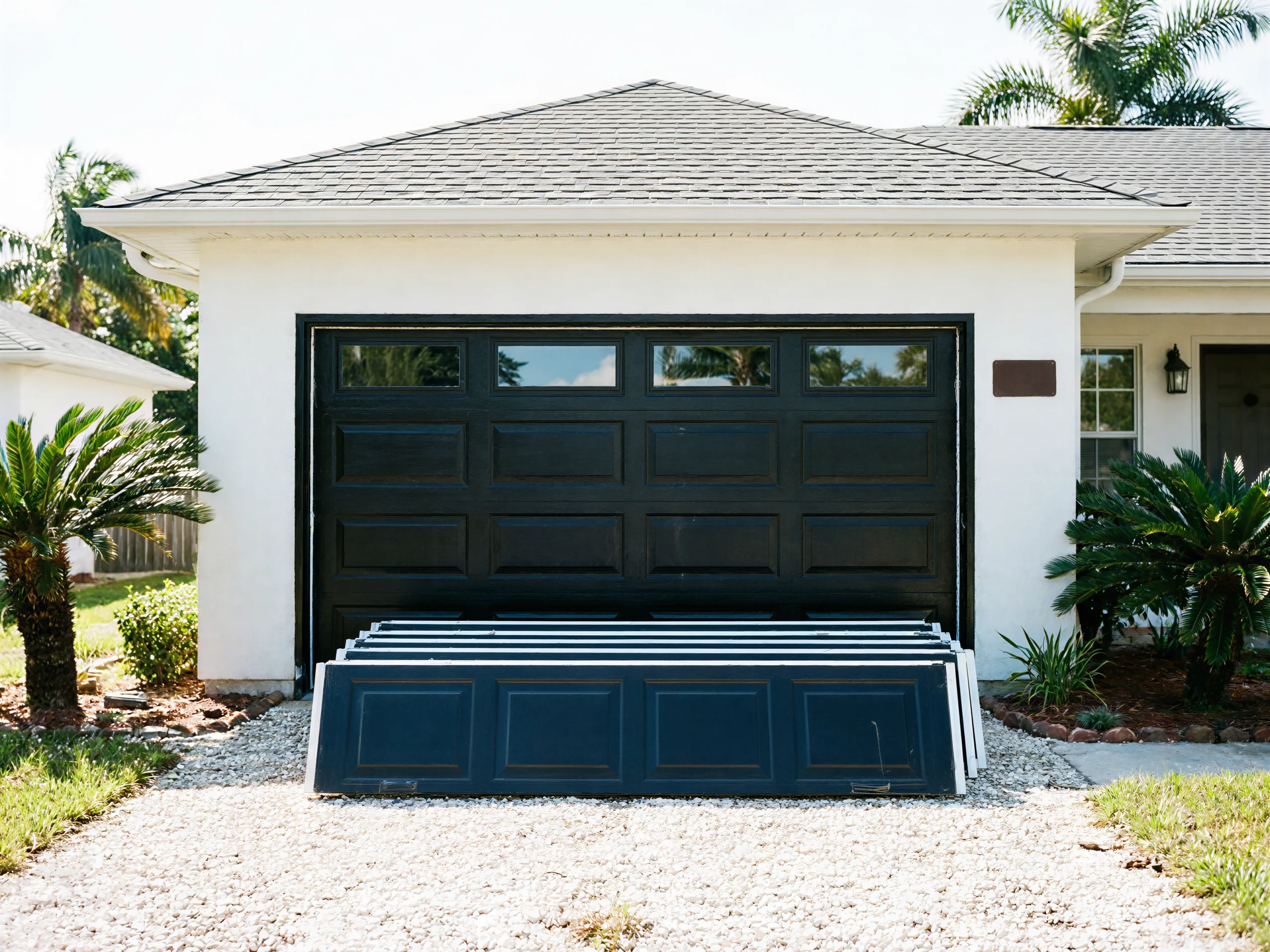
What stretches it out is usually the frame, not the door: homes from the 2005 era can have settled slightly, and if the opening's gone out of square, that adds time to shim and reset the track before the new door goes in.
Trinity, Clearwater
Trinity's homes, mostly built after 2000, carry wider two-car openings and heavier doors than older Clearwater-area stock. Here's what a new install involves.
Local causes
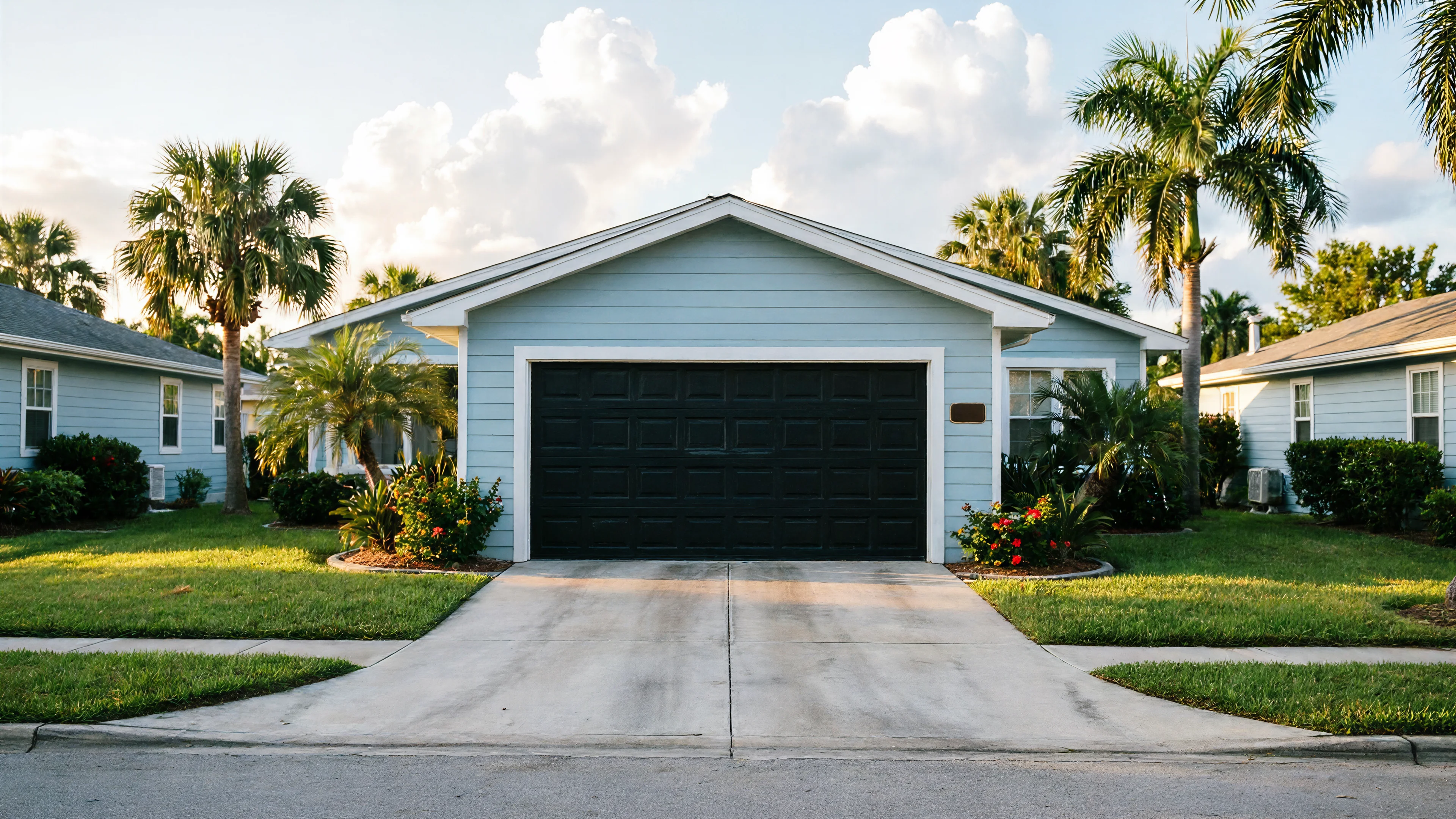
Trinity isn't a big town - about 6,934 households, which is a fraction of the bigger suburbs closer to Clearwater. That size matters because it means the housing here is more uniform than you'd find in an older, patched-together area. Most of what went up in Trinity came in around the median build year of 2005, which puts it well past the older 1960s-70s stock that makes up a lot of the wider service area. That's a different problem set. Houses from this era were built with wider two-car openings from the start, so you're usually looking at a 16-foot double door rather than two narrow single bays. Builder-grade steel doors from that period are now twenty years in, and the torsion springs that came with them have likely already been swapped once - springs are rated for cycles, not years, and a double door on a busy household burns through those cycles faster than people expect. The mild coastal climate here doesn't crack panels the way freeze-thaw regions do, but UV and heat still fatigue coil steel and nylon rollers over two decades. When a homeowner calls about a new install in Trinity, it's rarely storm damage - it's a door that's simply aged out.
Booking
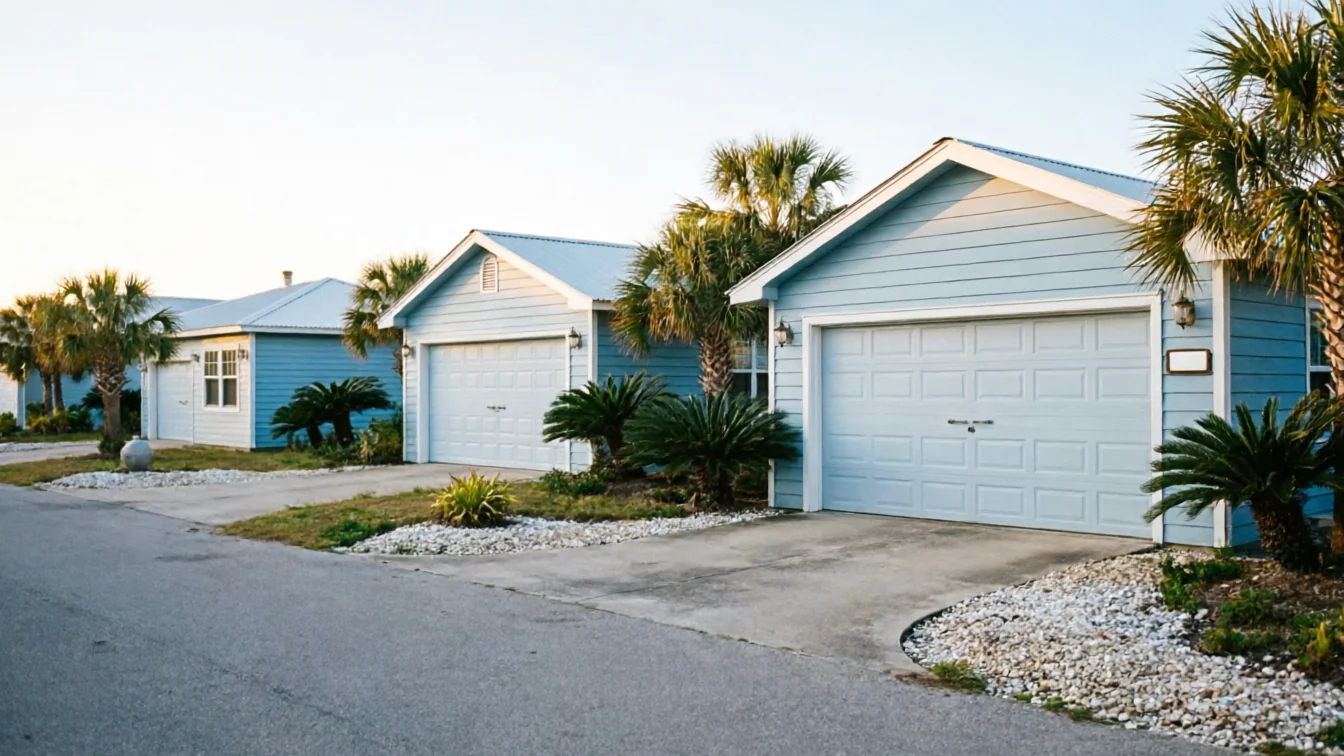
We run out of Clearwater, and Trinity sits about 16 miles out, so a new install here gets scheduled as a dedicated trip, not a drop-by.
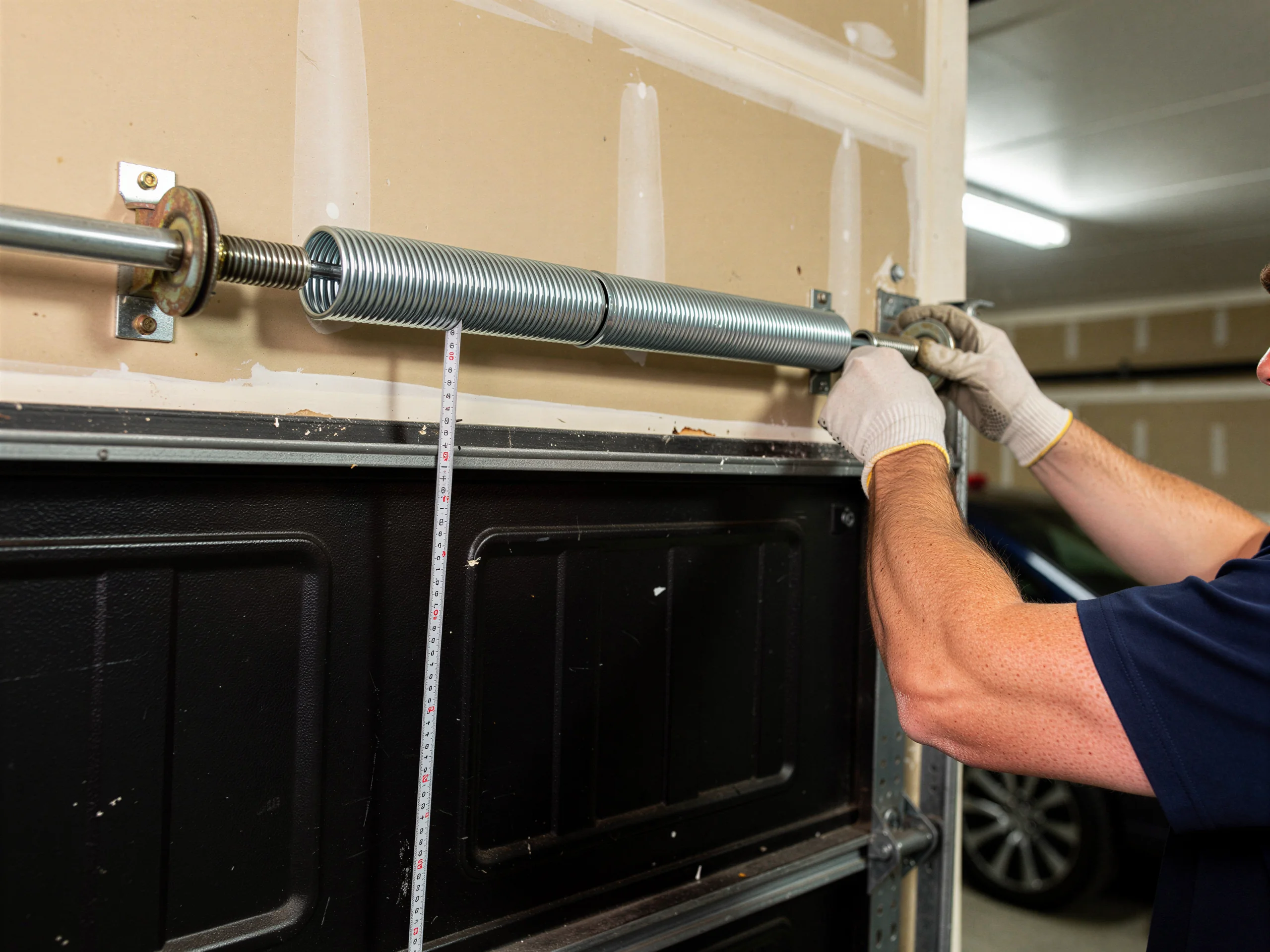
That means we plan the measure and the install around the same visit where possible - wider double doors built for 2000s-era garages need accurate opening measurements, since a builder-grade frame isn't always square after twenty years of settling.
We don't keep a branch in Trinity, so we're not promising a same-day callback the way a local shop might; we build the schedule around the drive. At a median household income of $113,125 - noticeably higher than the $84,220 median across the broader service area - a lot of the calls we get here aren't about getting by with the cheapest door.
They're about replacing a builder-grade door with something heavier: insulated steel, quieter hardware, an opener that doesn't rattle. Booking in starts with a quick conversation about what's on the house now and what you want instead, then we schedule the trip out to measure, confirm the opening, and quote the install itself.
DIY or pro
A new garage door isn't a weekend project, and a double door on a 2000s-era Trinity house makes it harder, not easier. The panels on a 16-foot door are heavier than the single-bay doors common on older homes, and the torsion spring system that counterbalances that weight is under enough tension to do real damage if it lets go while you're working on it. We won't talk anyone out of swapping a broken roller or lubricating a track themselves - that's reasonable homeowner maintenance. But setting new torsion springs, squaring a new frame, and balancing a heavier insulated door against a stock opener is a different job, and it's the kind of work where a mistake costs more than the service call would have. One honest limitation: we don't do the kind of custom carriage-house or specialty-material doors some homeowners want for a higher-end house - if that's what you're after, we'll tell you that up front rather than quote something we can't deliver well.
Timing
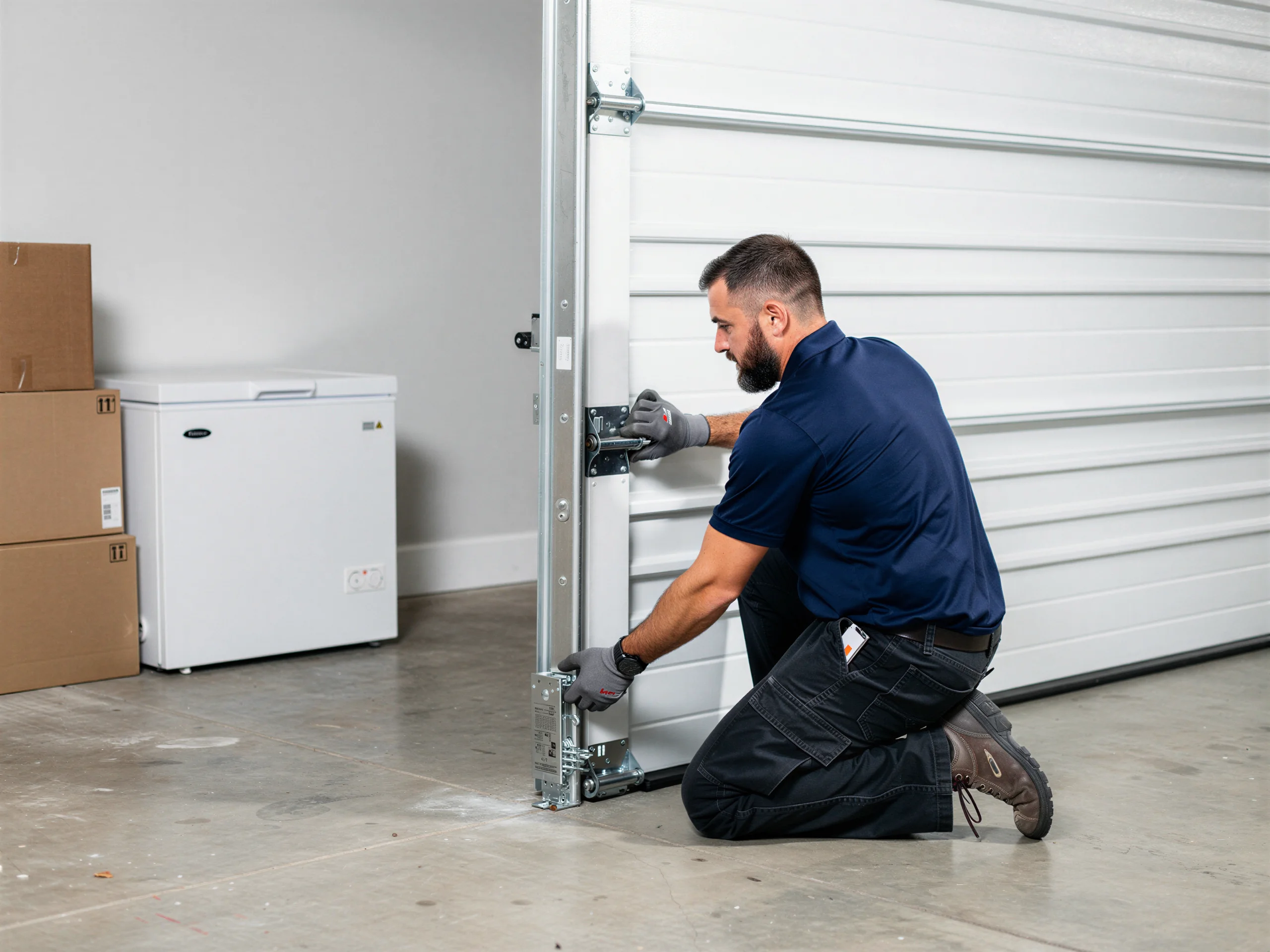
A straightforward double-door swap on a Trinity house - same opening, new door, same or upgraded opener - is typically a single-day job once we're on site, start to finish.
What stretches it out is usually the frame, not the door: homes from the 2005 era can have settled slightly, and if the opening's gone out of square, that adds time to shim and reset the track before the new door goes in.
If you're upgrading from a non-insulated builder door to an insulated one, the heavier panel sometimes means swapping the opener too, since the original unit may not be rated for the added weight - that's worth knowing before you commit to a date so it doesn't turn into a second trip. We'll tell you up front if your opening or your opener is likely to add time once we've seen the specifics.
Watch-outs
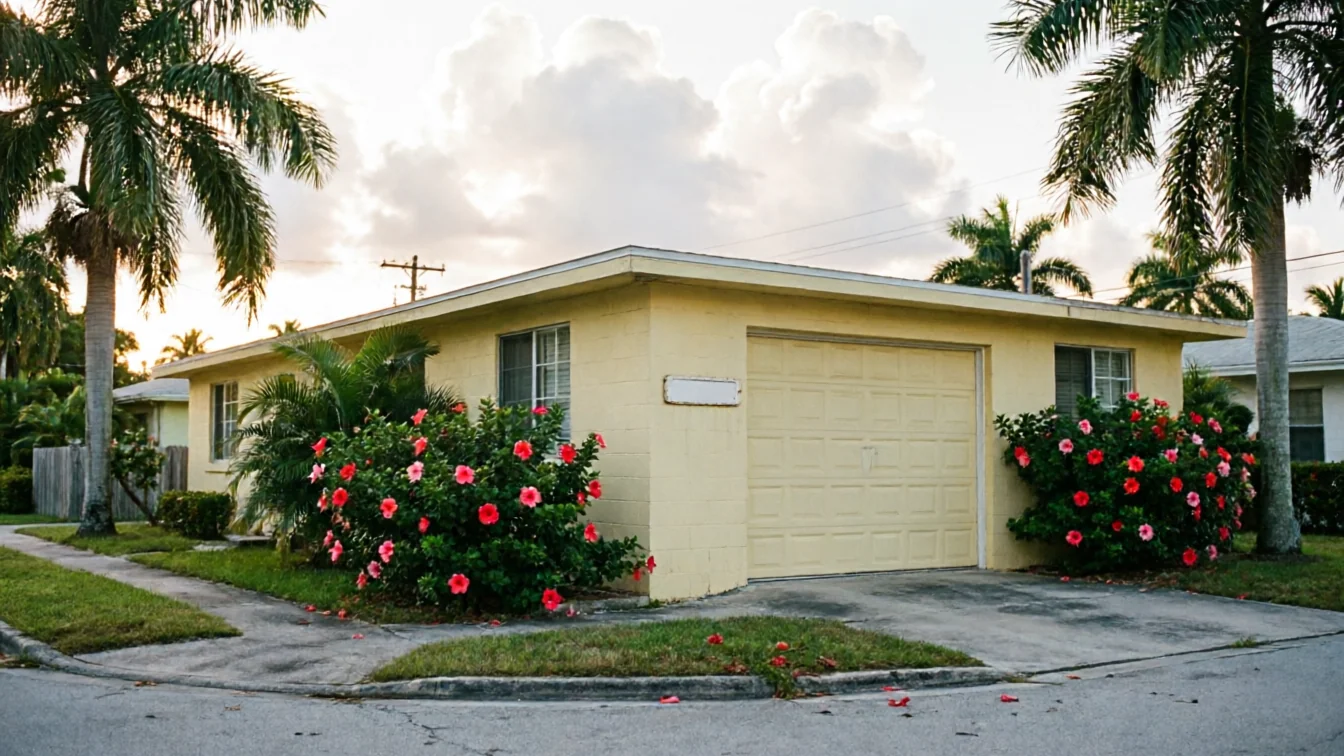
The most common surprise on a 2005-era double door install is the opener. A lot of these homes still run the original builder-installed opener, and it was sized for the original lightweight door - not for a heavier insulated replacement. Put a 20-year-old half-horsepower unit on a new insulated door and you'll get a slow, straining opener that burns out early. The second surprise is the opening itself: after two decades, a frame can be slightly out of square even if nothing looks wrong from the driveway, and a new door that isn't shimmed to match will bind on one track. Weatherstripping is a smaller thing people skip - in this mild coastal climate it's less about keeping out cold and more about keeping out wind-driven rain, and a door installed without properly sealed bottom and side seals will let water in during a hard blow. None of this is unusual for a house this age - it's just worth knowing before the install, not after.
Questions
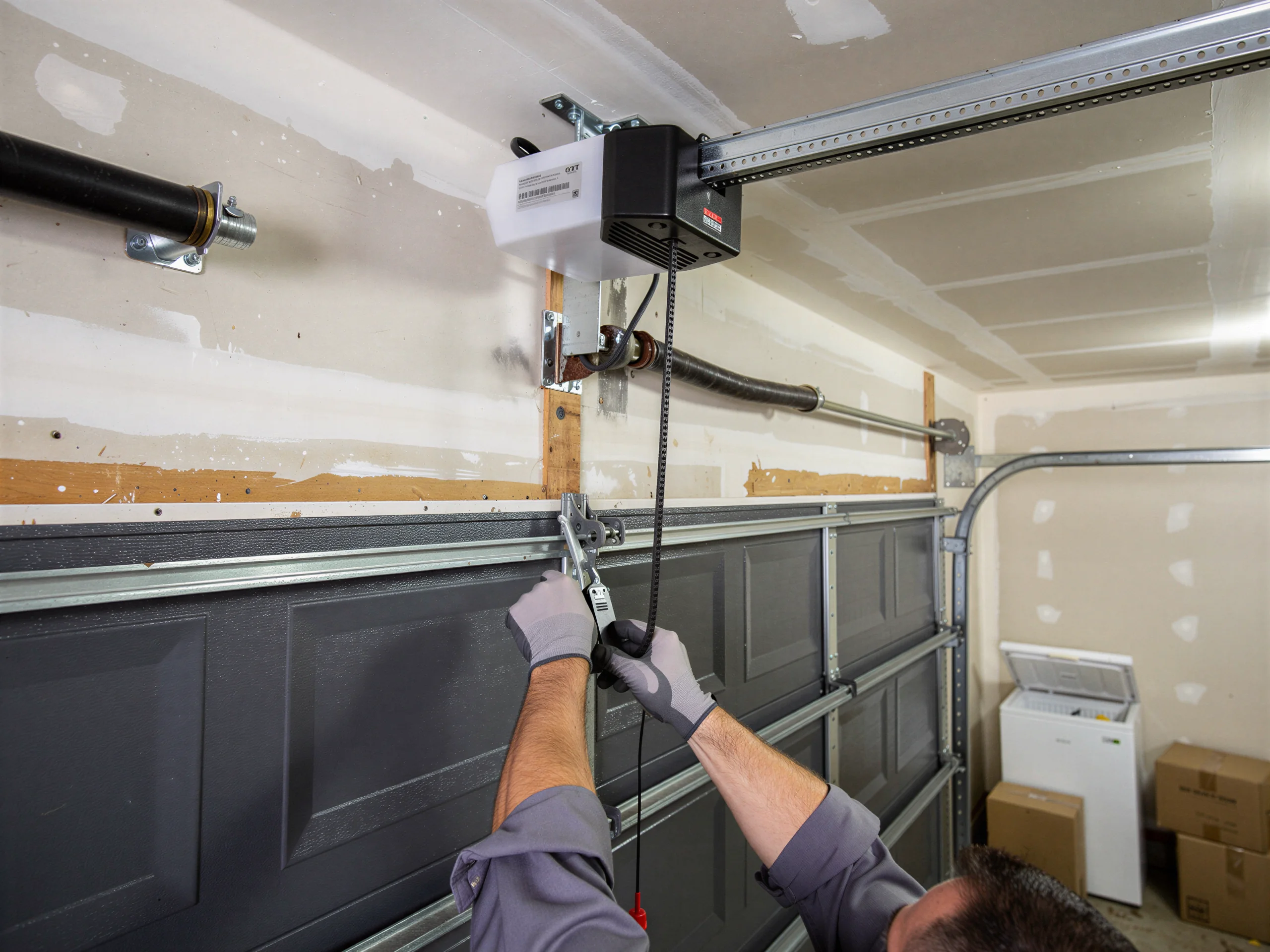
If your house dates to around 2005, the opener is likely original too, and it was matched to the weight of the door that came with the house. Swap in a heavier insulated door and an underpowered opener will strain, run slow, and wear out faster. We'll check the opener's rating against the new door's weight before we install, so you're not stuck replacing it again in a year.
About 16 miles. We don't have a branch in Trinity, so jobs here get scheduled as a trip out from Clearwater rather than a drop-in visit. We factor the drive into how we plan the day, which is why booking ahead gets you a cleaner schedule than a last-minute call.
Usually, yes. Most Trinity homes were built with wider two-car openings, so you're typically looking at a 16-foot double door rather than two single bays. The panels are heavier, the torsion spring setup carries more tension, and the opener needs to be rated for the extra weight - all of which takes more care than a single-bay swap.
Not currently - that's a limitation worth being upfront about. We handle standard steel and insulated steel installs well, including heavier upgrades from builder-grade doors, but if you're after a custom carriage-house style or an unusual material, we'd rather tell you now than quote a job we can't do justice to.
Explore more
Ready when you are
Clearwater Garage Door Pros repairs and installs garage doors, springs and openers in Clearwater, FL and the surrounding area.