Balance check before mounting
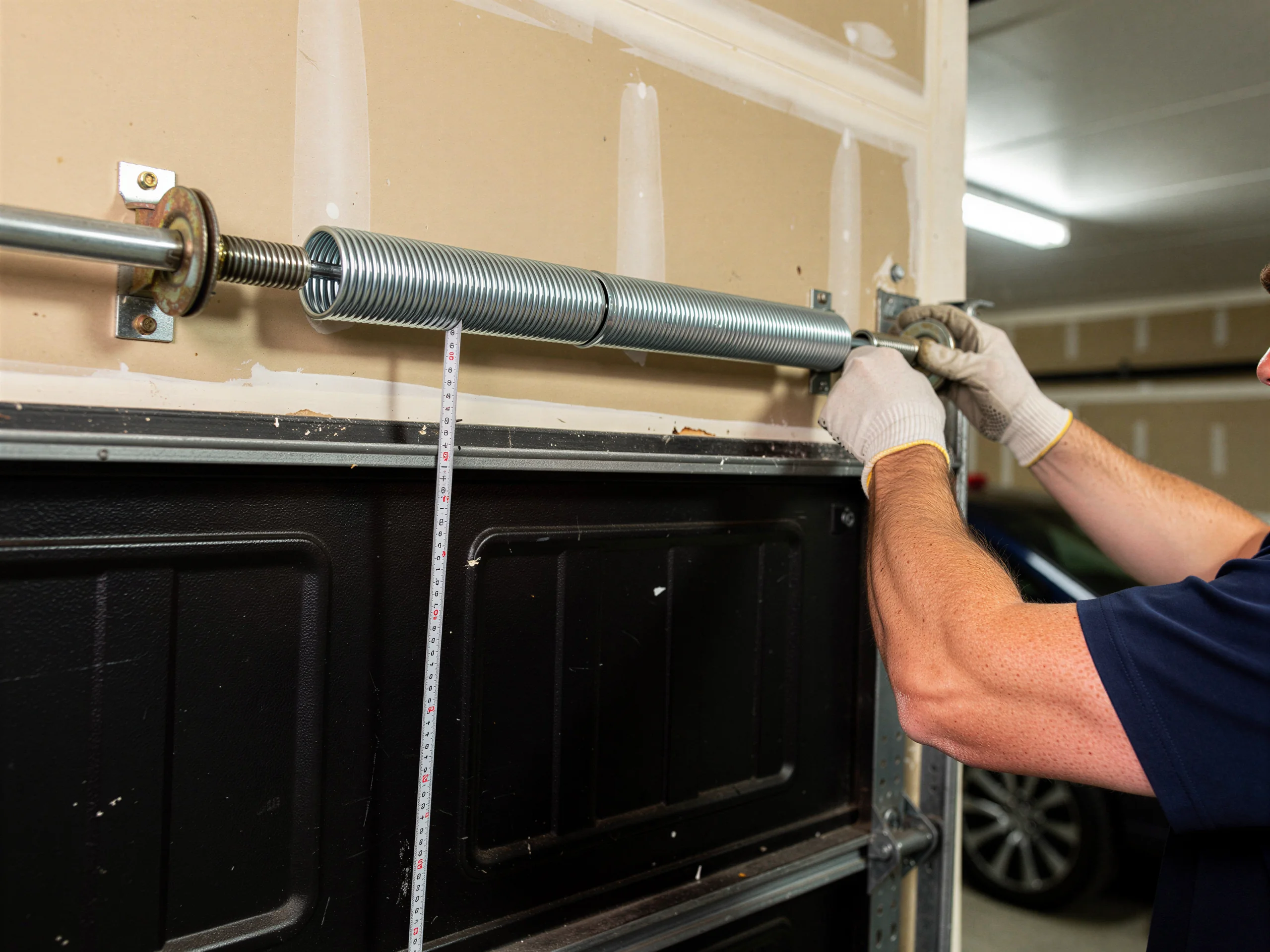
Install a new opener onto a door that isn't properly balanced and you'll burn out the new motor faster than the old one failed. We check balance before we mount anything.
Keystone, Clearwater
Keystone homes built around 1998 came with heavier insulated steel doors and chain-drive openers now past their service life. We install from Clearwater, 14 miles out.
Our process
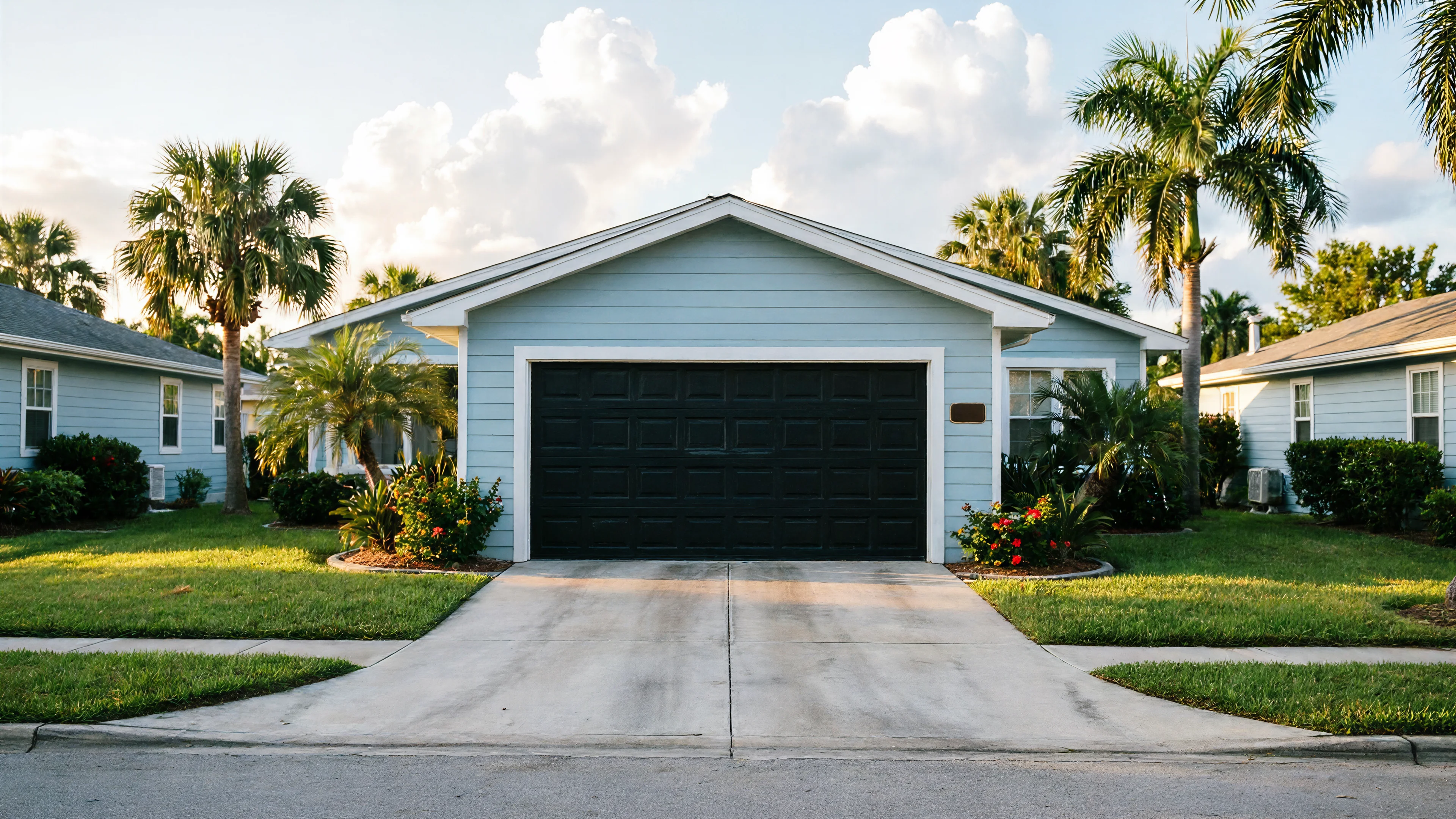
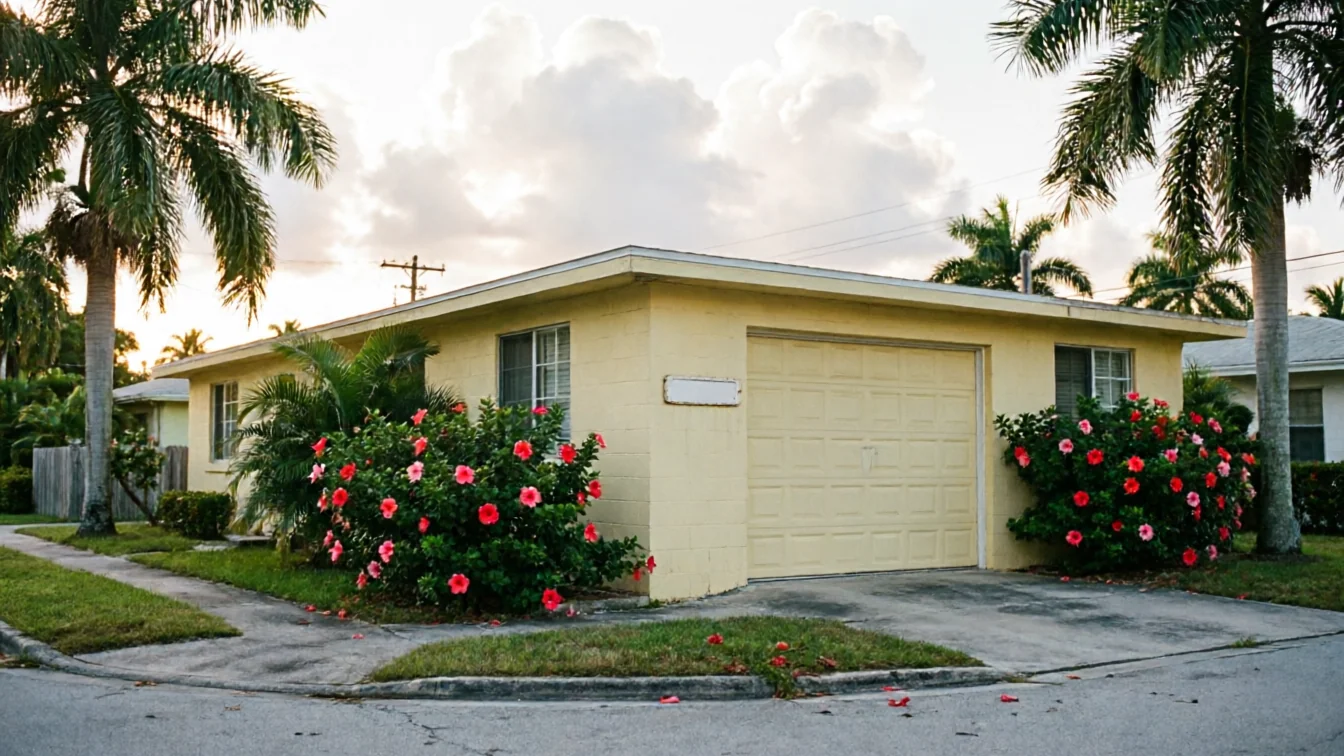
Most garages in Keystone are holding a door that went up around 1998, and that era means a heavier insulated steel sectional, often a wide double door, hung on a chain-drive opener that was mid-grade when it was new.
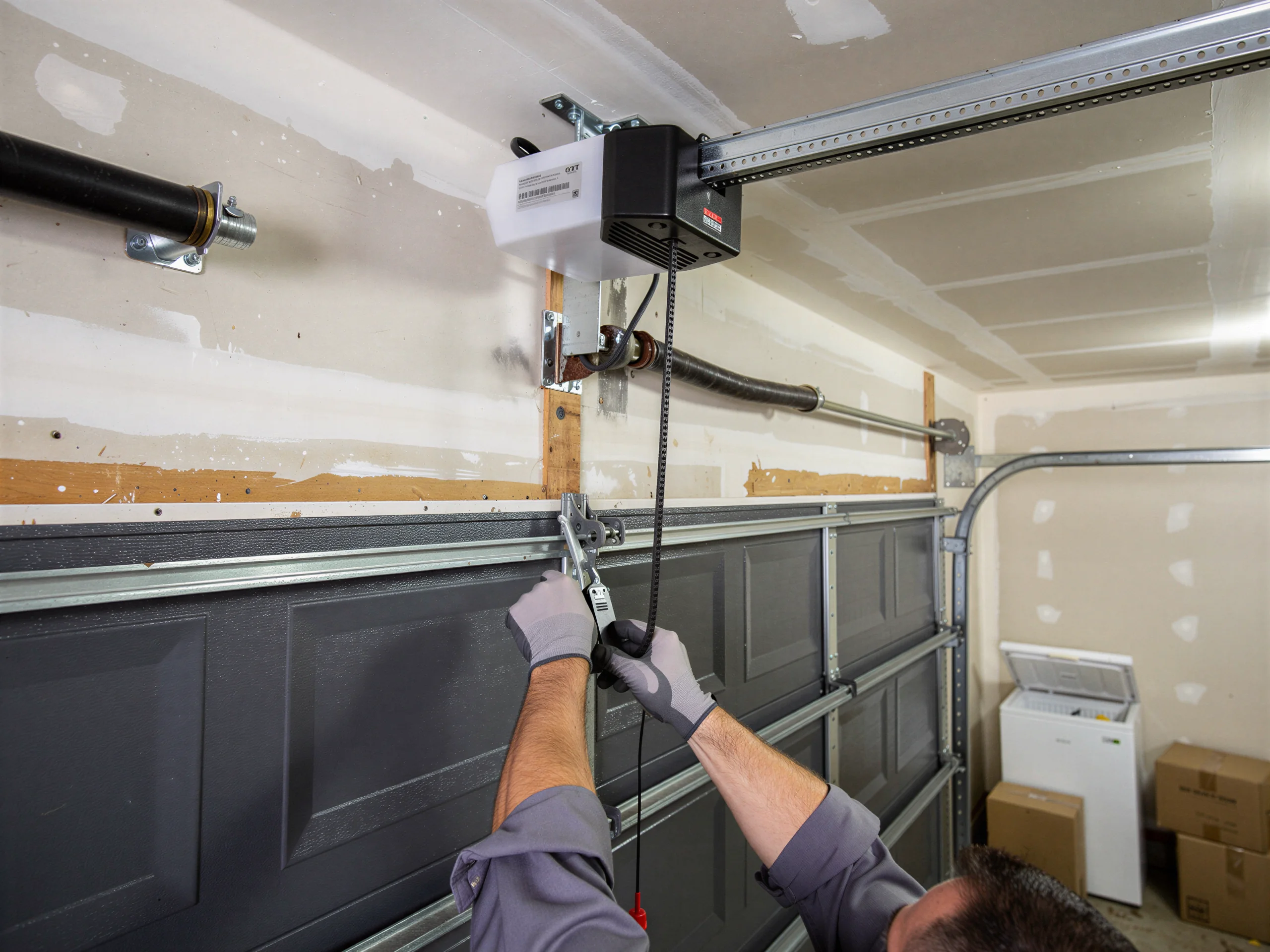
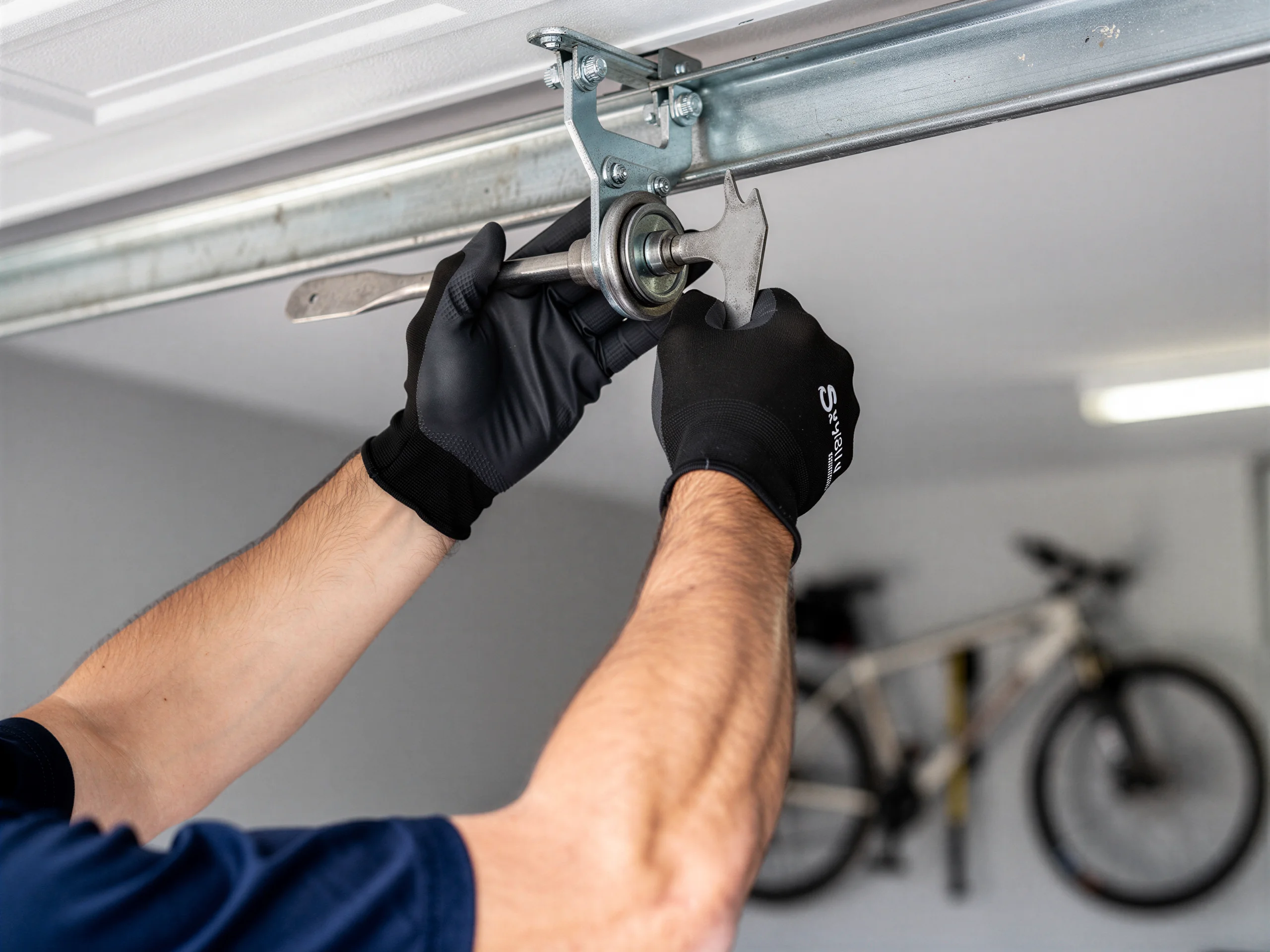
We pull the old opener head, check the rail and trolley for wear that's specific to a door this heavy, and size the new unit to the door's actual weight rather than guessing off the box.
On these larger doors we usually recommend a belt-drive unit with a stronger motor than what builders spec'd in the late '90s, because the original chain units in this area are now 25-plus years old and were never meant to run this long.
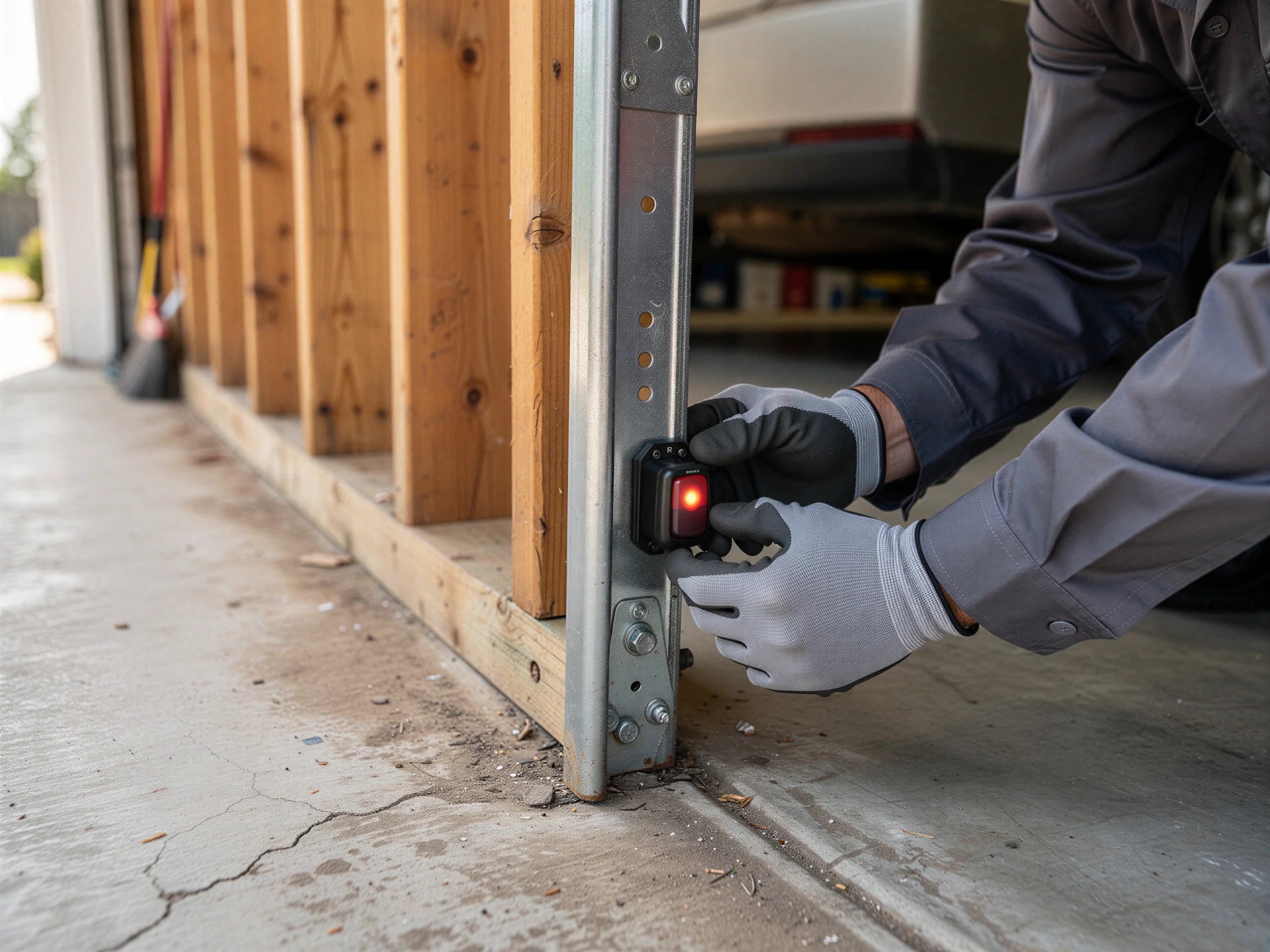
We also check the wall control, the sensors, and the travel limits while we're in there, since swapping only the head unit and leaving worn sensors behind is how a new opener fails in year one. We wire it in, test the force settings against the door's real weight, and confirm the safety reverse works before we leave.
DIY or pro
If you're comfortable with basic electrical work and your door is a single lightweight panel, swapping an opener head is a manageable DIY job. Keystone's problem is that a lot of the doors here are the heavier double-car steel units from the late '90s build-out, and an opener rated for a light door will strain, run hot, or fail to lift correctly on one of these. Getting the force and travel limits wrong on a heavy door is also how people end up with a door that reverses on nothing, or doesn't reverse on an obstruction at all, which is a safety issue, not a convenience one. If you do take it on, confirm the door's actual weight before you buy a unit, not the weight printed on a generic listing.
Watch-outs
On a 1998-era door, the opener usually isn't the first thing to fail - it's the second. The chain stretches, the rail sags slightly, and the opener starts working harder than it should, which homeowners read as the opener being weak when the real issue is the door's springs or hardware having drifted out of balance over 25-plus years.
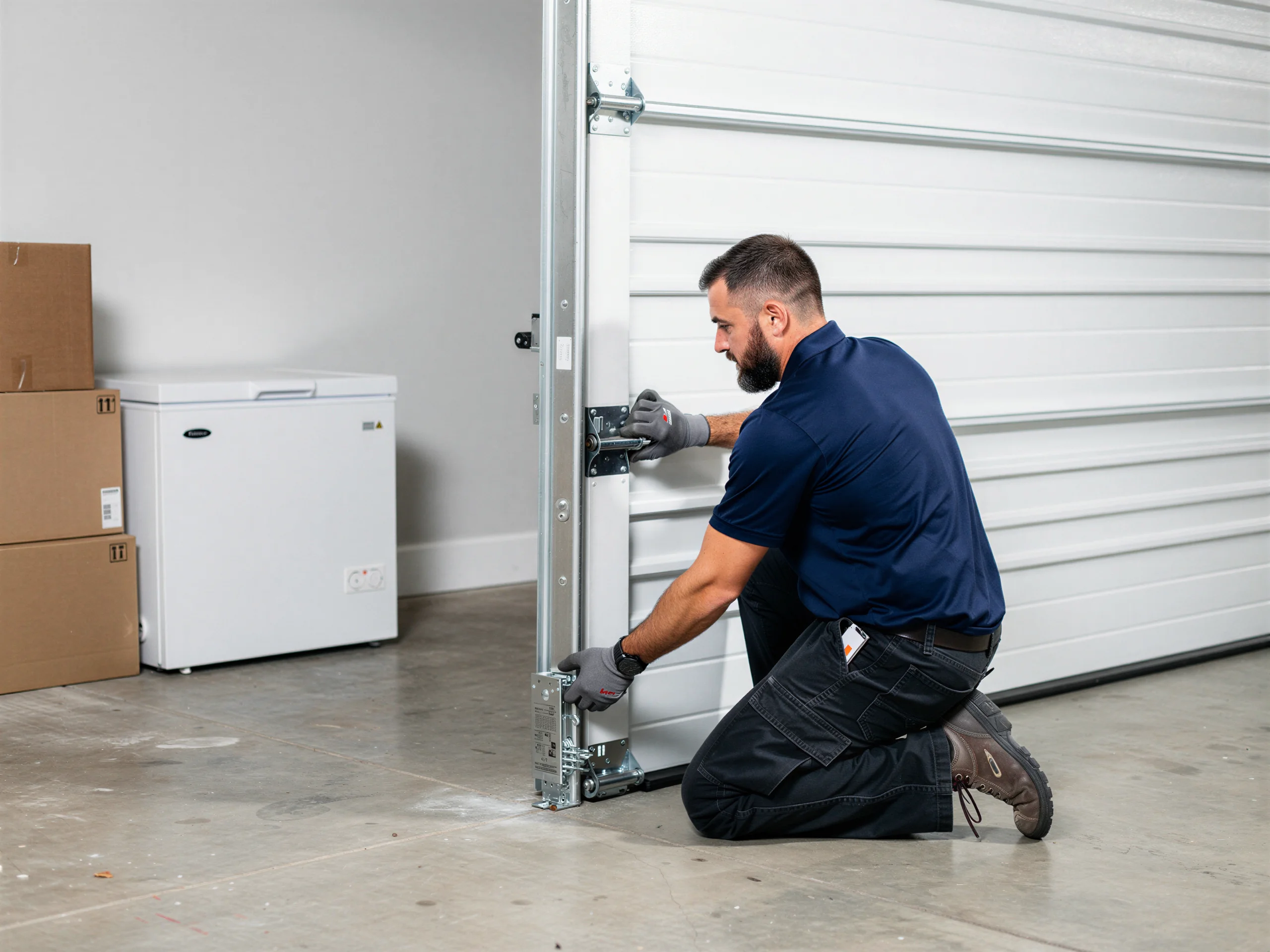
Install a new opener onto a door that isn't properly balanced and you'll burn out the new motor faster than the old one failed. We check balance before we mount anything.
The other common issue on these larger doors is an opener with a drive system that's undersized for the door's weight - fine for five years, then struggling, then dead.
Local causes
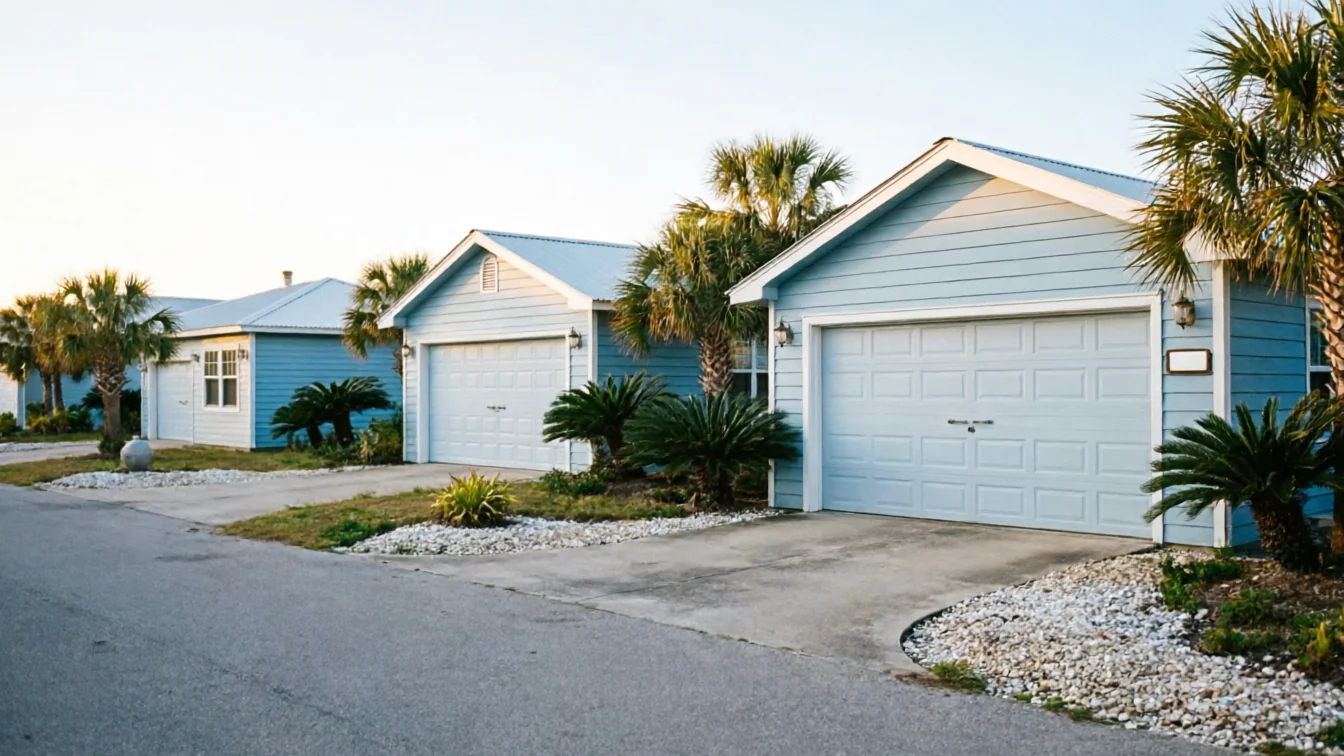
Keystone's housing stock centers on 1998, newer than much of the wider Clearwater service area where the median build year sits around 1979 and a lot of the stock dates to the 1960s and '70s. That later build date means bigger garages, wider doors, and openers that were already a step up from the builder-grade units common on older homes nearby - but it also means those openers are now aging out at the same time, all built within a tight few years of each other. The area's mild, humid coastal climate doesn't freeze anything solid the way a colder region would, but salt-tinged air and summer humidity still work on chain links, bearings, and circuit boards over two and a half decades, which is close to the limit on an original unit.
Symptoms
The door starts hesitating partway up, or the opener motor hums for a second before it catches, or you hear a grinding note from the chain that wasn't there a year ago.
On the bigger doors common in Keystone, people also notice the opener struggling more on cold mornings than it used to, even though winters here are mild - that's usually the motor compensating for a heavier load than it was built to carry long-term, not a weather problem.
If the door drifts down on its own after the opener stops, or the remote works only sometimes, that's the opener's logic board or sensors wearing out, not something you fix by replacing a battery.
Pricing
We don't publish a flat number here because the right opener for a Keystone garage depends on the door's actual weight and width, and the double doors common in this area need a stronger drive unit than a single-car door elsewhere in the service area. What we can tell you: this isn't a job where the cheapest big-box unit is the right call on a heavier late-'90s door, since an undersized motor will burn out faster and you'll pay for the install twice. We give a number after we see the door and check its balance, not before.
Questions
If your home dates to around 1998 like most of Keystone, the opener is likely original or a direct replacement sized the same way, and those units were built for a door that was lighter when its hardware was new. Springs and rollers wear over 25 years, the door gets harder to lift, and the opener takes the strain instead.
No - we run out of Clearwater and come to Keystone for installs, about 14 miles out. We don't keep a branch or stock point in the neighborhood itself, so we schedule the visit and bring what the job needs with us.
If the door panel itself is sound and just out of balance, a new opener matched to its real weight is usually enough. If the panel is dented, the track is bent, or the springs are also failing, replacing the opener alone just delays a bigger job.
No. A door drifting down after the opener stops is almost always a balance or spring issue, not an opener problem. Installing a new opener on an unbalanced door just shortens the new motor's life - we check balance before we recommend anything.
Explore more
Ready when you are
Clearwater Garage Door Pros repairs and installs garage doors, springs and openers in Clearwater, FL and the surrounding area.