Capacitor hums, no lift
On openers from the late '90s build wave common in Keystone, the capacitor also tends to go around the same age, and a motor that hums but won't lift is usually that.
Keystone, Clearwater
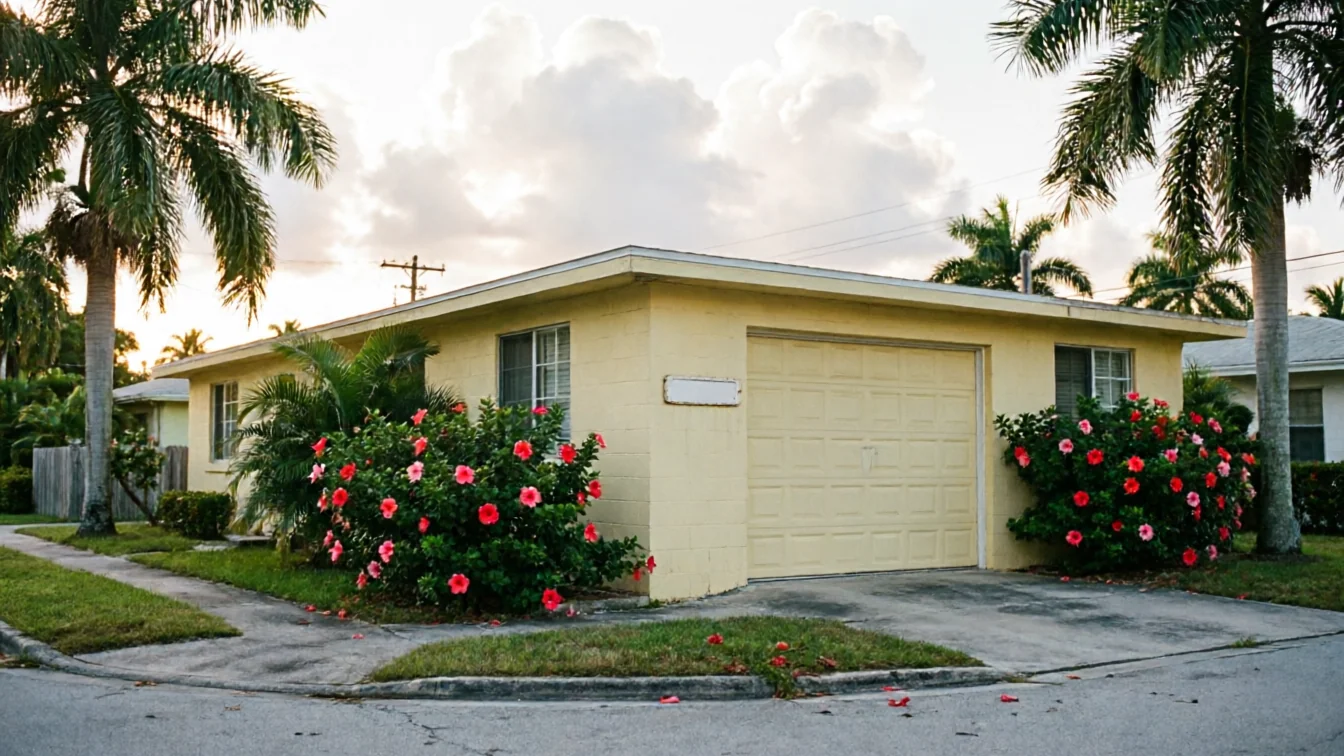
Keystone homes date mostly to 1998, built with early photo-eye and rolling-code openers now reaching 25+ years old. We drive out from Clearwater for the fix.
Our process
We start with the logic board, not the remote, because most Keystone openers date to right around 1998 and that's when the circuit boards in mid-range chain and belt units start failing on their own, independent of the motor.
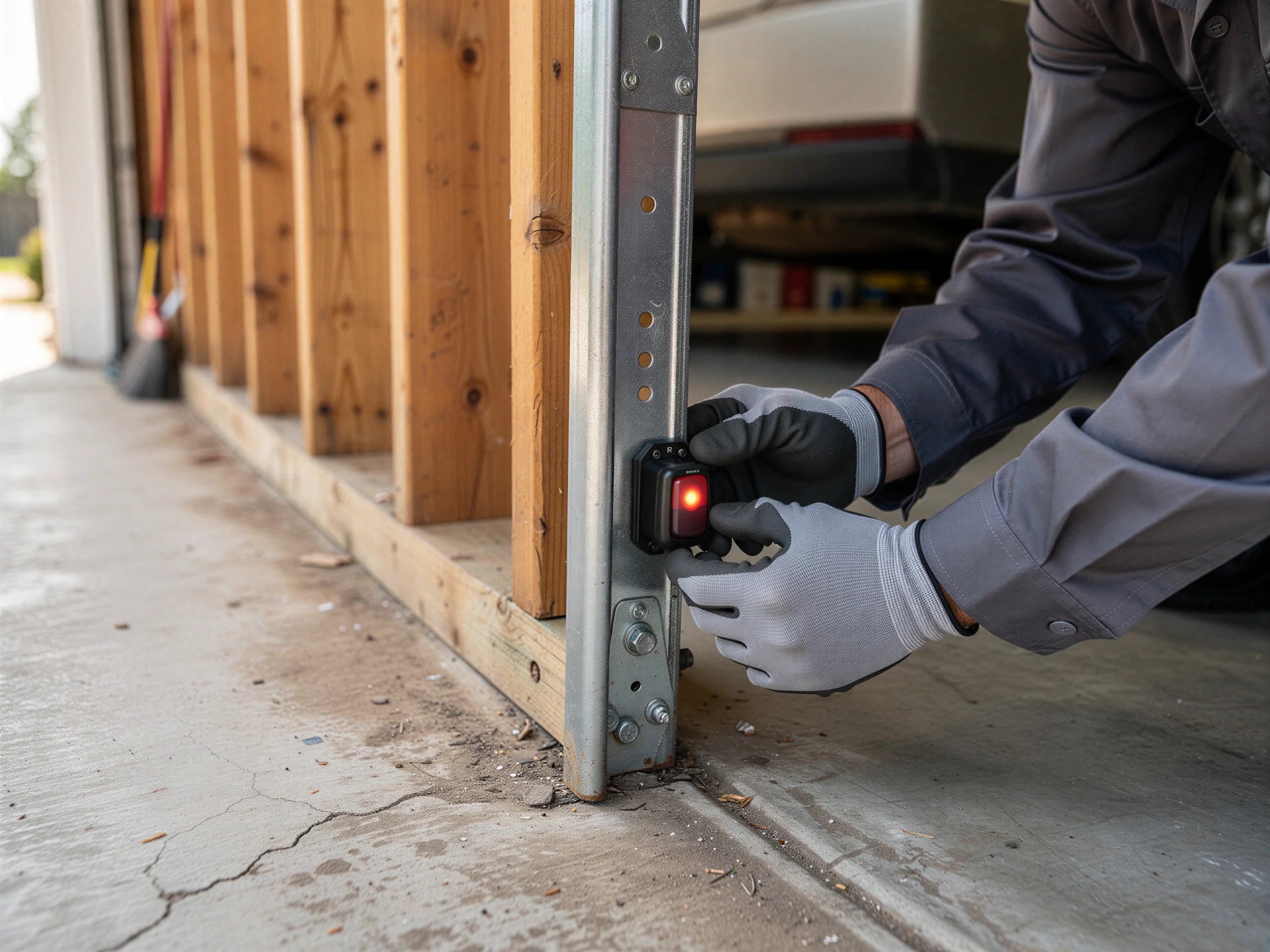
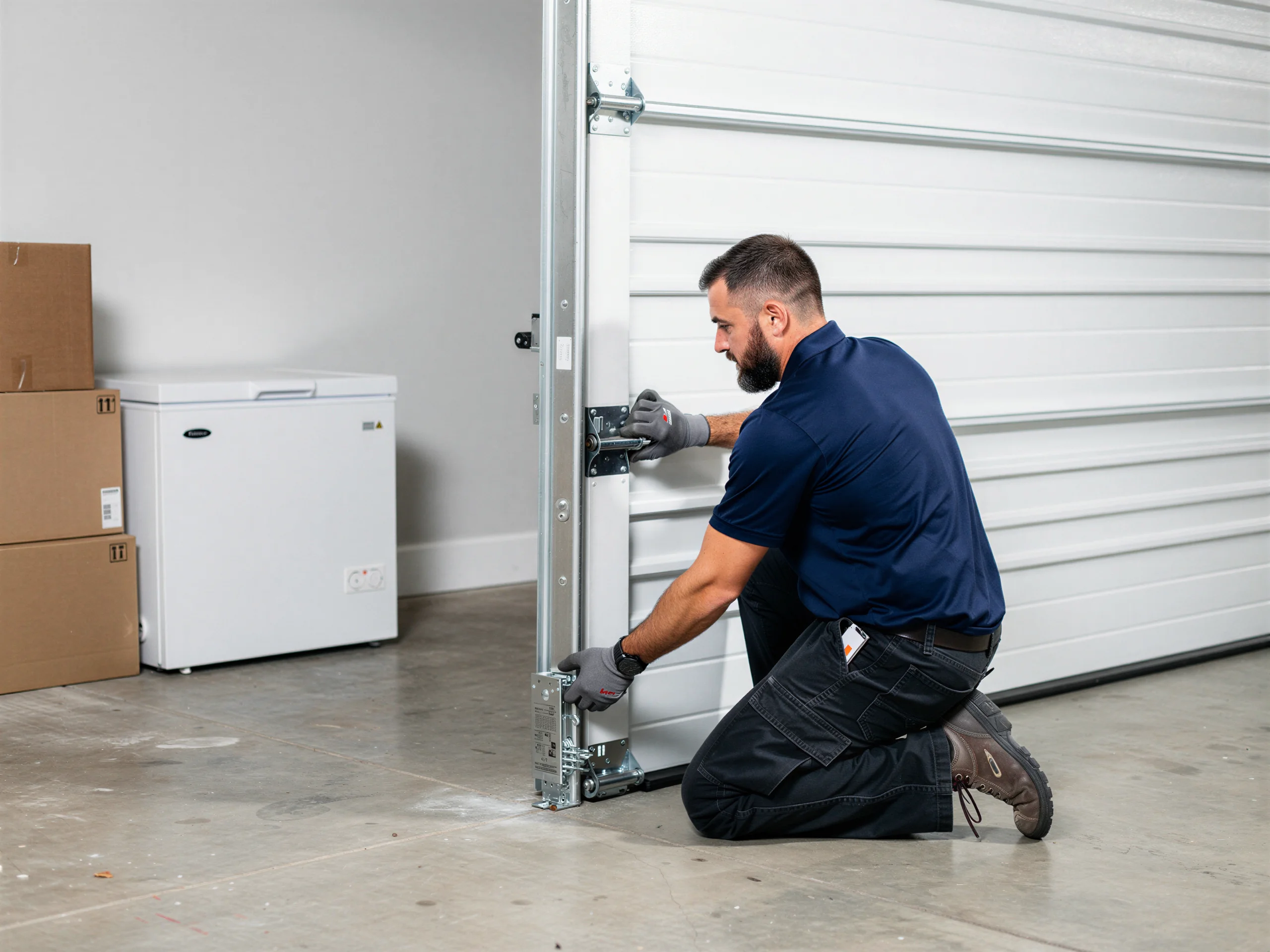
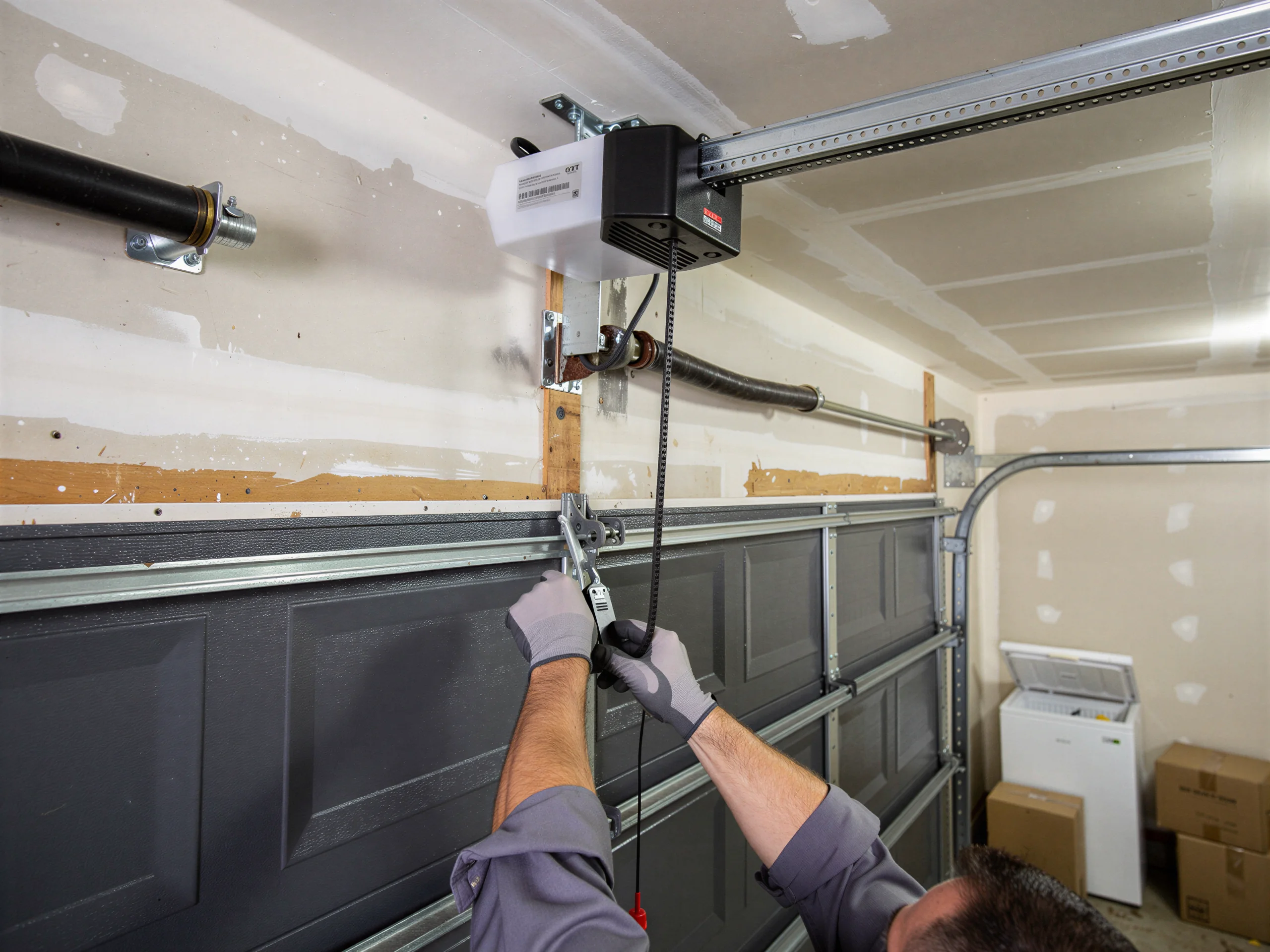
We check the wall button wiring, the photo-eye sensors at the bottom of the track, and the learn button on the back of the unit before we touch the motor itself. If the opener is original to a house built in that late-'90s wave, the gear and sprocket kit inside has usually worn down by now too, and that's a cheaper fix than people expect.
We carry common replacement boards and sensor pairs on the truck, since these units share parts across several brands from that era. If the motor itself is seized or burnt, we'll say so plainly and talk replacement instead of chasing a repair that won't hold.
We don't swap in a bargain unit just to close the job; a $155,365 median household income area tends to want openers with battery backup and smartphone control, and we'll spec that if the old unit is done.
DIY or pro
Replacing a photo-eye sensor or re-learning a remote is within reach for most owners - it's a few screws and a button sequence. Where people get hurt is pulling the opener housing apart to chase a dead motor, because the capacitor inside holds a charge even unplugged. If your opener was installed when the house went up around 1998, the board inside is old enough that generic troubleshooting videos aimed at newer Wi-Fi units won't match your wiring. Check the obvious first: a tripped breaker, a sensor light that's dark or blinking, a wall switch that's lost its backlight. If the door reverses right after touching the floor, or won't move at all but the light comes on, that's a sensor or board issue, not something to force past with a screwdriver.
Watch-outs
The gear and sprocket inside the opener housing is plastic by design - it's meant to strip before it burns out the motor, so a grinding noise with no movement is often that part, not a dead unit.
On openers from the late '90s build wave common in Keystone, the capacitor also tends to go around the same age, and a motor that hums but won't lift is usually that.
Photo-eye sensors knocked out of alignment by a bike or a bumper will stop the door cold as a safety measure, and that's by design, not a fault.
Circuit boards fail from moisture and heat cycling over 25-plus years, and once a board goes, remotes stop pairing and the wall button does nothing. We won't try to resurrect a board that's visibly corroded - that's a replacement call, not a repair.
Local causes
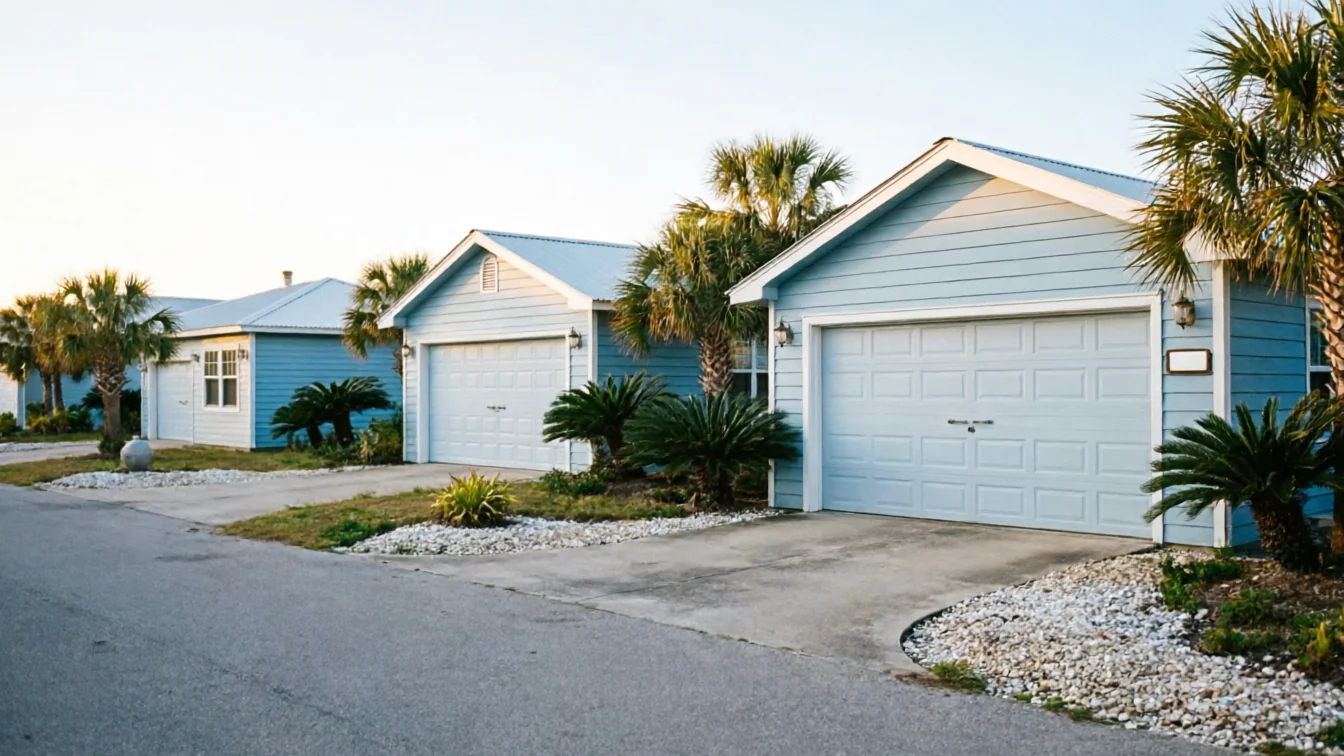
Keystone's housing stock centers on 1998, which puts a lot of openers from that same build wave at the point where plastic gears, motor capacitors, and original circuit boards are simply at the end of their service life - this isn't a climate problem, it's an age problem hitting a lot of houses at once. The mild temperate climate across this part of Florida means these units aren't fighting freeze-thaw cycles or road salt corrosion the way openers do farther north, so when a board or sensor fails here, it's usually wear and heat-cycling rather than storm damage. Garages facing west still take more direct heat through the day, which shortens the life of rubber grommets and sensor gaskets faster than on shaded garages.
Symptoms
The door hums or clicks but doesn't lift, the light blinks a set number of times, or the remote simply stops answering while the wall button still works.
On the late-'90s builds common to this area, we also see openers that run fine going down but stall or reverse partway up - a sign the capacitor or the gear is going, not the whole motor.
If the light bar at the bottom of the track is dark on one side, that's a sensor misalignment or a cut wire, easy to confirm with a quick look before any part gets replaced.
Pricing
We don't have a flat number to post here - opener age, brand, and whether it's a board, sensor, or full motor replacement all move the price, and quoting one figure before seeing the unit would be a guess. What we can say is that Keystone sits about 14 miles from our Clearwater base, so a truck visit for a straightforward sensor or board swap is a reasonable trip, and we'll give you a real number once we've looked at the opener, not before.
Questions
Depends what's failed. A sensor or circuit board swap on an otherwise sound motor is usually worth it. If the motor itself has burned out or the gear housing is cracked, replacement tends to make more sense than chasing parts for a 25-year-old unit piece by piece.
That's often a capacitor losing strength or a worn drive gear inside the housing - both common on openers from the late-1990s build wave. The motor has enough power for gravity-assisted closing but not enough to lift the door's full weight.
No. We're based in Clearwater, about 14 miles out, and drive to Keystone for the job. There's no local branch here, just the truck and the parts on it.
Check the photo-eye alignment first - anything bumping one sensor out of line will stop the door as a safety function, even if the lights look lit. If both sensors are aligned and lit solid, the issue is more likely the board or wall wiring.
Explore more
Ready when you are
Clearwater Garage Door Pros repairs and installs garage doors, springs and openers in Clearwater, FL and the surrounding area.